

What is a Heat Pipe?
A Heat Pipe is an engineered heat-transfer device with exceptionally high thermal conductivity. By utilizing the latent heat of phase change within a vacuum-sealed jacket, a heat pipe can transport large amounts of heat with minimal temperature drop. Known as a “thermal superconductor,” it is widely used in Industrial Waste Heat Recovery, HVAC Energy Saving, and advanced thermal management systems.
DTDX Heat Pipe Classifications:
To meet the stringent requirements of diverse industrial and commercial applications, DTDX offers highly customizable heat pipe heat exchanger solutions classified by multiple dimensions:
By Base Material
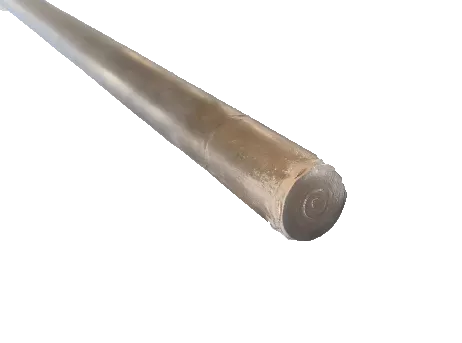
Pure Aluminum (Lightweight & cost-effective)
Copper-Aluminum Composite (High thermal performance)
Steel-Aluminum Composite (Robust & versatile)
Pure Steel (High durability & corrosion resistance)
By Operating Temperature:
Low-Temperature: -40°C to 80°C (Ideal for HVAC and cold chain logistics)
Medium-Temperature: 80°C to 160°C (Perfect for standard industrial heat recovery)
High-Temperature: Above 160°C (For high-temperature flue gas utilization)
By Application Environment
Industrial Energy Saving: High-efficiency waste heat utilization for factories.
HVAC System Energy Conservation: Central air conditioning energy recovery.
By Heat Transfer Dimension
Available in 2D, 3D, 4D, and 5D multi-dimensional spatial heat transfer structures.
DTDX Heat Pipe Exchangers Solutions:
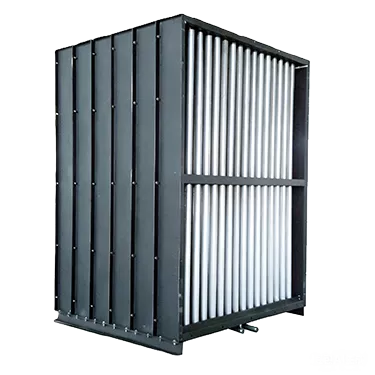
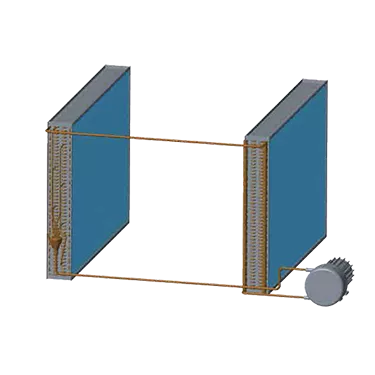
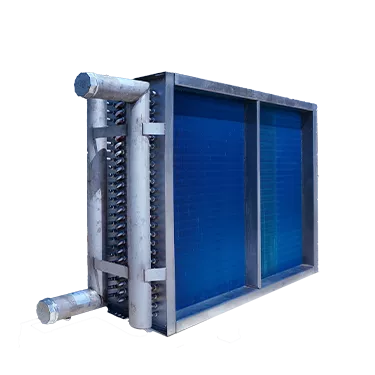
2D Thermosyphon Heat Pipe Heat Exchanger
Wide material compatibility, low air resistance, non-clogging, high efficiency in low-temperature differences.
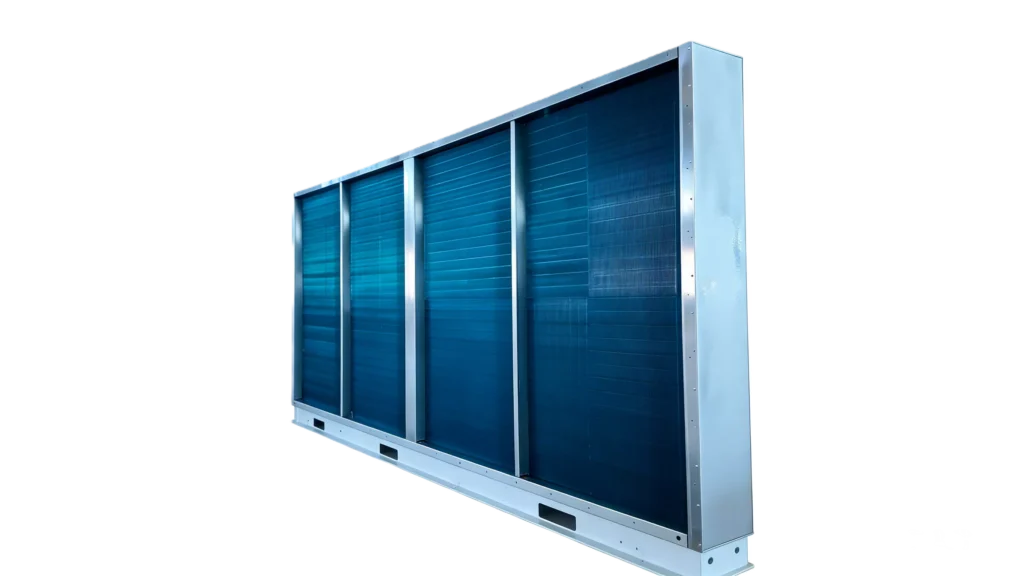
3D Capillary Heat Pipe Heat Exchanger
High heat transfer efficiency (60%–80%), supports both vertical and horizontal mounting.

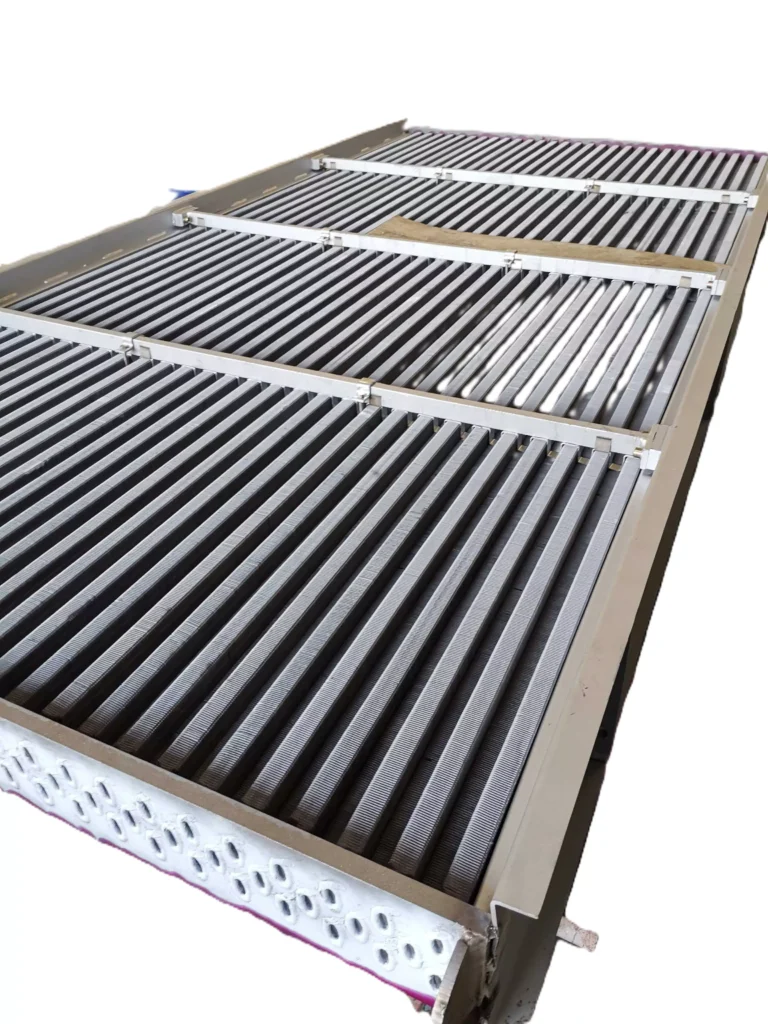
4D Reversible Heat Pipe Heat Exchanger
Ideal for HVAC end-unit retrofitting, 100% air-to-air isolation, zero cross-contamination.
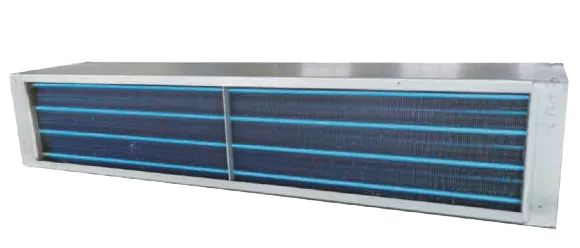
5D Heat Recovery Pipe Exchanger
Industry-leading efficiency (Summer recovery ≥65%, Winter recovery ≥78%), perfect for space-constrained installations.
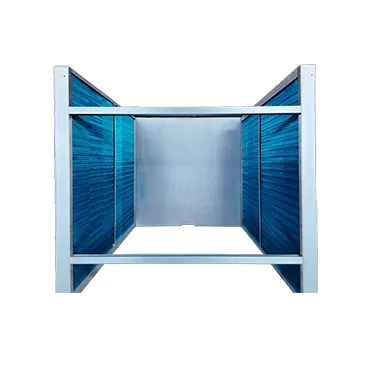
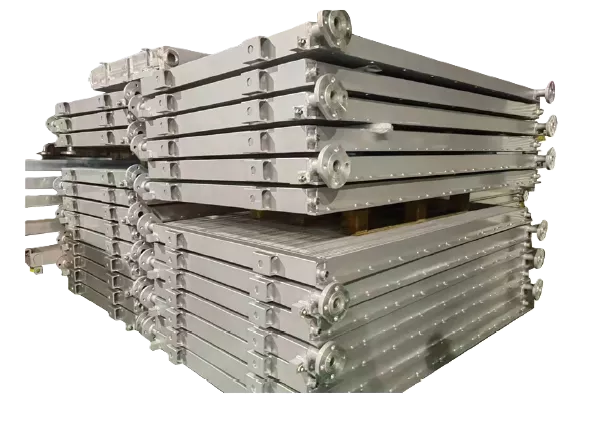
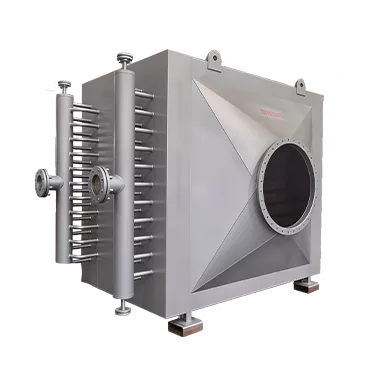
Why Choose DTDX Heat Pipe?
Proven Reliability
100+ Benchmark Projects: Beijing Daxing Airport, Winter Olympic Venues, PUMC Hospital, Sinopec.
Massive Scale: 500+ units installed in a single project (Beijing Sub-center).
Customization & Support
Rapid Delivery: Standard: 15–20 days; Custom: 30–45 days.
Technical Design: Free thermal calculation, energy assessment, & non-standard customization.
Full-Spectrum Thermal Solutions
Full Range: 2D to 5D Heat Pipes, U-shape Dehumidification, Split, & Glycol Systems.
Versatile: Operating range -40°C to 160°C; adaptable for horizontal, vertical, or tilted installs.
Engineering-Grade Quality
Certified Quality: ISO 9001/14001, National High-Tech Enterprise, verified by National HVAC Inspection Center.
Expert R&D: Established in 2006, 20+ patents, dedicated to thermal innovation.
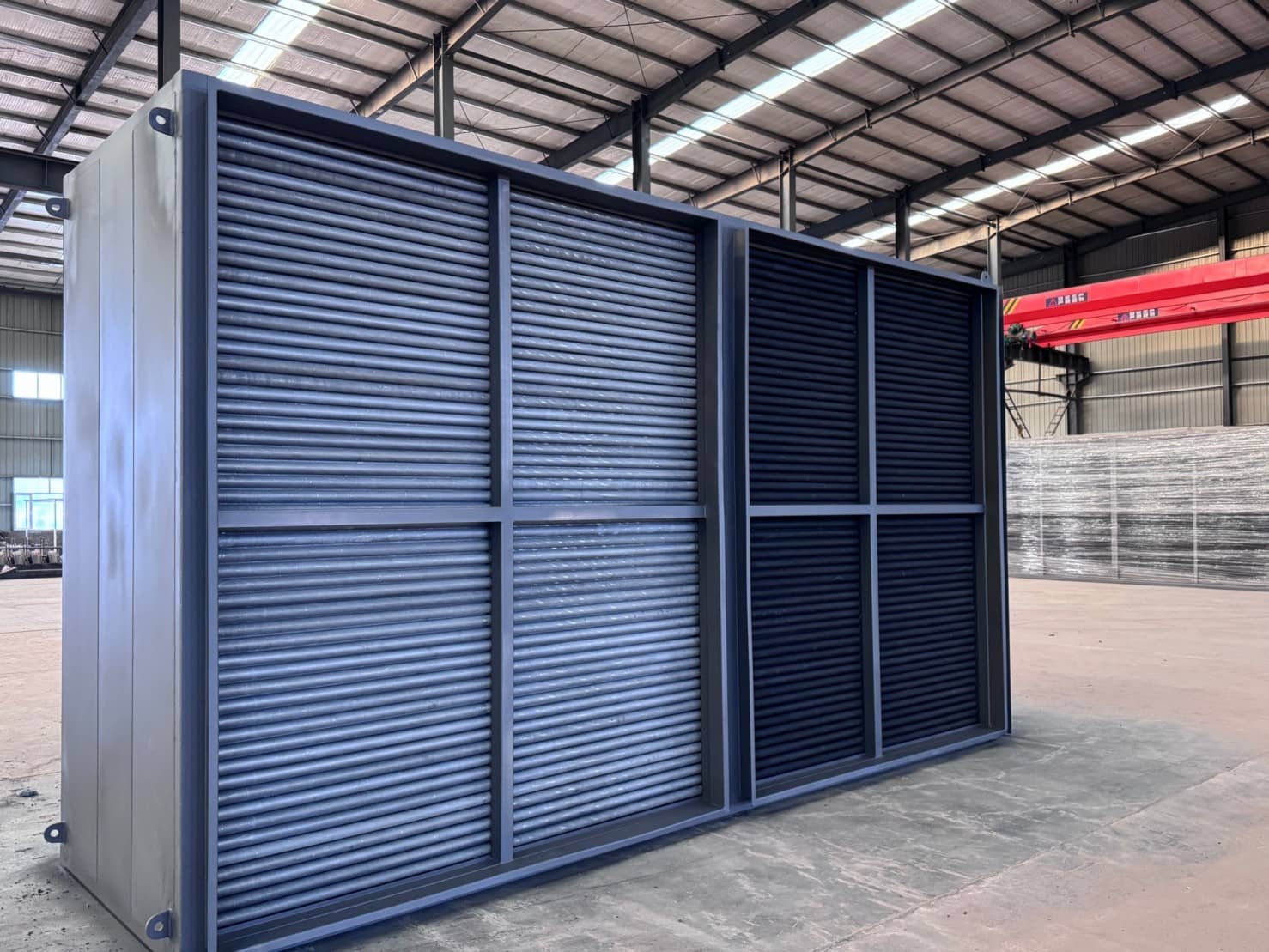
DTDX Heat Pipe Exchanger Advantages
- Zero Energy Consumption: Passive transfer technology; no moving parts, no extra power required.
- 100% Air Isolation: Physical barrier ensures zero cross-contamination between fresh and exhaust air.
- 60%–80% Thermal Efficiency: Verified high-performance heat recovery for maximum energy savings.
- Flexible Installation: Horizontal, vertical, or tilted mounting; split units support distances up to 30m.
- 10+ Year Lifespan: Robust, maintenance-free design engineered for long-term durability.
- Custom-Engineered Solutions: Flexible design options (materials, dimensions, capacity) to meet specific site needs.
- 6–18 Month Payback: Quantifiable energy savings that ensure a fast return on your investment.
Heat Pipe Structure & Working Principles
Components & Sections
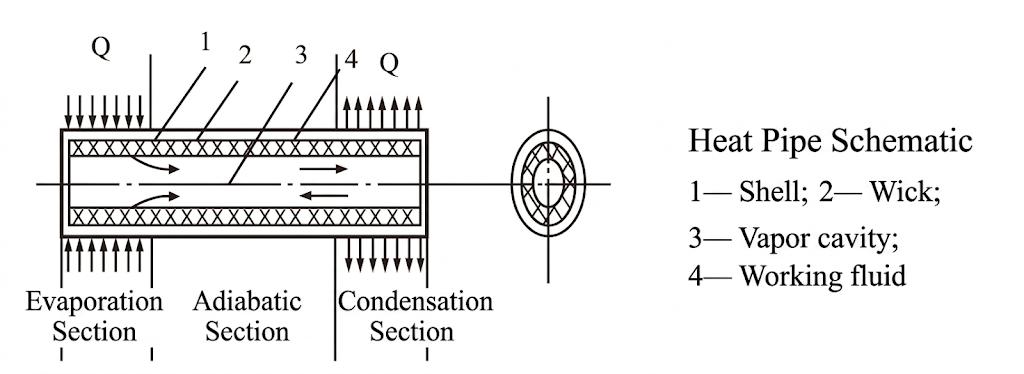
A standard DTDX heat pipe consists of three parts:
the main body is a sealed metal tube (Shell), the internal cavity contains a small amount of working medium (Working Fluid) and capillary structure (Wick Structure), and air and other impurities inside the tube must be expelled.
Axially, it is divided into three distinct zones: the Evaporation Section, the Adiabatic Section, and the Condensation Section.
Working Principles of Heat Pipes
Heat Pipes Utilize Three Physical Principles to Operate:
- Vacuum Boiling Point Reduction: In a vacuum, the boiling point of the working fluid drops significantly, enabling rapid phase change even under minor temperature differences.
- High Latent Heat of Vaporization: The latent heat of the fluid is vastly higher than its sensible heat, multiplying heat transfer efficiency.
- Capillary Action: The porous wick structure generates capillary force to drive the liquid back against gravity.
Whether placed horizontally or operating as a gravity-driven Thermosyphon, the heat transfer process follows this continuous, closed-loop cycle:
- Heat Enters: External heat from the waste source is conducted through the shell into the evaporation section.
- Evaporation: The working fluid in the wick absorbs the latent heat and rapidly vaporizes into gas.
- Vapor Flow: Driven by a subtle pressure differential, the high-velocity vapor flows through the adiabatic section toward the cooler end.
- Vapor Condenses: Arriving at the condensation section, the vapor releases its latent heat to the external cold medium and condenses back into liquid.
- Liquid Return: The condensed liquid flows back to the evaporation section along the channels via Gravity or Capillary Action.
- Dissipation: The heat is successfully dissipated into the target system, completes one cycle, and prepares for the next.
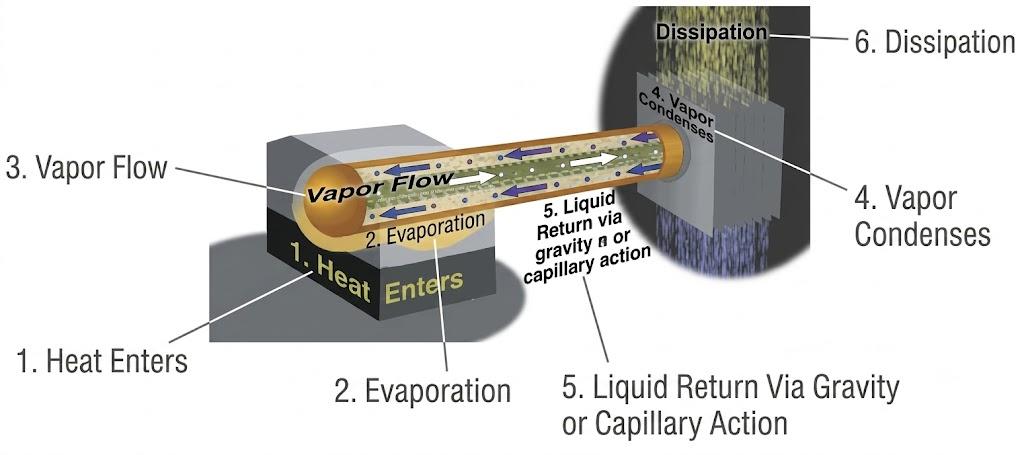
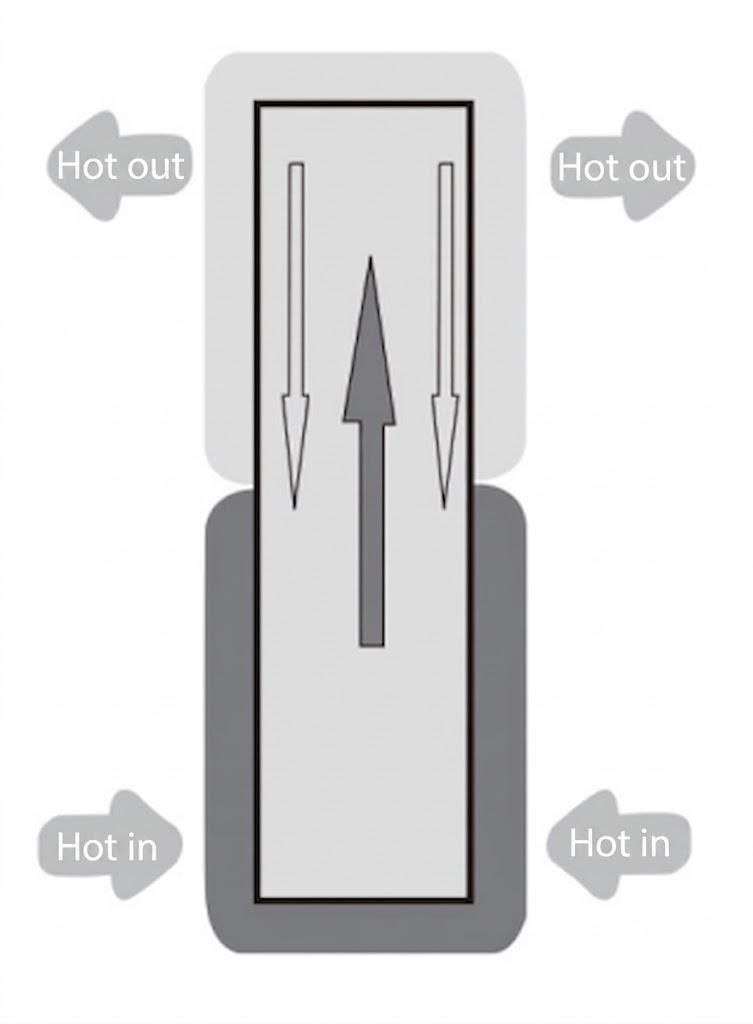
Gravity Heat Pipe Working Principle
A simple heat pipe consists of an empty tube partially filled with liquid.
Using the latent heat of the liquid, the heat pipe can rapidly transfer large amounts of heat from the hot end to the cold end.
The Evolution of Heat Pipe Technology
1942 | Theoretical Genesis
The fundamental principle of the heat pipe was first proposed by an American engineer, laying the groundwork for phase-change thermal science.
Early 1960s | Aerospace & Nuclear Era
The technology entered prototyping and was initially deployed in high-stakes Aerospace spacecraft and Nuclear Reactors for critical cooling.
1970s | Introduction to HVAC
Heat pipes made their commercial debut as high-efficiency thermal energy recovery devices within the HVAC industry.
1980s | Structural Innovation
R&D accelerated globally. Advanced configurations such as Loop Heat Pipes and Split Heat Pipes emerged, and equipment became increasingly large-scale.
Recent Years | The Champion of Waste Heat Recovery
The global push for green manufacturing has made heat pipe heat exchangers a standout solution in Waste Heat Utilization, especially for low-to-medium temperature exhausts. New applications have also emerged in Energy Storage Technology.
Today & Future | Global Multi-Industry Penetration
Driven by modern energy demands and global Carbon Neutrality goals, DTDX heat pipe technology is penetrating deeply into diverse industries—including aerospace, solar energy, electronics cooling, metallurgy, construction materials, and chemical processing—playing an indispensable role in global energy reduction.
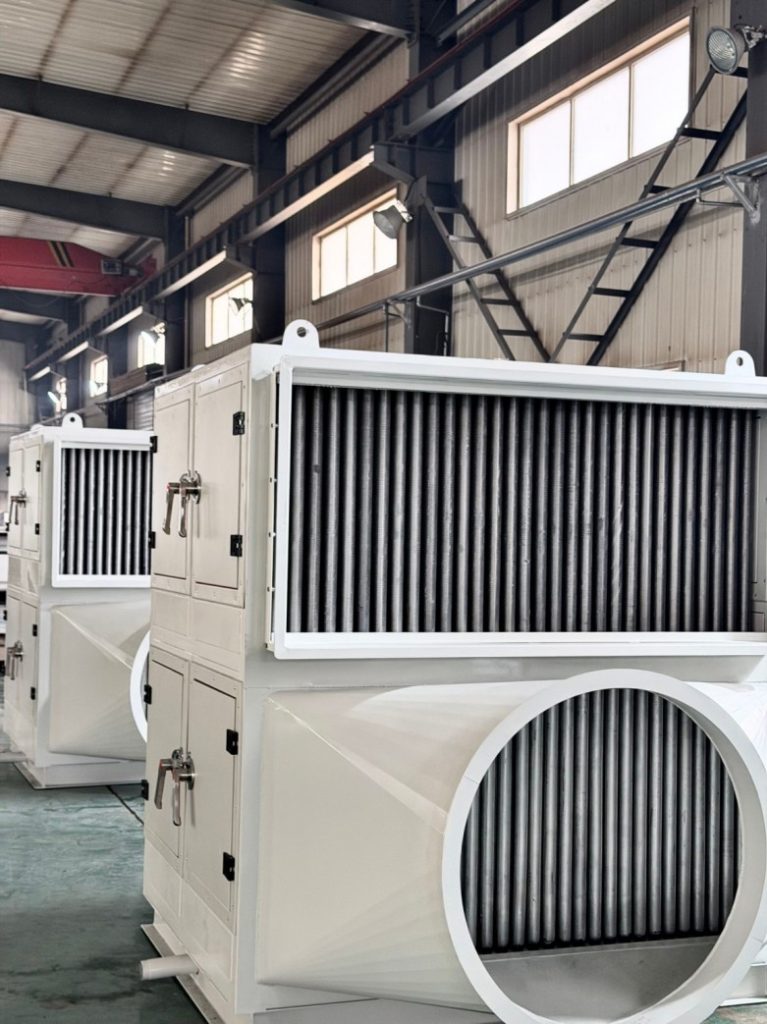
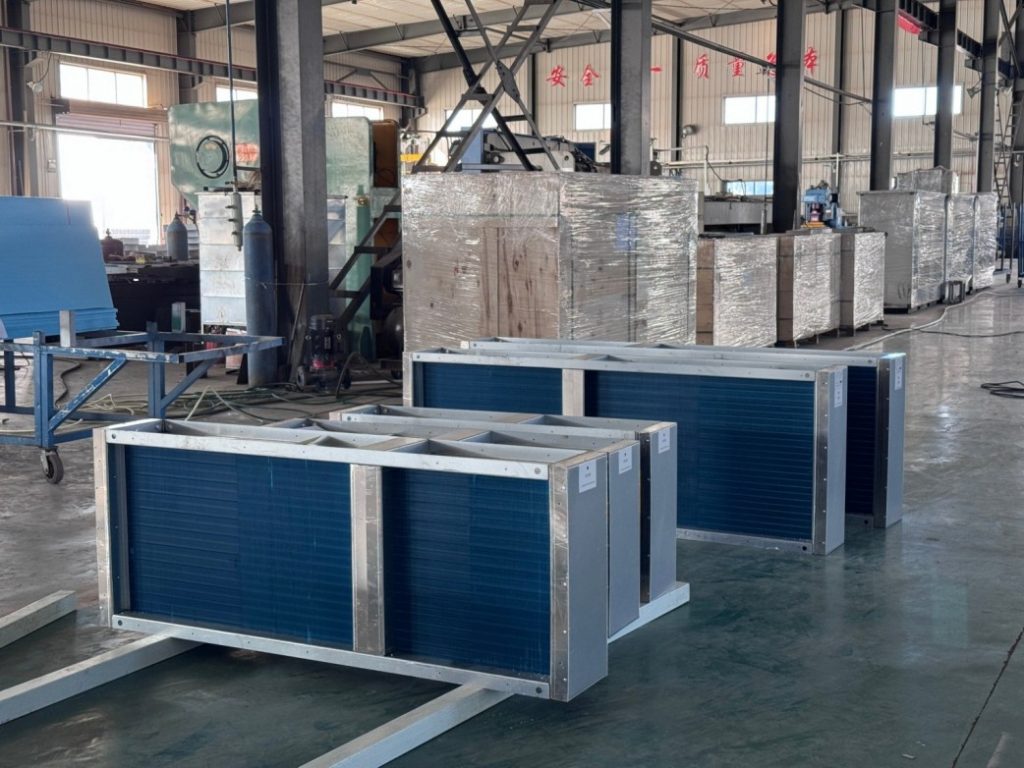
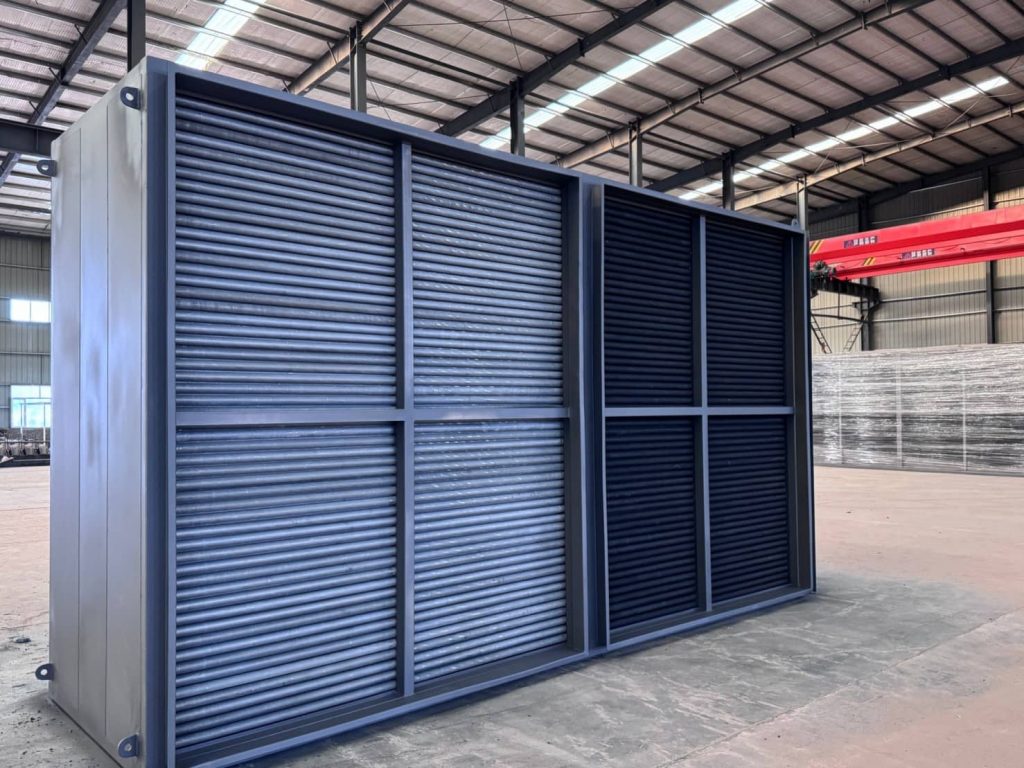
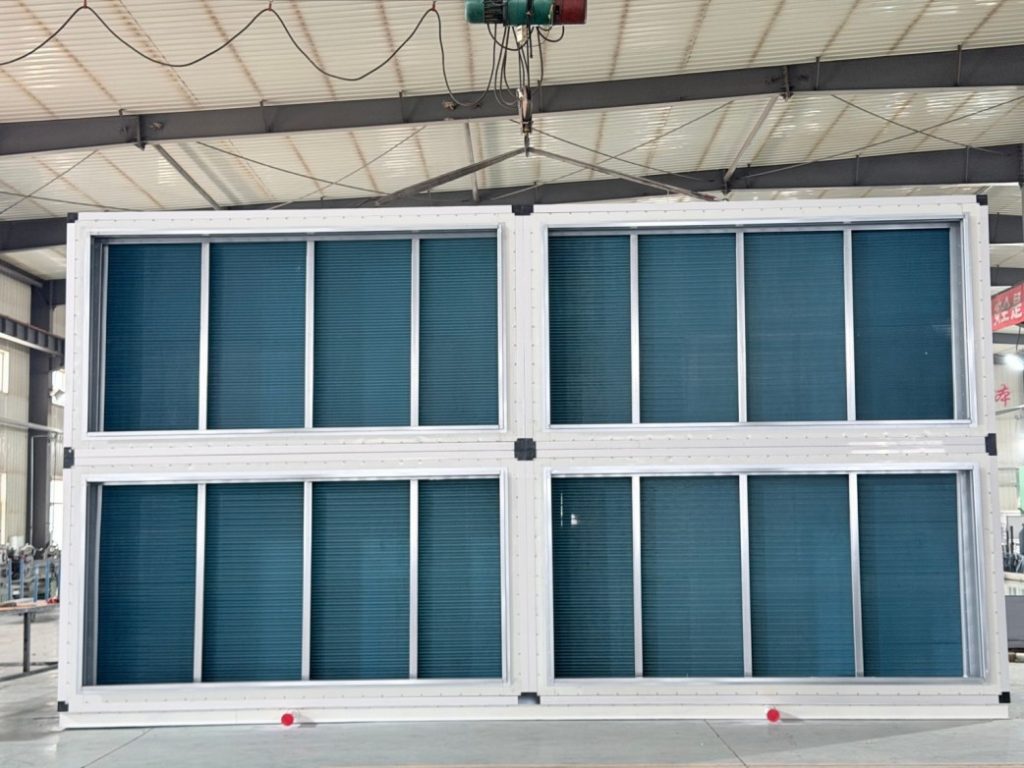
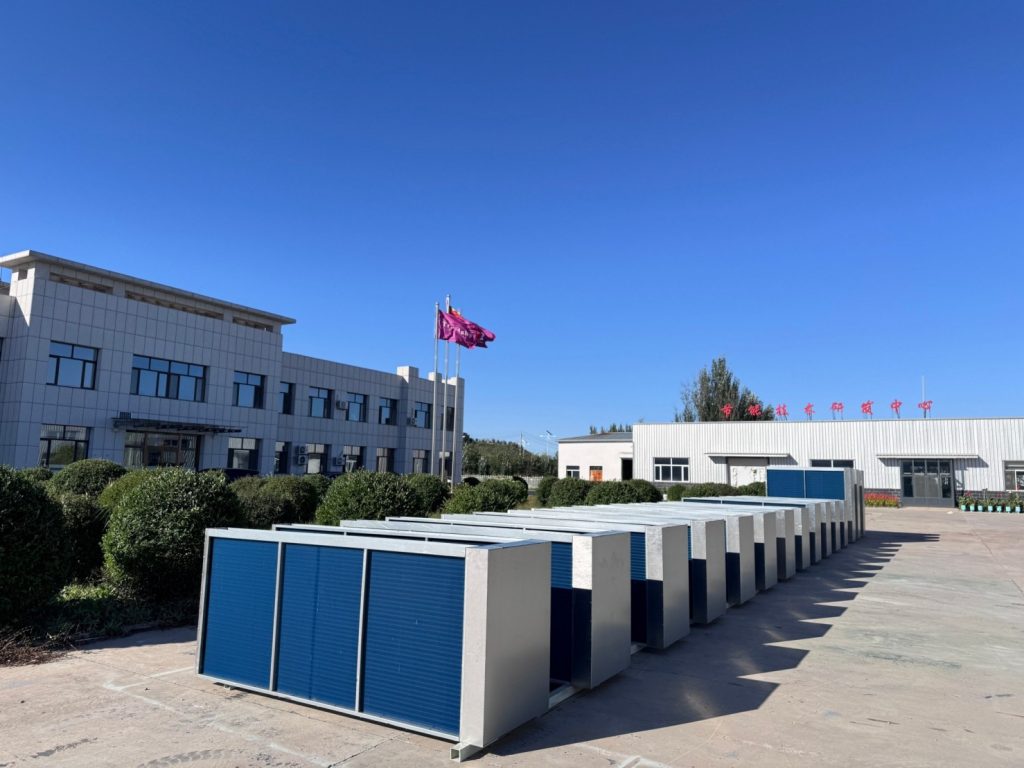
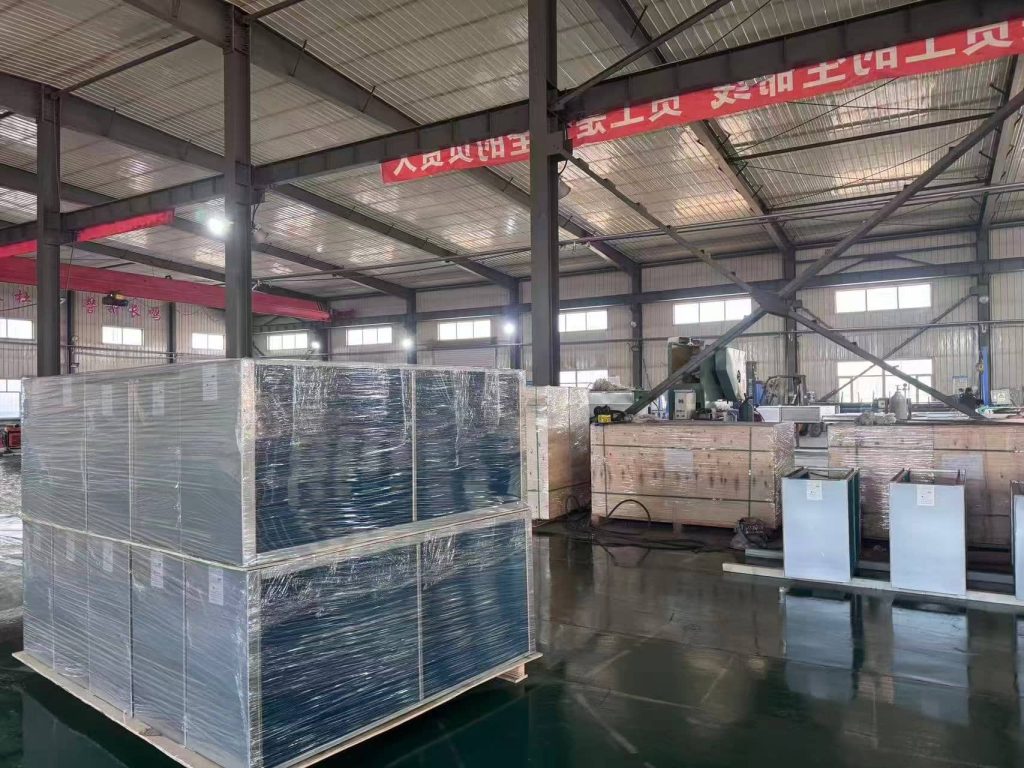
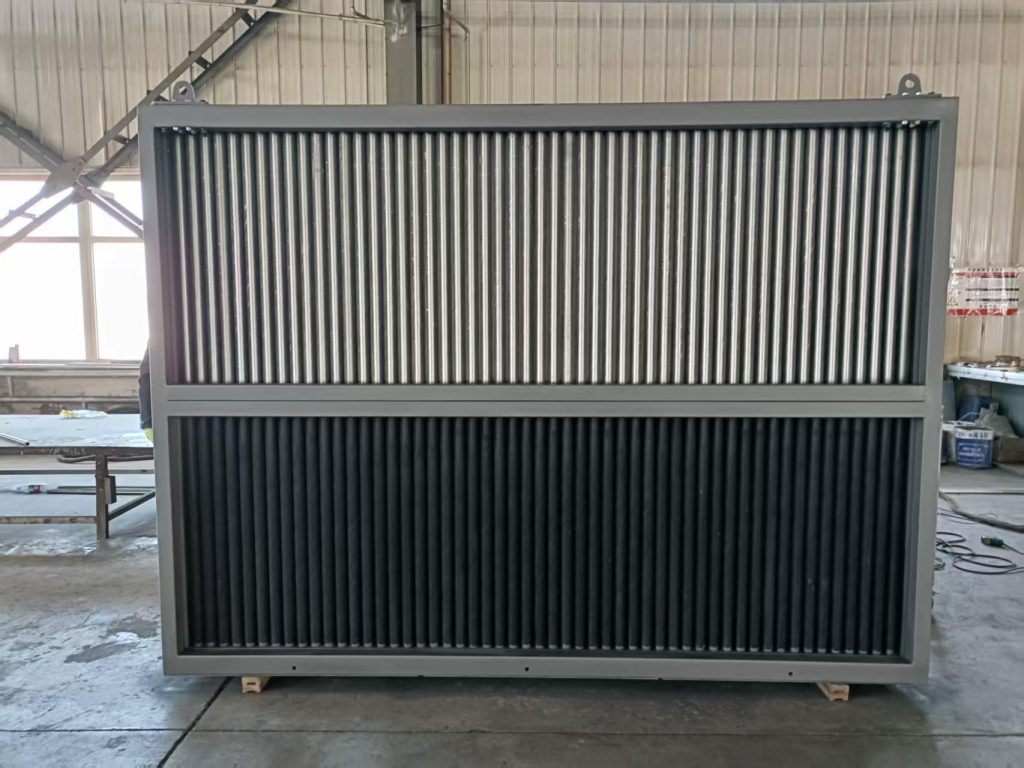
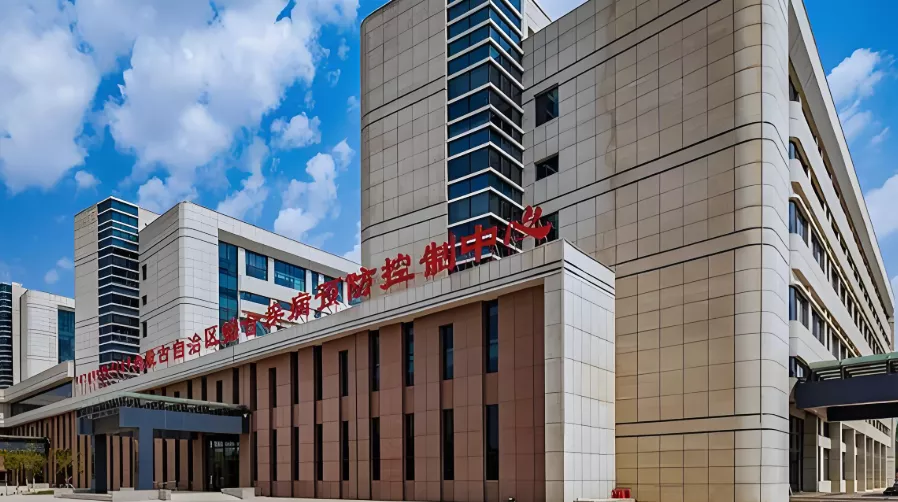
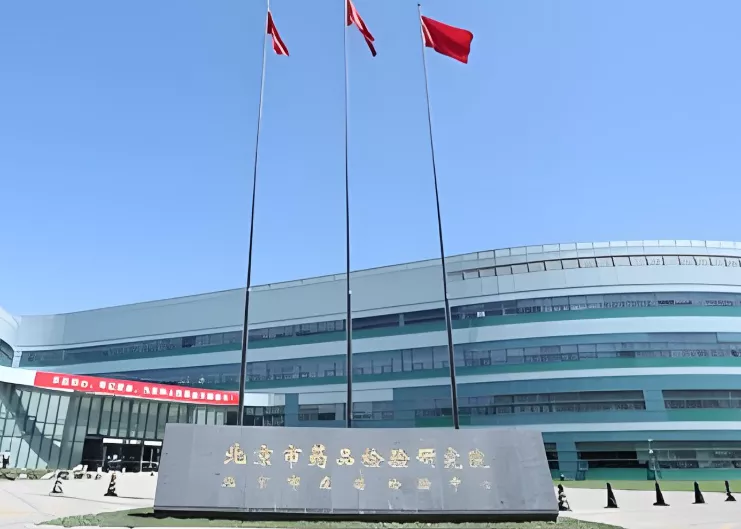
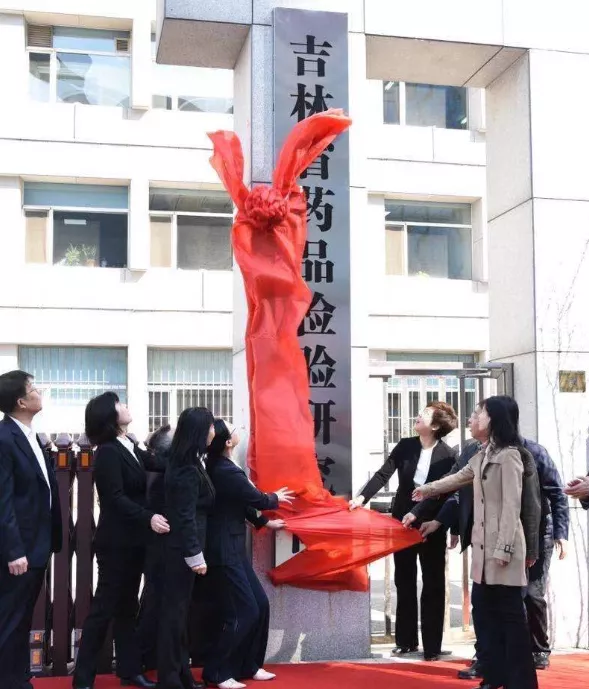
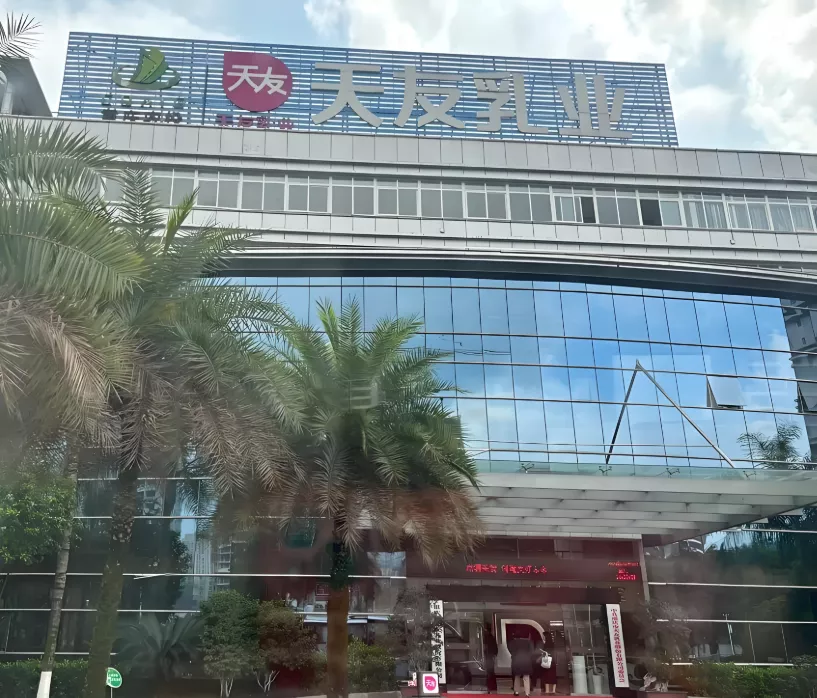
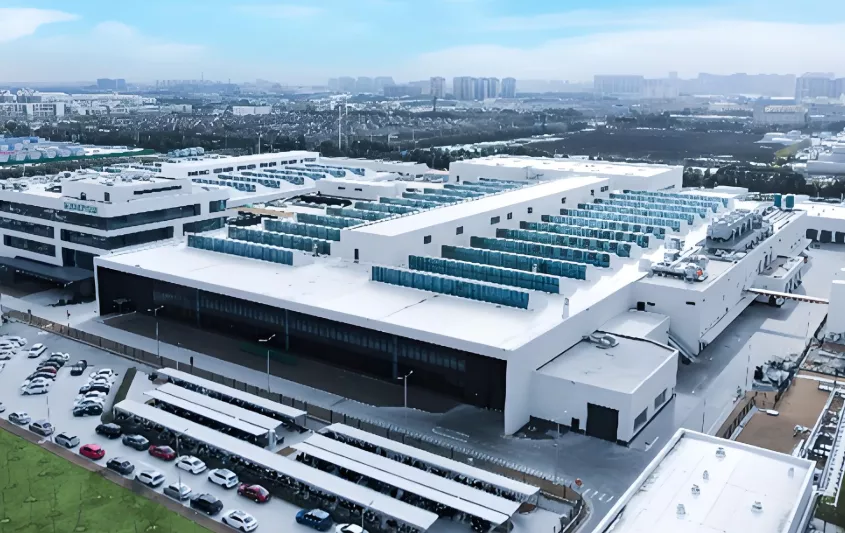
DTDX Heat Pipe Heat Exchanger Projects
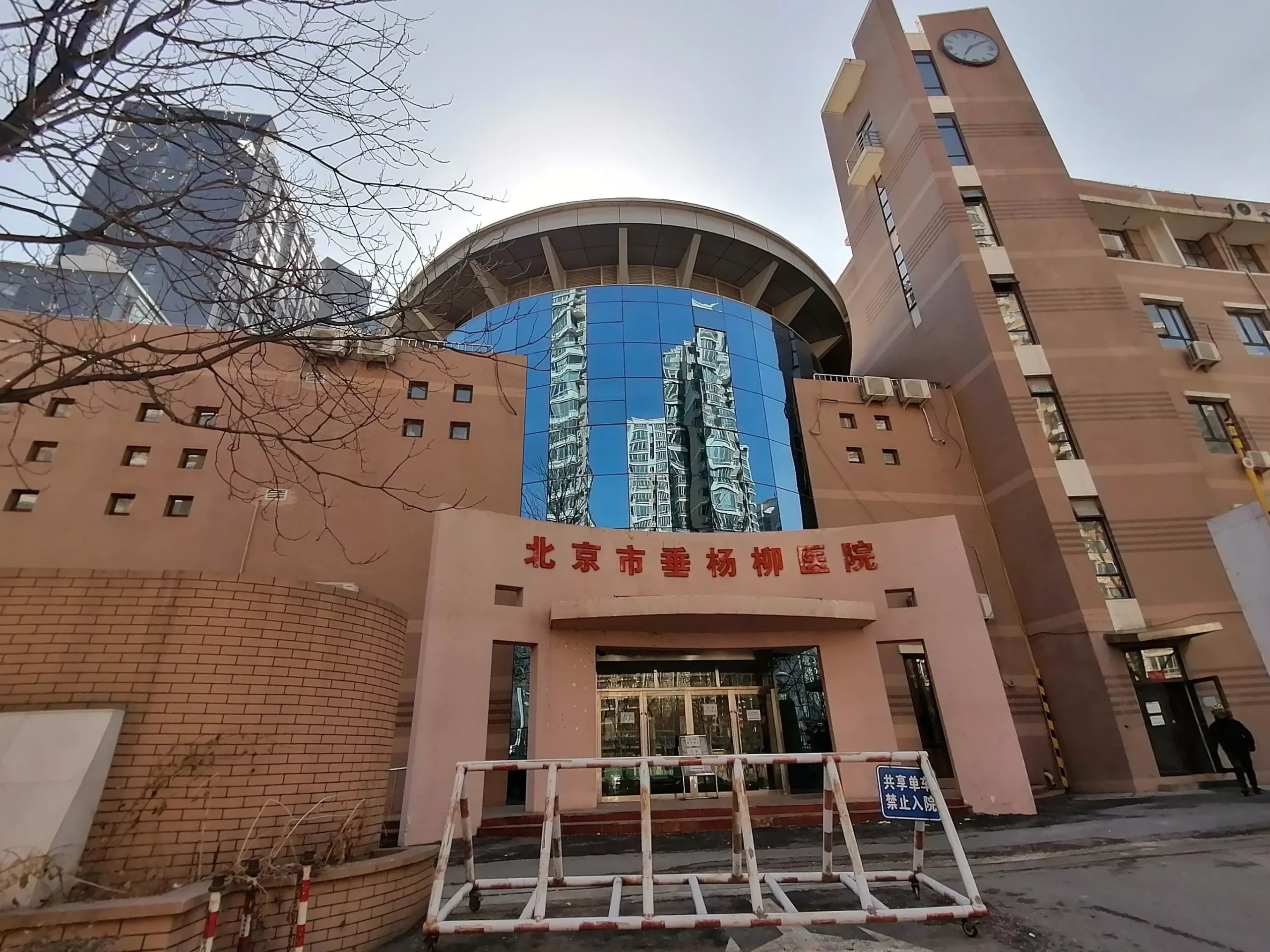
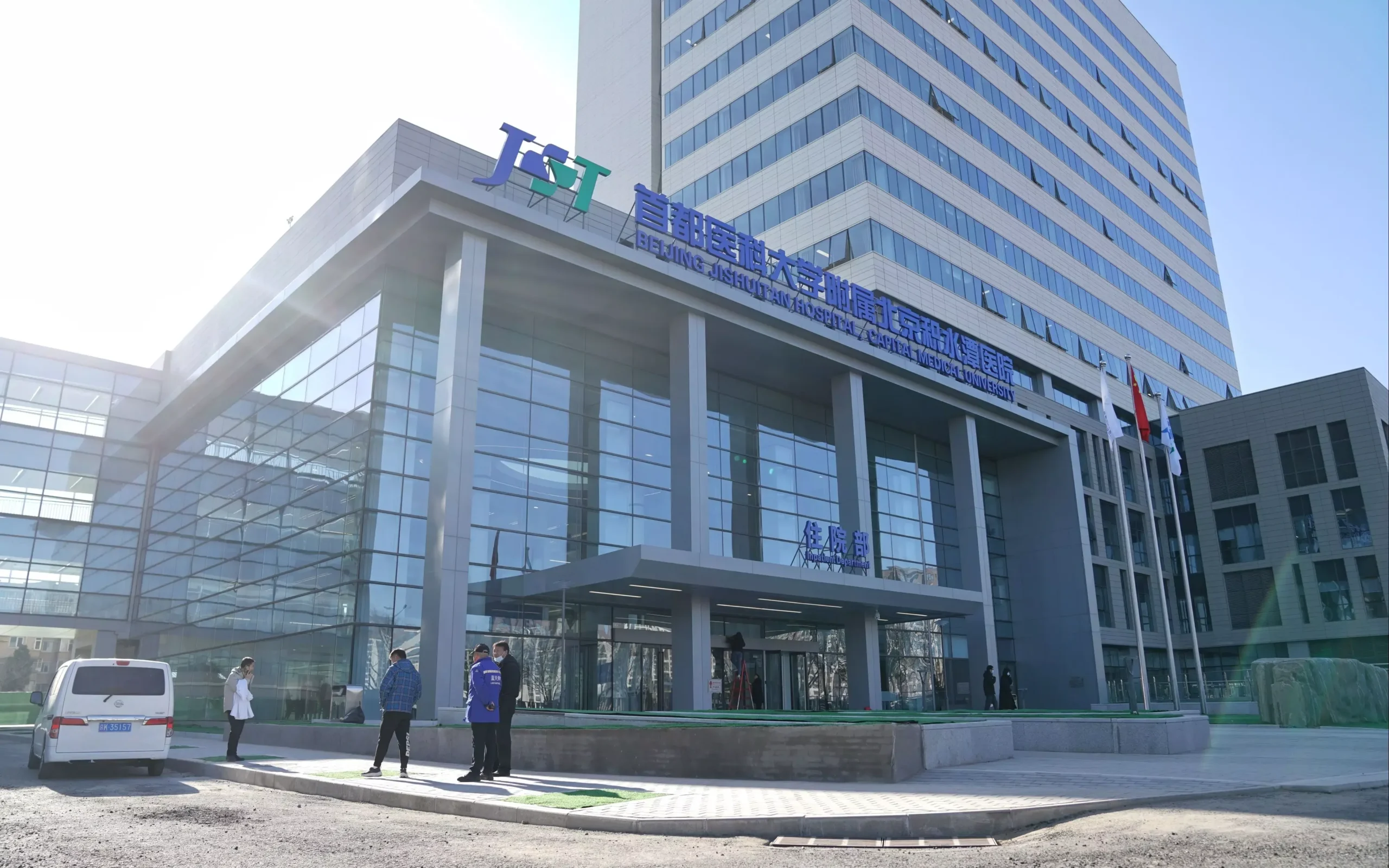
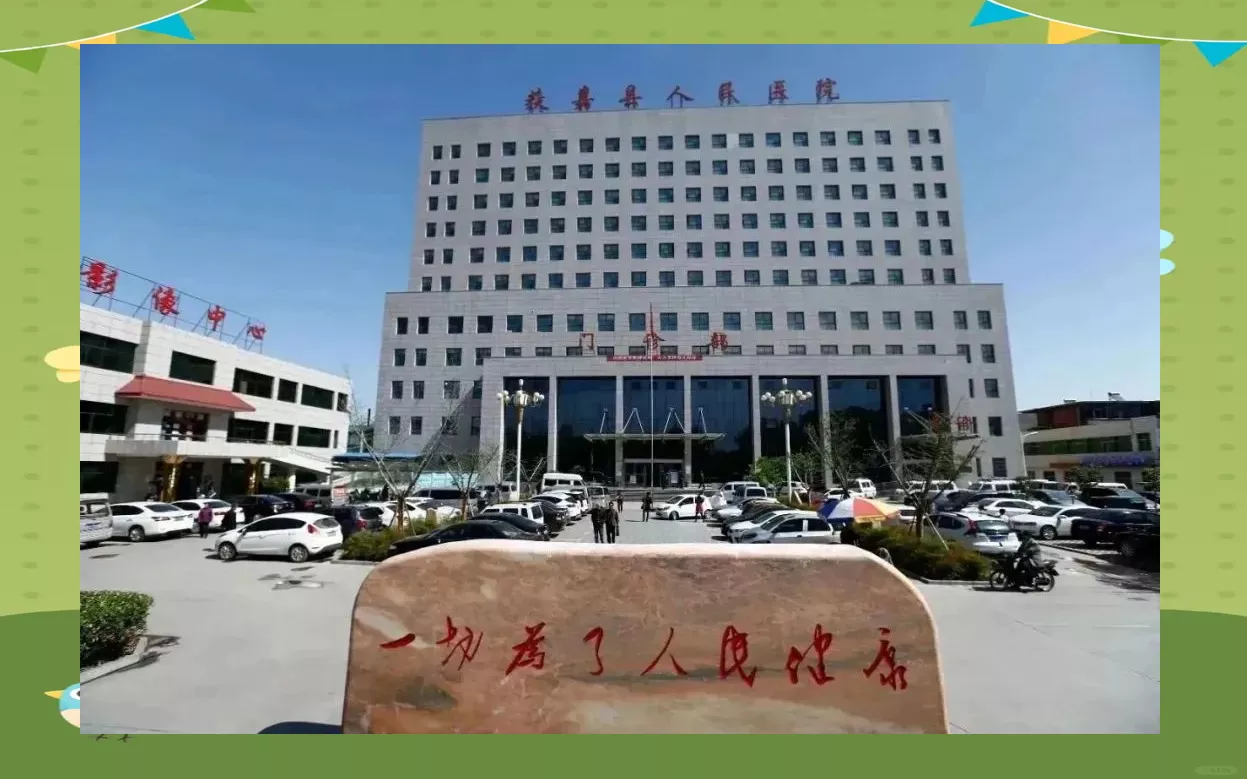
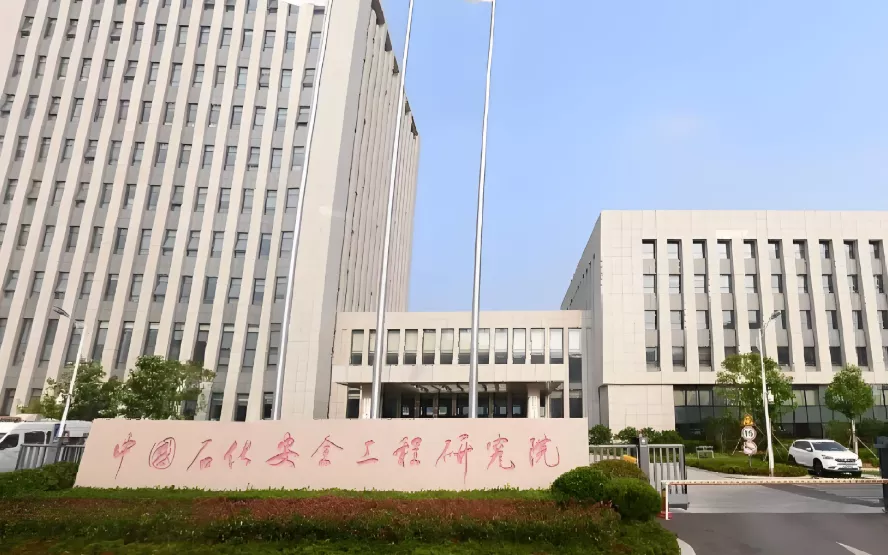
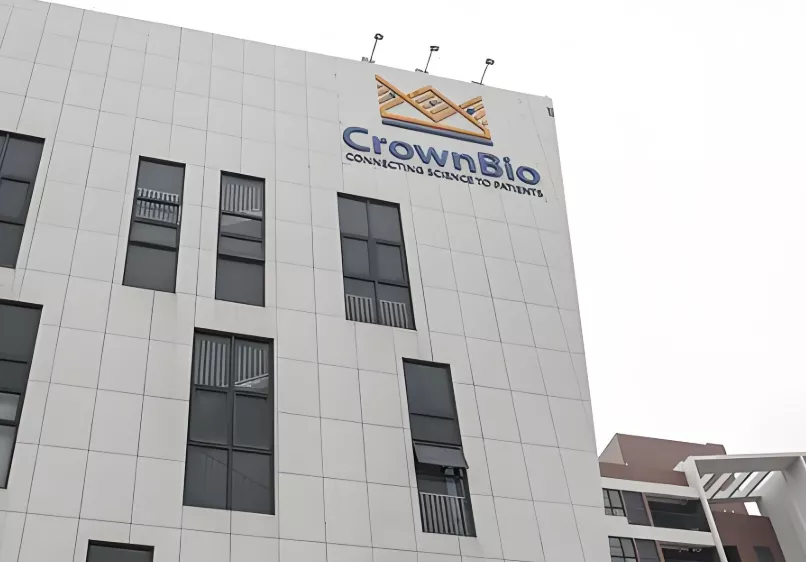
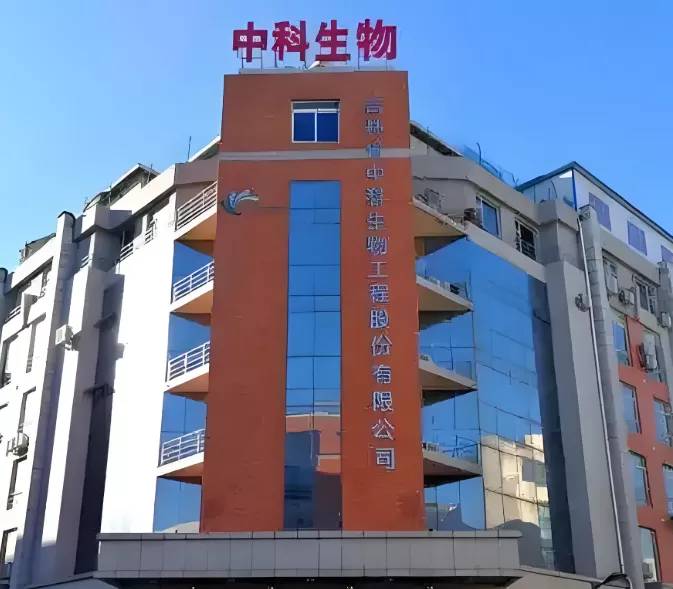
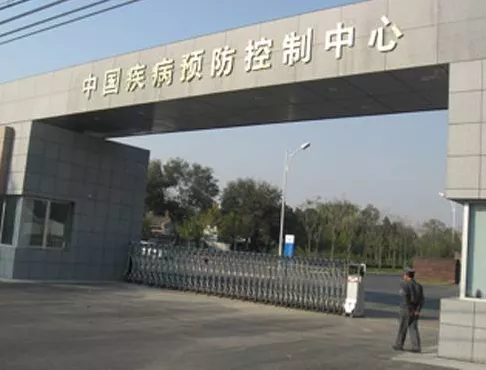
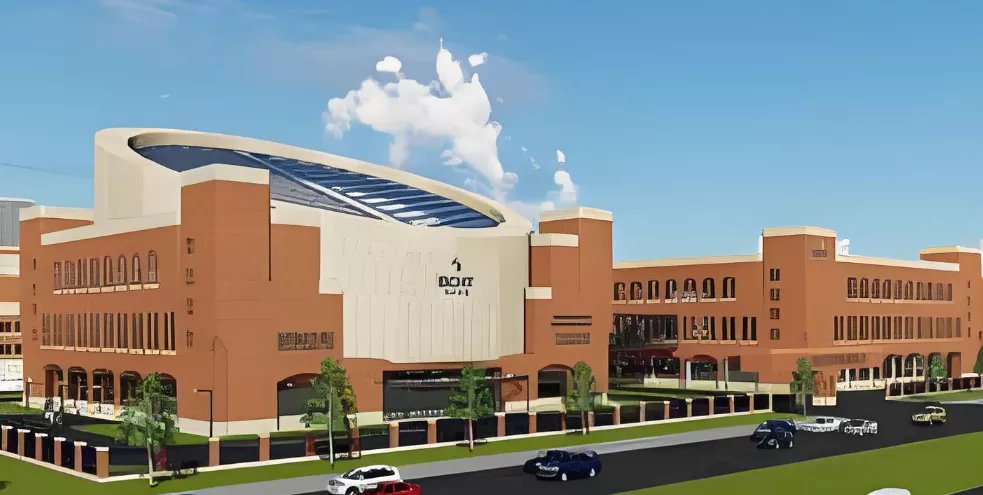
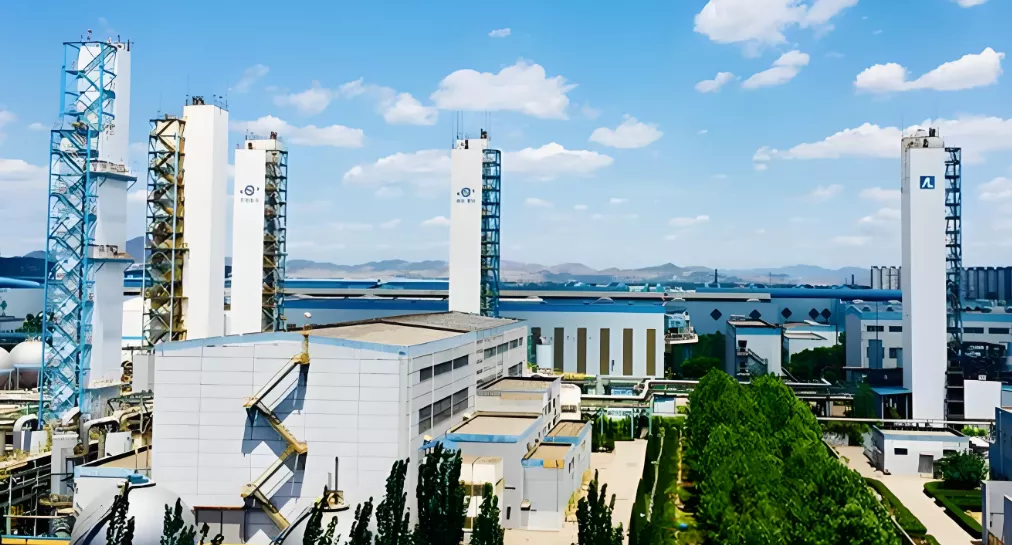
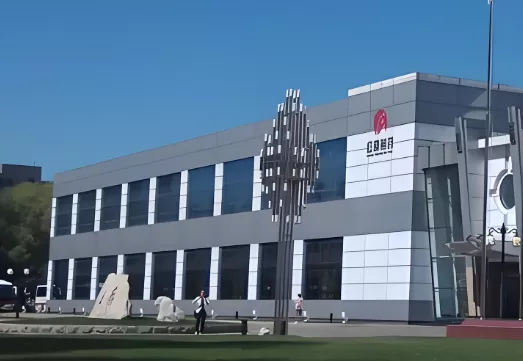
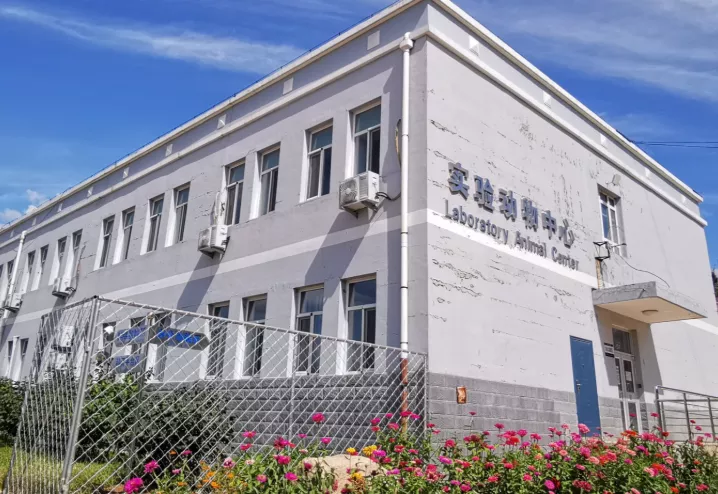
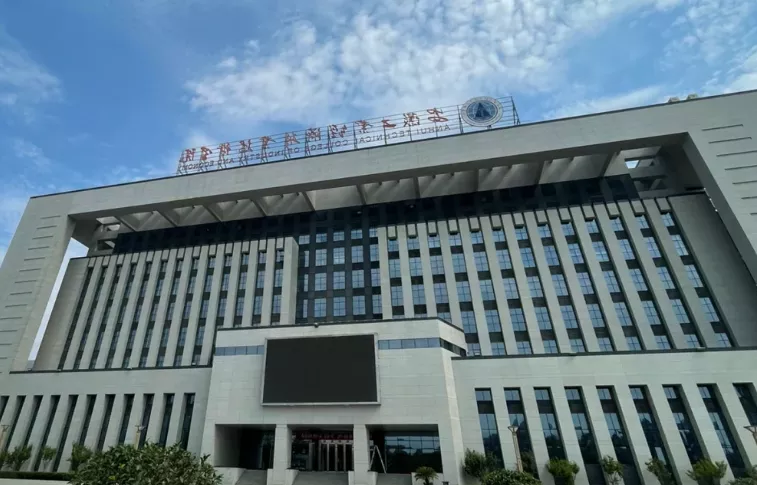
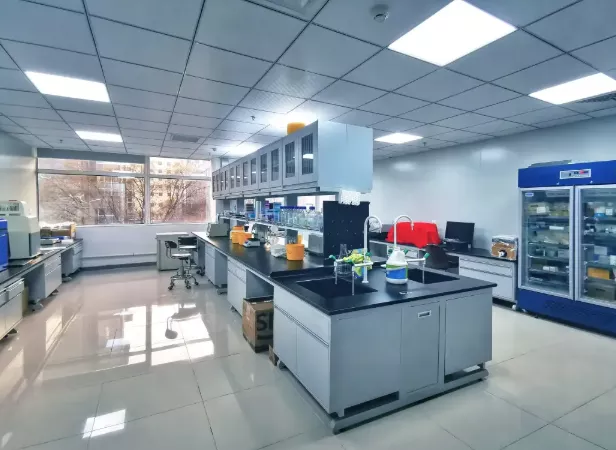
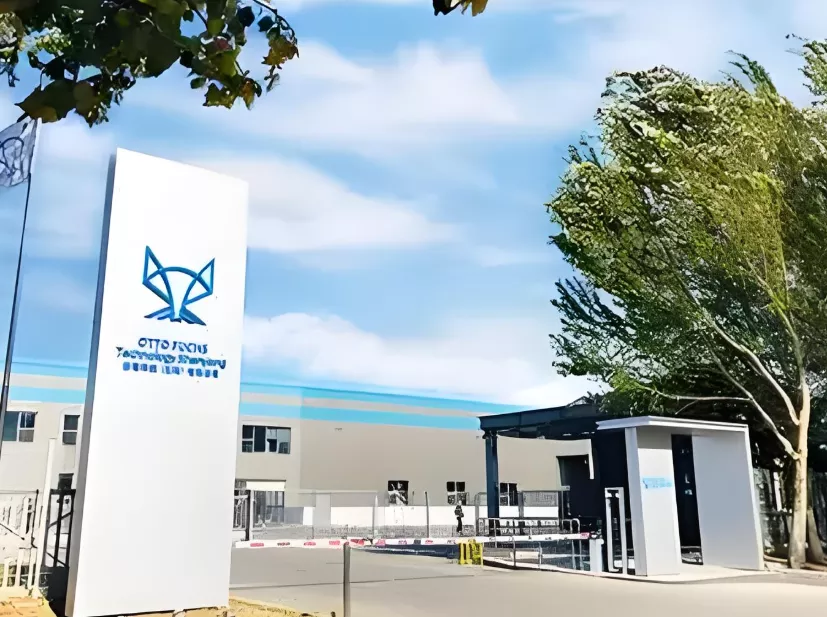
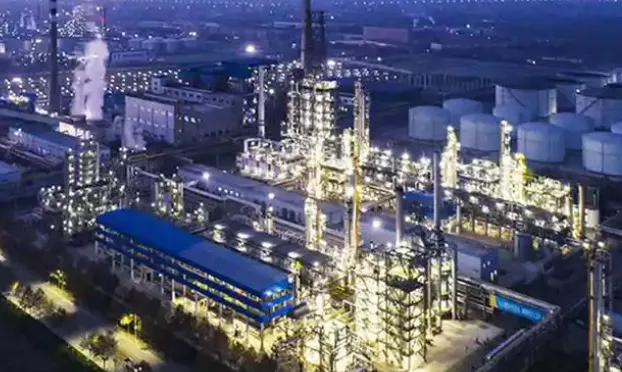
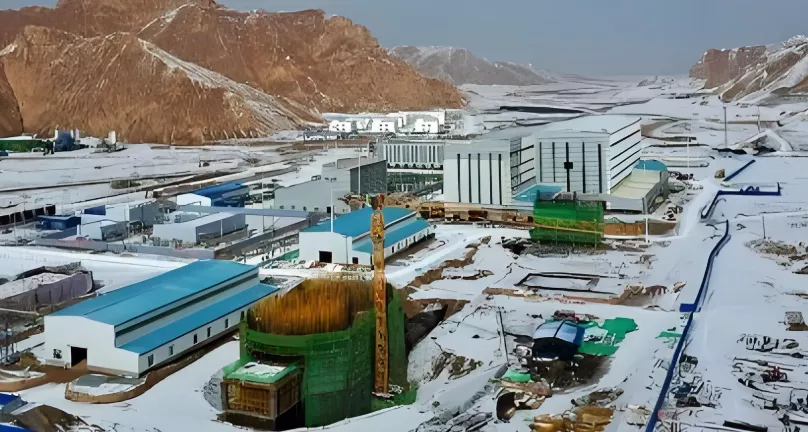
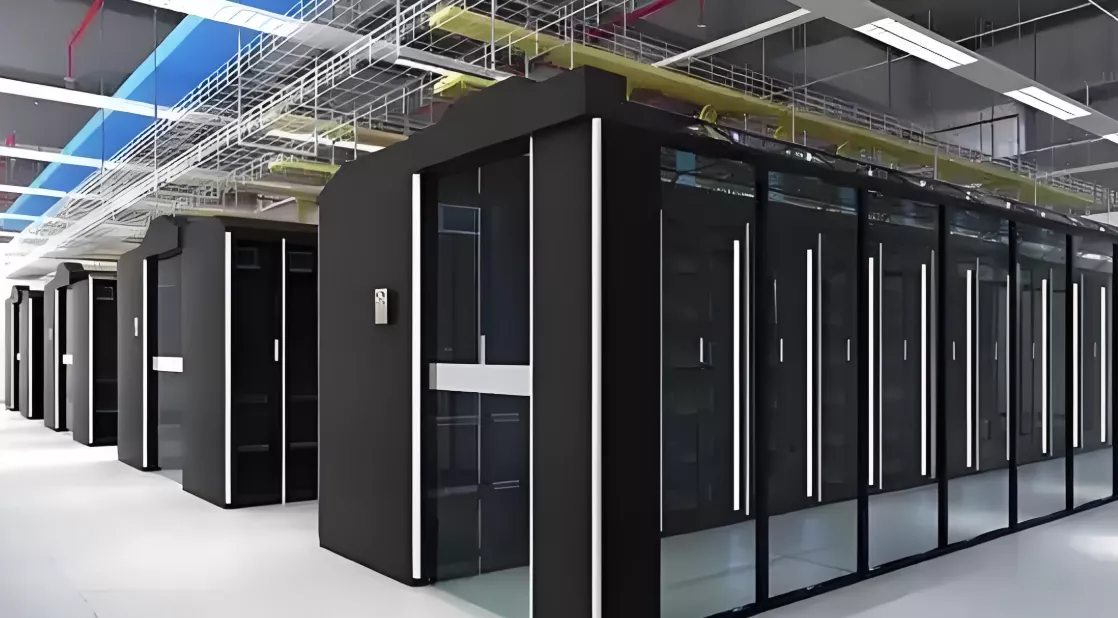
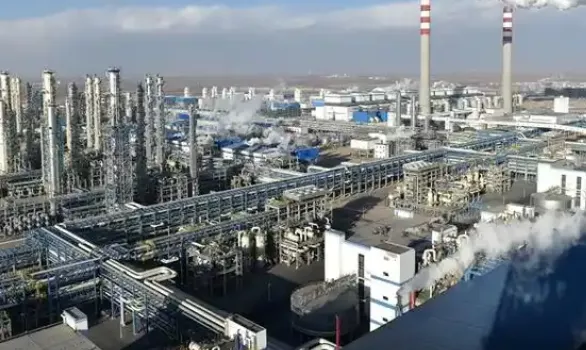
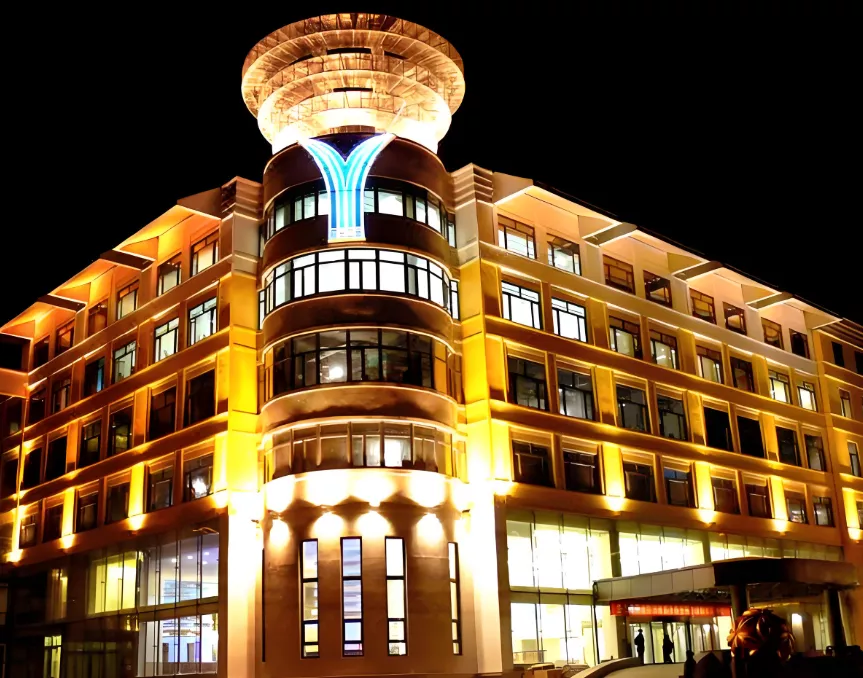
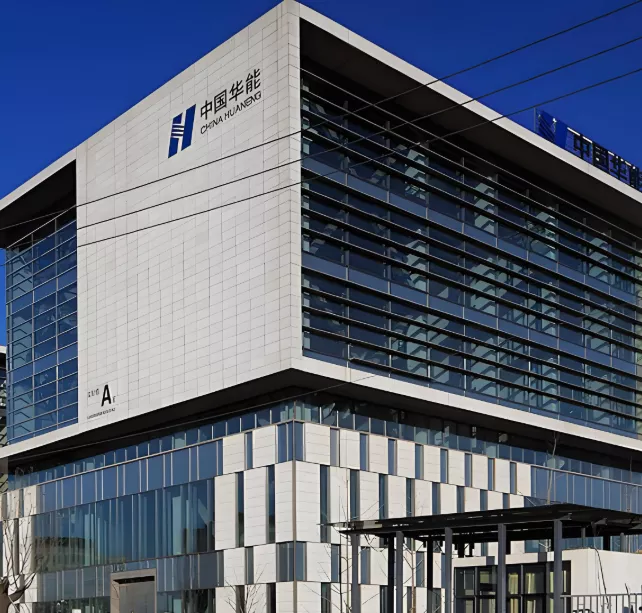
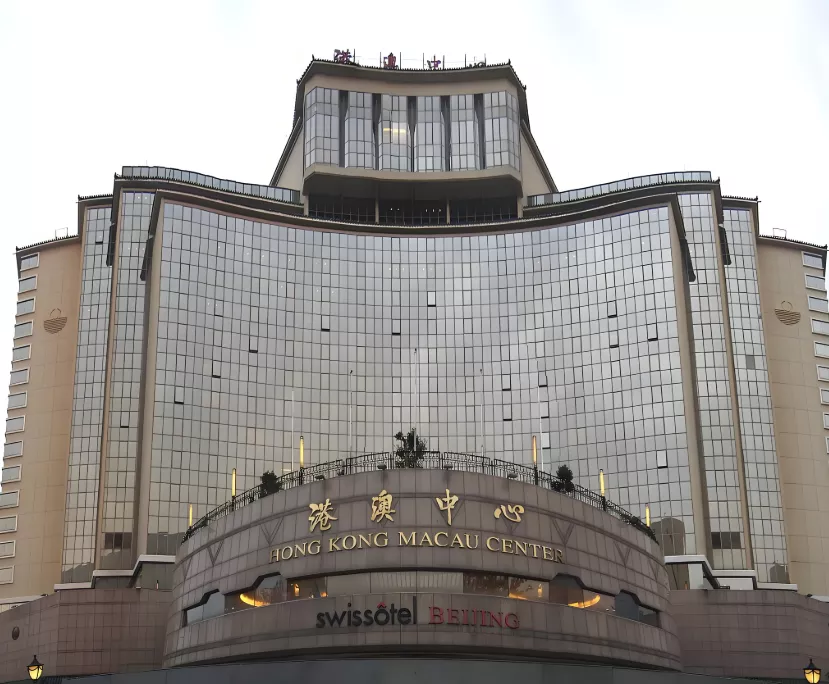
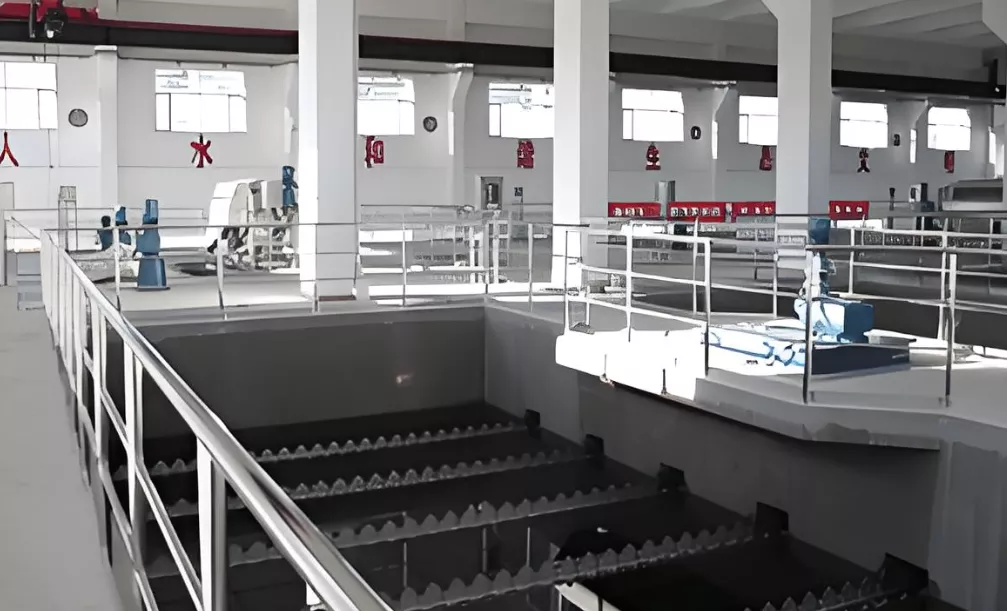
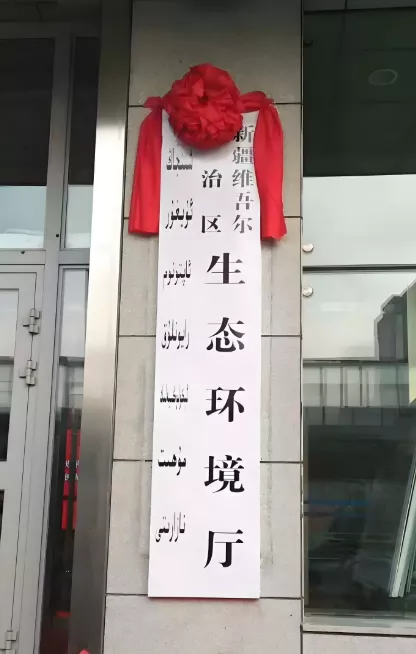
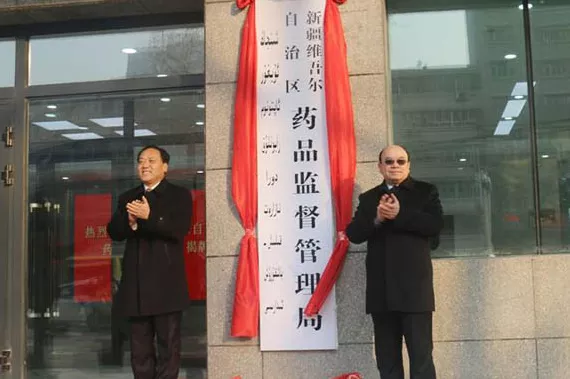
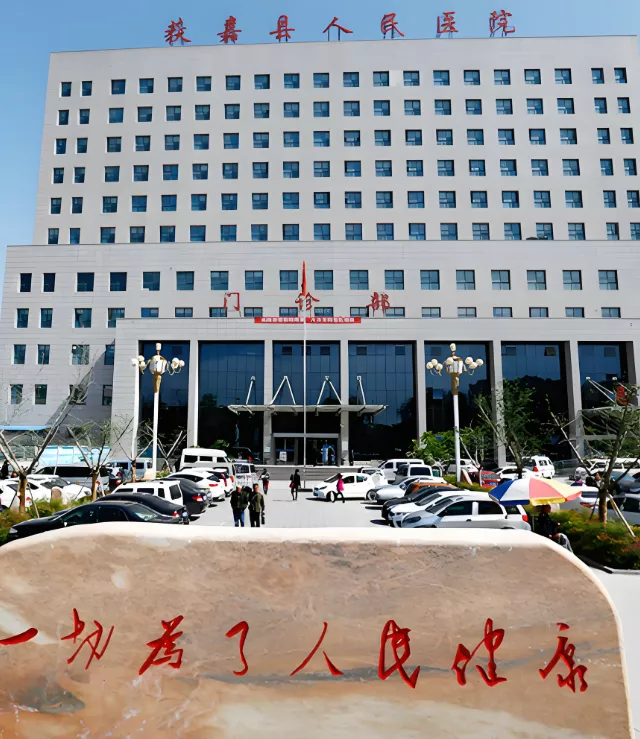
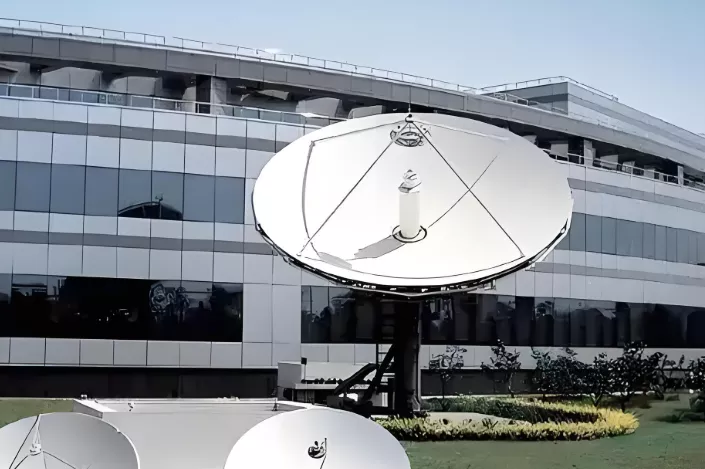
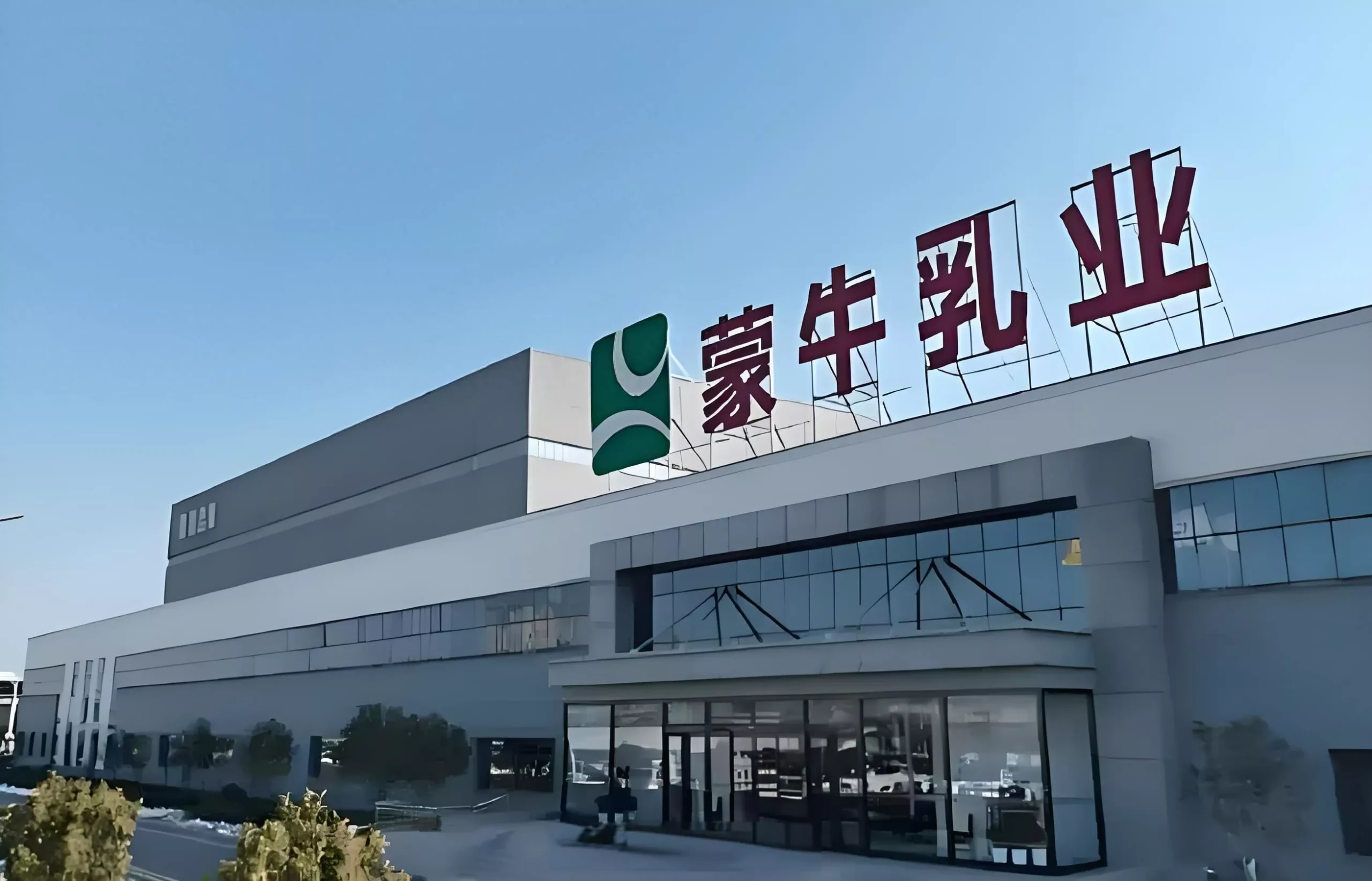
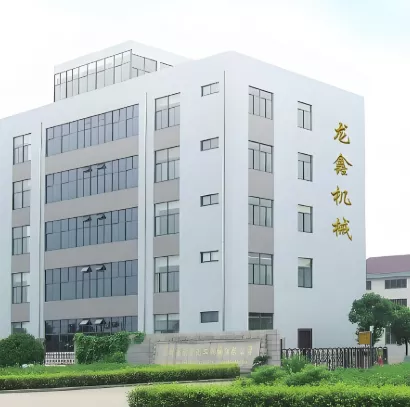
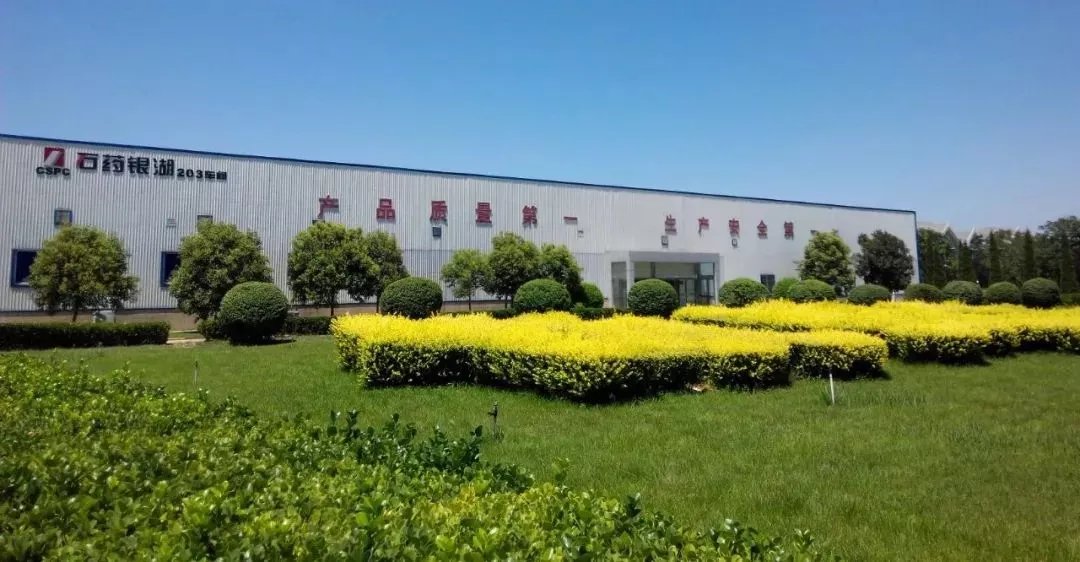
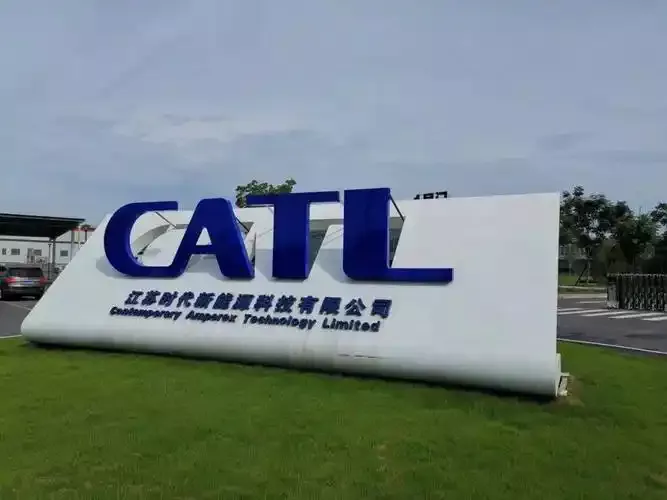
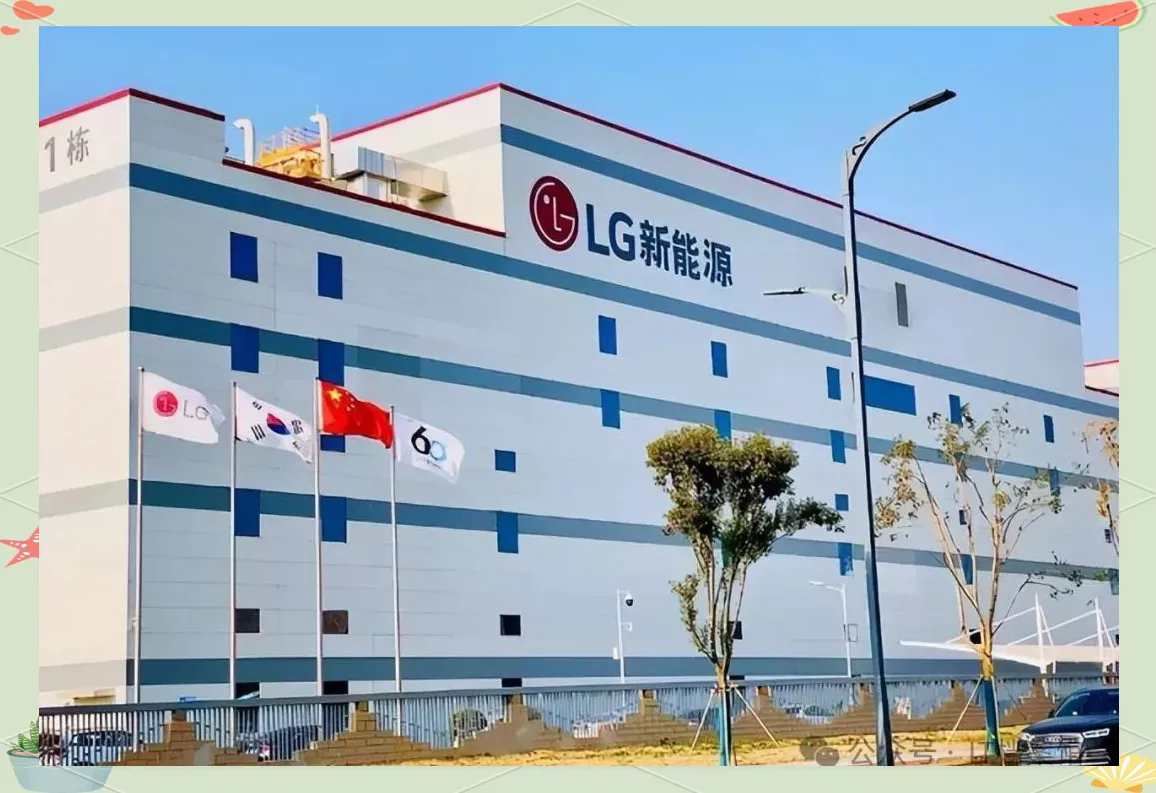
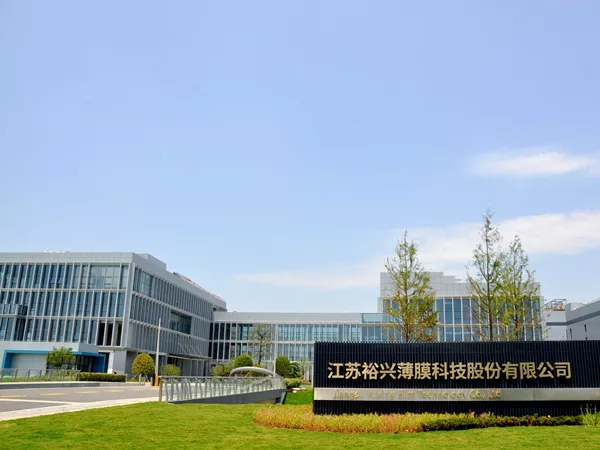
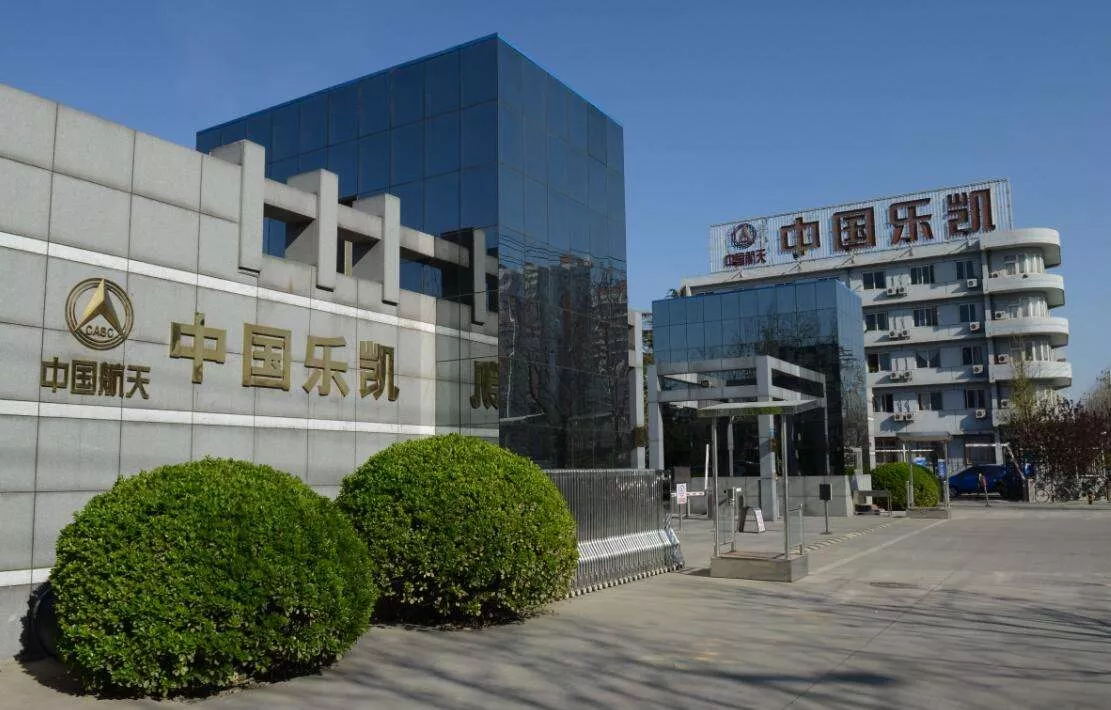
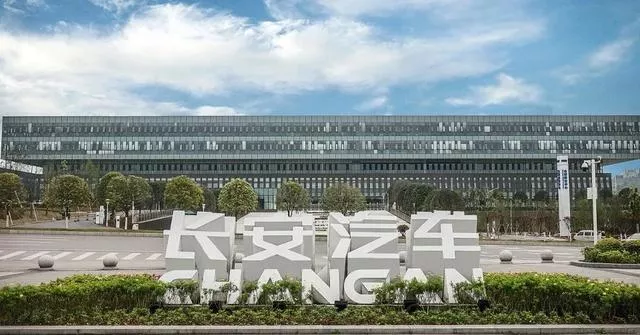
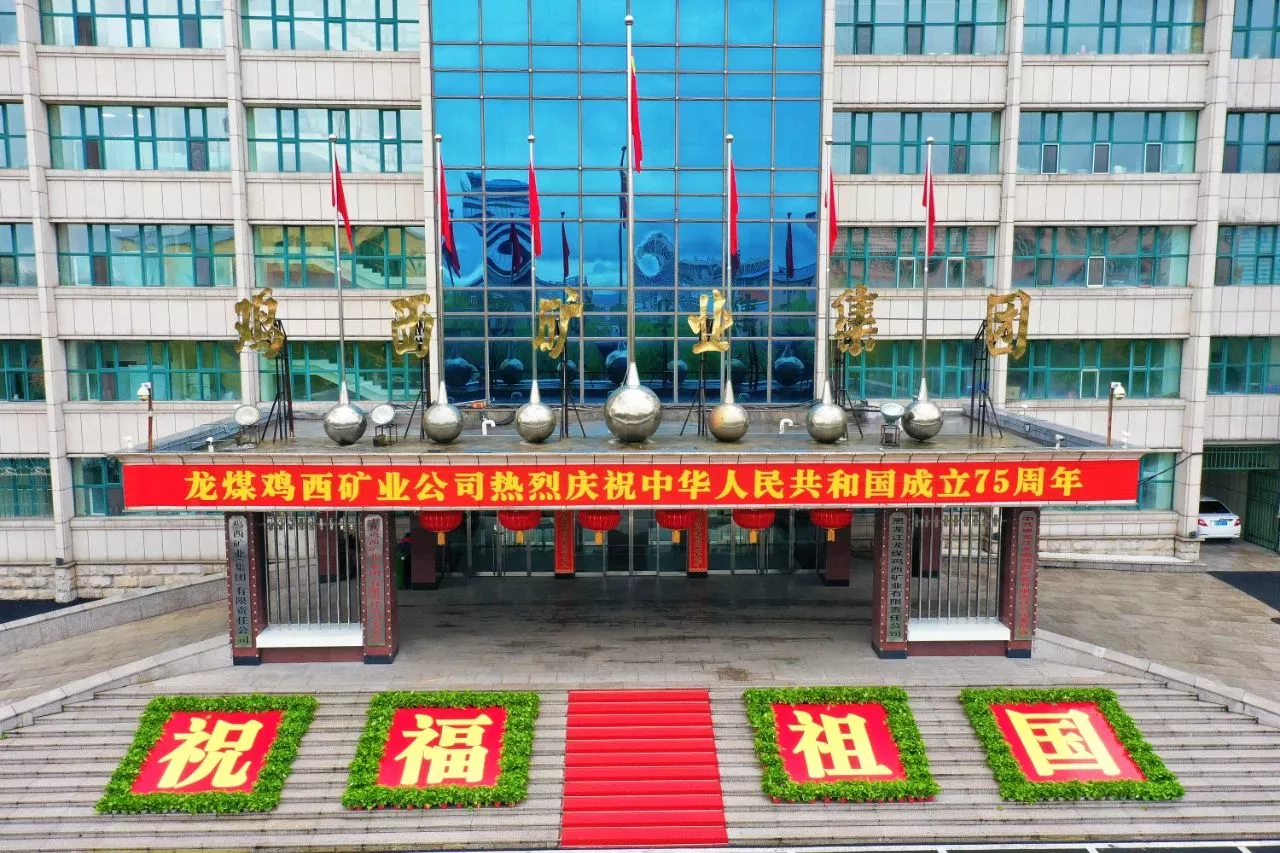
All Designed, engineered, built and installed by us. Whether for extreme industrial environments or high-precision medical cleanrooms, our solutions have stood the test of time and rigorous operation.

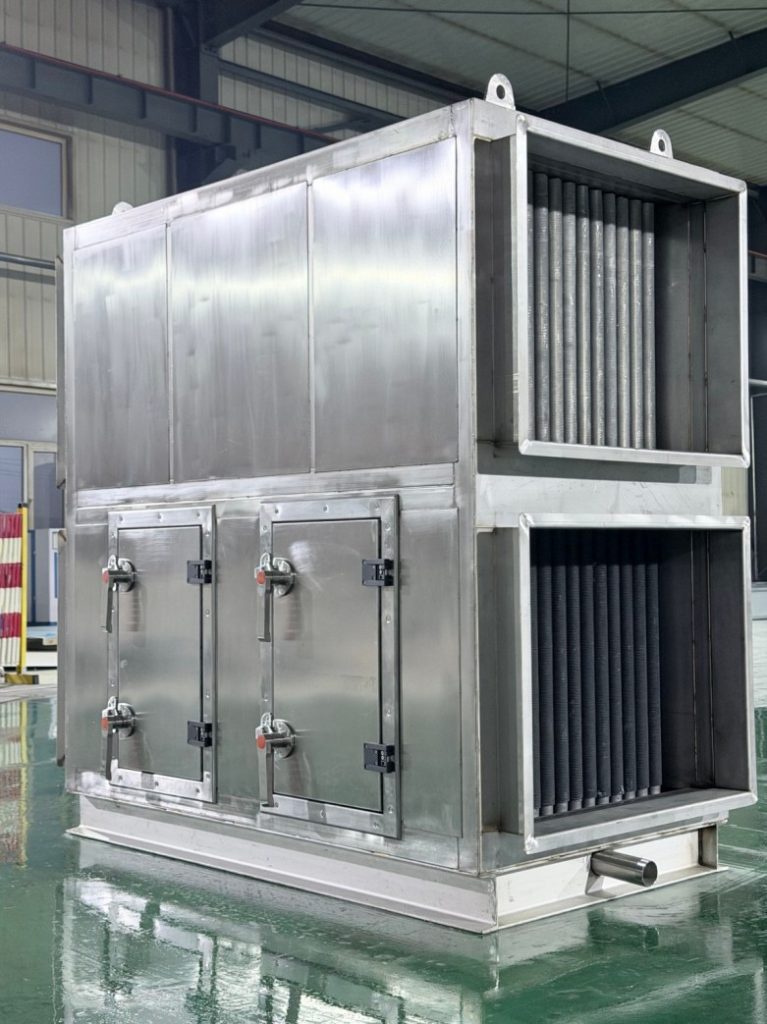
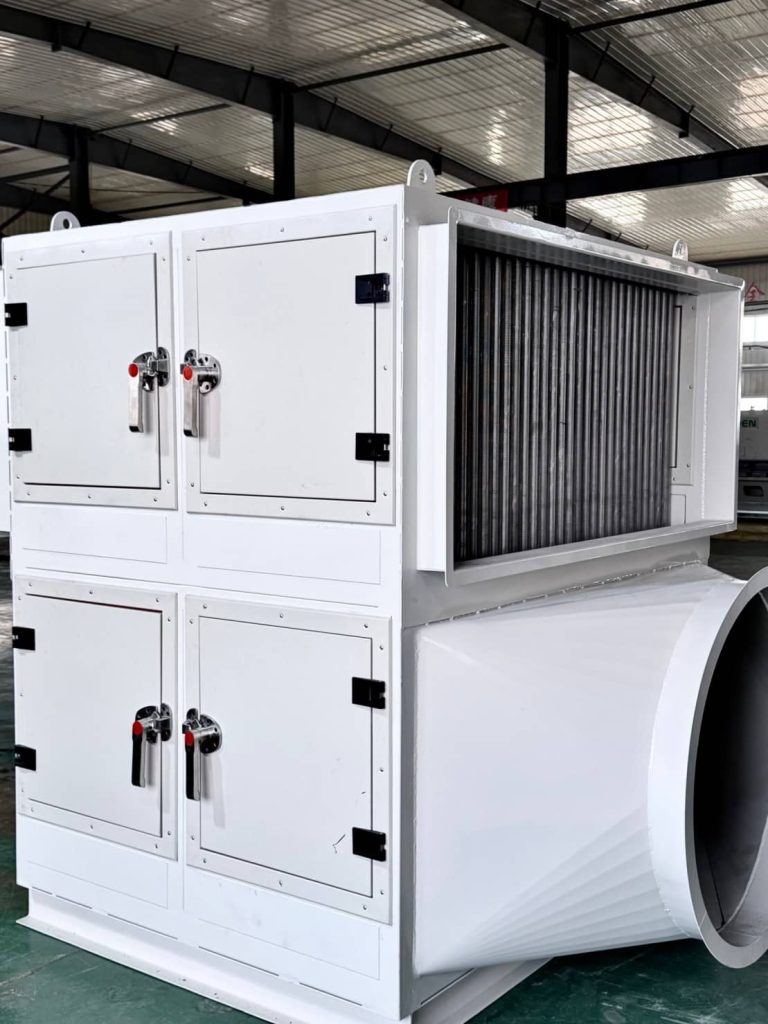













-.webp)











Heat Pipe Applications
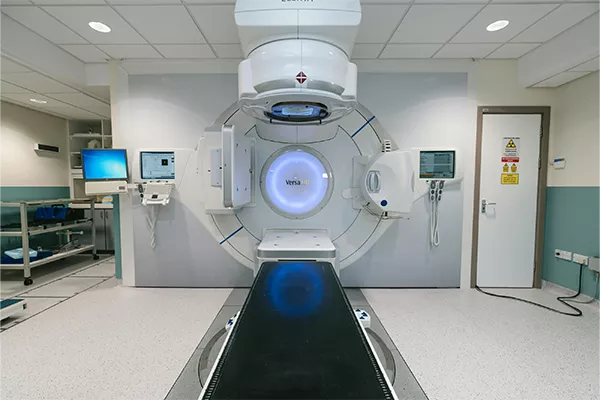
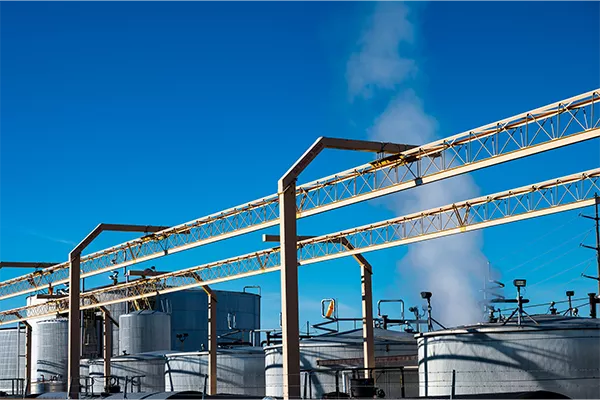
From critical data centers and sterile medical facilities to large-scale public landmarks and industrial plants, our heat pipe solutions are engineered to deliver reliable, high-efficiency energy recovery in any environment. Explore how our technology meets your specific climate and thermal management needs.




Ready to Choose Us?
Our Edge in Heat Recovery:
- Proven Expertise – 18+ Years’ heat pipe manufacturer, 100+ benchmark projects, including major airports and national landmarks.
- Engineering Excellence – ISO-certified quality, 20+ patents, and professional thermal simulation capabilities.
- Full-Spectrum Innovation – Comprehensive 2D to 5D heat pipe series, U-shape Dehumidification, Split, Glycol Systems tailored for -40°C to 160°C applications.
- Performance-Driven – Passive zero-energy operation, zero cross-contamination, and 60%–80% thermal recovery efficiency.
- End-to-End Partnership – From expert thermal calculation and custom design to rapid 15–45 day delivery.
Partner with us to optimize energy efficiency, secure a 6–18 month ROI, and future-proof your industrial operations.