

Improving waste heat recovery efficiency starts with the right approach at every stage of the system—from accurately assessing the heat source to selecting the right heat exchanger, optimizing system integration, and maintaining stable performance over time.
For industrial drying applications, dryer exhaust heat recovery can turn the thermal energy carried away by hot, humid exhaust air into a useful heat source for the drying process. The following four strategies can help improve the overall performance of an industrial dryer waste heat recovery system.
1. Assess the Heat Source Accurately
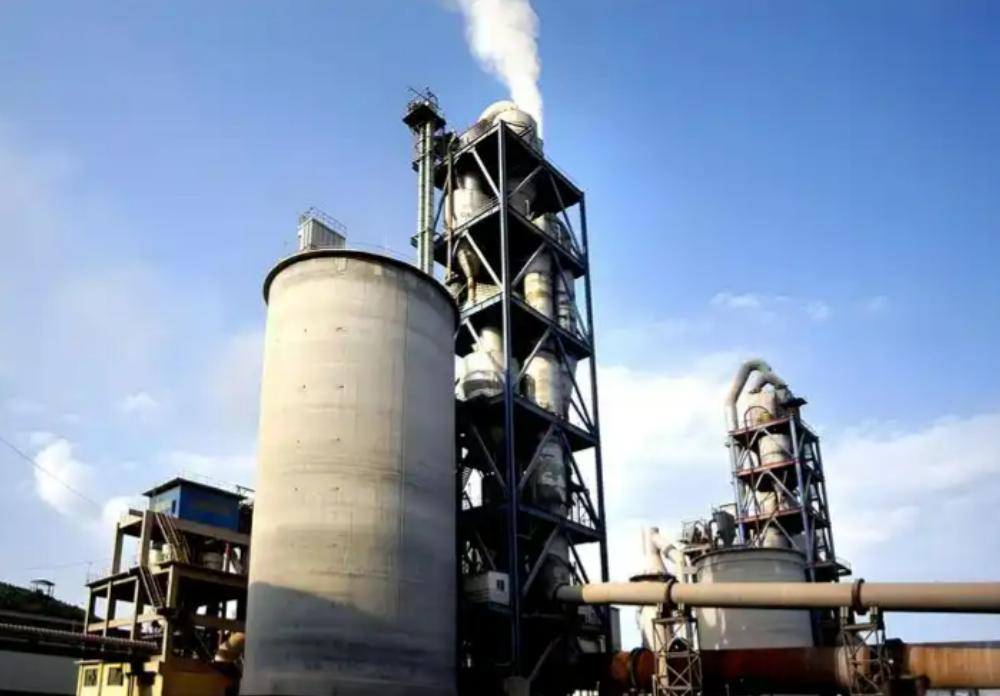
Accurate heat-source assessment is the foundation of an efficient waste heat recovery system. The goal is to measure the available heat precisely, collect reliable operating data, and minimize heat losses during exhaust collection and transfer.
- Comprehensive on-site assessment: Measure key parameters such as exhaust temperature, humidity, airflow rate, and operating conditions. DTDX also provides on-site measurements and evaluation reports to ensure that the recovery system is designed around actual operating data.
- Optimize heat collection: For continuous or batch drying equipment, use enclosed or distributed heat collection methods and properly insulated ductwork to minimize heat losses during exhaust heat collection and transfer.
- Remove contaminants at the source: Depending on the application, install dust removal and corrosion-resistant pre-treatment equipment to prevent dust and corrosive substances from affecting equipment operation and long-term system stability.
The better the exhaust conditions are understood at the beginning, the easier it is to determine the appropriate dryer heat recovery configuration and avoid designing a system around inaccurate assumptions.
2. Select the Right Heat Exchanger
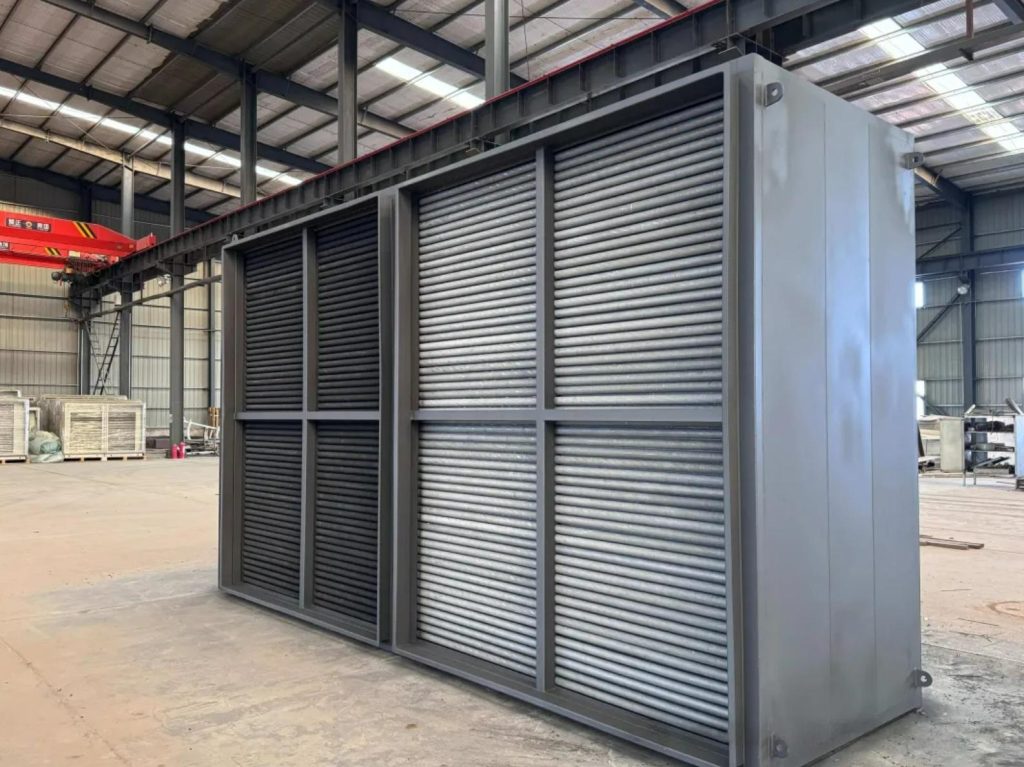
The heat exchanger is at the heart of the recovery process. Given the humid, dusty, and medium-to-low-temperature characteristics of dryer exhaust, equipment selection has a direct impact on waste heat recovery efficiency and long-term reliability.
For many drying applications, heat pipe heat exchangers can be considered when their design is matched to the exhaust temperature, airflow, moisture, dust, and corrosive characteristics of the process.
- Application-specific selection: Select a heat exchanger designed for the characteristics of the dryer exhaust rather than applying a one-size-fits-all solution. For medium- and low-temperature exhaust, a properly designed heat pipe heat exchanger can be an effective option when its operating conditions and maintenance requirements match the application.
- Optimize the heat exchanger structure: Customized materials, upgraded fin structures, and optimized airflow channels can help reduce airflow resistance. In suitable applications, optimized fin structures and airflow channels can improve heat transfer while helping control pressure drop.
- Consider fouling and maintenance: Dust and deposits can accumulate on heat-transfer surfaces over time and reduce performance. A suitable structure and maintenance strategy help keep dryer exhaust heat recovery performance stable throughout operation.
3. Integrate Heat Recovery with the Drying Process
Capturing waste heat is only part of the solution. To achieve meaningful energy savings, the recovered heat needs to be integrated with the drying process and matched with the plant’s actual heat demand.
The key is to avoid simply recovering heat and instead create a coordinated system in which the recovered energy is used where it has the greatest value.
Match heat supply with demand. Adjust the heat recovery rate and coordinate auxiliary heating equipment according to the actual drying load. This helps match recovered heat with the actual drying load and reduce unnecessary heat loss or over-recovery.
Use recovered heat at different temperature levels. Recovered heat can be prioritized based on its temperature level and the requirements of the application. High-grade recovered heat is directed to drying pre-heating (displacing primary fuel), while medium- and low-grade recovered heat can be used for preheating, space heating, or other suitable auxiliary processes.
Address fluctuating heat demand. For batch or intermittent drying operations, add auxiliary heating or thermal storage when necessary. This allows excess recovered heat to be stored and used when demand increases, helping balance heat supply and demand.
With proper system integration, dryer heat recovery becomes more than an independent heat exchanger. It becomes part of the overall drying system, allowing more of the available waste heat to be put back into productive use.
4. Maintain Stable Performance Over the Long Term
A heat recovery system needs to perform consistently—not just immediately after installation. Regular maintenance and performance monitoring are essential for keeping waste heat recovery efficiency stable over the equipment’s service life.
A comprehensive operation and maintenance program can help prevent equipment aging, fouling, and component failures from gradually reducing recovery performance.
- Regular maintenance: Clean heat-transfer surfaces, check seals, inspect heat-transfer components, and replace worn or damaged parts in time to prevent declining recovery efficiency.
- Monitor key parameters: Regularly check critical operating parameters and sensors to make sure the system remains within its designed operating range.
- Track performance over time: Compare actual operating data with the original design parameters to identify performance degradation early and take corrective action.
With proper operation and maintenance, the system can maintain stable heat recovery performance and operate close to its design parameters over the long term.
Final Thoughts
Improving waste heat recovery efficiency in drying processes is not about optimizing a single piece of equipment. It requires a complete approach covering heat-source assessment, heat exchanger selection, process integration, and long-term maintenance.
For industrial drying applications, a properly designed dryer exhaust heat recovery system can recover thermal energy that would otherwise be discharged with the exhaust air and return it to the process. The right dryer exhaust heat exchanger, combined with accurate operating data and proper system integration, is the foundation for achieving reliable industrial dryer waste heat recovery and long-term energy savings.
DTDX specializes in heat pipe heat exchangers and customized waste heat recovery solutions for industrial applications, including drying processes. Looking to improve your dryer exhaust heat recovery efficiency? Contact us to explore a heat pipe heat exchanger solution tailored to your drying process.