

Most HVAC systems lose a good amount of energy through exhaust air. Many building owners already know this, but tearing out a working system just to fix it is hard to justify.
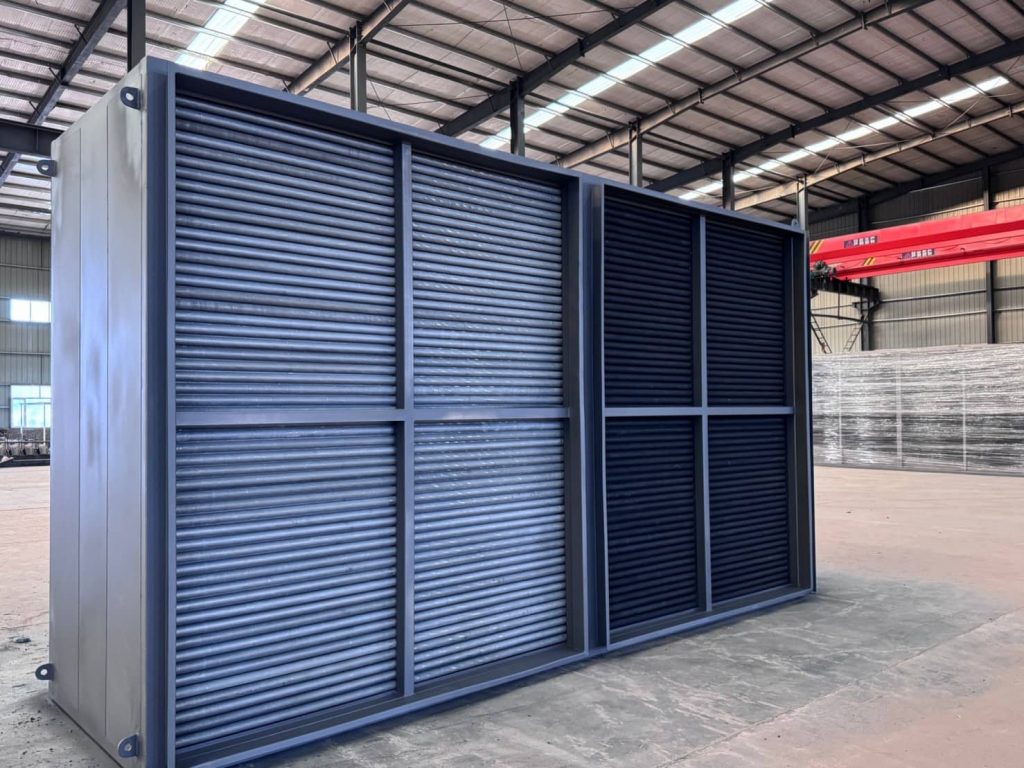
The more practical question is whether a heat recovery system can be added to the equipment you already have. One idea is a heat pipe heat exchanger. It uses a closed working fluid which evaporates and condenses transferring heat from one airstream to another so the two streams never mix.
This article explains whether it’s a good idea for an HVAC retrofit, what to check first, what tends to create trouble, and how it compares with replacing the system.
When Does a Heat Pipe Heat Exchanger Make Sense
A heat pipe heat exchanger is often a practical option when the supply and exhaust air ducts can be arranged to pass through the heat recovery unit and there is a useful temperature difference between the two airstreams during operating hours.
Heat recovery units are described by the UK government’s Energy Technology List as devices that recover heat from exhaust air in buildings that would otherwise be lost to the atmosphere.
Here are some signs that a project is worth taking a closer look at:
- High fresh air demand: Hospitals, laboratories and schools need huge amount of outside air and this leads to higher energy loss from the exhaust.
- Long operating hours: The longer the system runs during the day, the more time the exchanger has to recover heat.
- Separation requirements: A heat pipe design keeps the two streams separate if exhaust air must not mix with supply air.
- Ducts close together: Side-by-side supply and exhaust paths are the easiest case. If they are far apart, a split heat pipe system or a glycol heat recovery system may fit better.
What Should You Check Before Installation
Before talking about models or sizes, we suggest collecting the data below. These five checks decide most of what happens later.
| Item to Check | Why It Matters |
| Airflow and inlet temperatures | Estimate potential heat recovery and identify the required design conditions. |
| Available installation space | Confirm physical fit |
| Fan capacity and pressure drop | Avoid airflow problems |
| Exhaust air composition | Identify potential corrosion, fouling, or material compatibility issues |
| Drainage and service access | Support reliable operation and maintenance |
The first consideration is airflow and temperatures as these dictate the ceiling on how much heat you can recover. The other items tell you whether that number is realistic on site.
What Could Make an HVAC Retrofit More Difficult
After the checks there are still some things that can influence the result.
1. Limited Space and Changes to Existing Airflow
Older air handling units are often tight. An exchanger adds depth, and fitting it may mean changing duct routing. Any change like that can shift airflow patterns and add pressure drop.
2. Dust Buildup and Corrosion in Exhaust Air
With time the fins might become clogged with dusty, greasy or chemically-laden exhaust. Coatings, filters and easy access for cleaning are important, but must be designed in from the very beginning.

3. Seasonal Changes in Heat Recovery Performance
In general the greater the difference between the temperature of the incoming outdoor air and the exhaust air, the higher the possibility for heat recovery. Performance is dependent on the season and operational conditions.
Condensation or frost can occur in cold weather, depending on the air and operating temperatures. Condensate should be handled as per the system design.
4. Difficulty Estimating Actual Energy Savings
Savings depend on weather, operating hours, fan control, and variations in building load. Energy estimates can provide a reasonable approximation, but actual savings are not guaranteed. Better to make this clear from the outset.
Adding a Heat Pipe Heat Exchanger vs. Replacing the HVAC System
Some owners believe that adding an exchanger is always the easier choice. Often it is, because it leaves the right equipment in place and looks at one aspect of the system. The table displays the difference between the two paths.
| Factor | Add a Heat Pipe Heat Exchanger | Replace the HVAC System |
| Project scope | Targeted modification | Broader system upgrade |
| Existing equipment | Retains suitable components | Replaces selected or major components |
| Installation needs | Requires space and airflow assessment | Requires wider design and installation planning |
| Main consideration | Compatibility and recovery potential | Overall system condition and upgrade goals |
In fact, adding a heat pipe heat exchanger doesn’t necessarily cost less than a full replacement. If current fans, coils or controllers are approaching the end of their lives, patching can be more expensive than a full upgrade. The best decision depends on equipment quality, project scope and expected return.
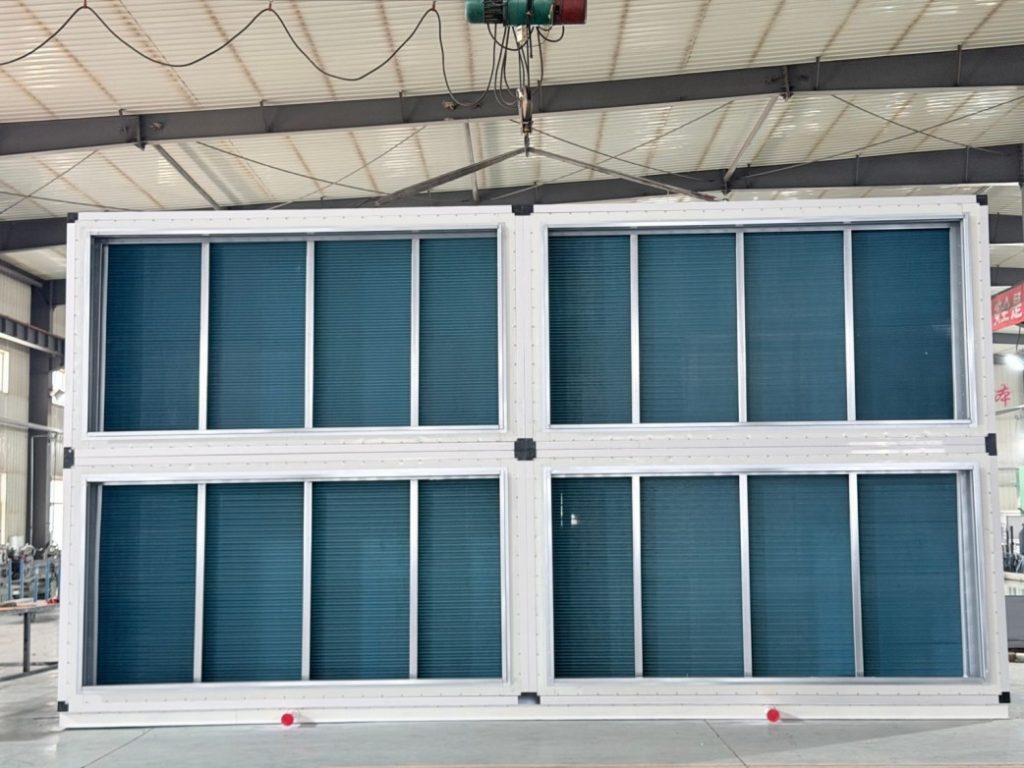
What to Prepare Before Planning an HVAC Retrofit
Gathering the following before you contact a supplier saves a lot of back and forth:
- Airflow and temperatures: Fresh air and exhaust air volumes and inlet and outlet temperatures.
- Drawings and space: Existing duct and AHU designs, with usable installation dimensions.
- Pressure and targets: The pressure loss your fans can accept and the recovery level you hope to reach.
- Exhaust air conditions: Dust, humidity or corrosive materials in the exhaust.
This information allows the supplier to make an initial choice and estimate of performance. Only then it makes sense to fix the equipment size and the installation strategy. That order is often skipped and that’s how projects get a unit that doesn’t fit, or a pressure drop the fan can’t handle.
For HVAC retrofit projects, a heat pipe heat exchanger may be worth considering when space, airflow, exhaust conditions, and expected energy savings support the investment. The earlier you check them, the less surprises you have down the road.
At DTDX, we make heat pipe heat exchangers in several configurations and have supplied them to hospitals, laboratories and commercial buildings. If you are considering an HVAC system retrofit, send us your airflow data and drawings, and we will help you assess the recovery potential.