

You feel it when you go by a paper machine, warm, moist air billowing out of the dryer hood and up the stack. That air takes a lot of steam to heat and in many mills much of it is just vented out.
Drying is one of the most energy intensive phases in papermaking, according to the ENERGY STAR Energy Guide for the pulp and paper industry. So even a little improvement in the way that you manage exhaust heat can show up on the energy bill.
This article discusses the source of heat from paper mill waste, how a heat pipe heat exchanger handles dryer exhaust, what to consider before building one, and how to make sure the heat recovered is put to good use.
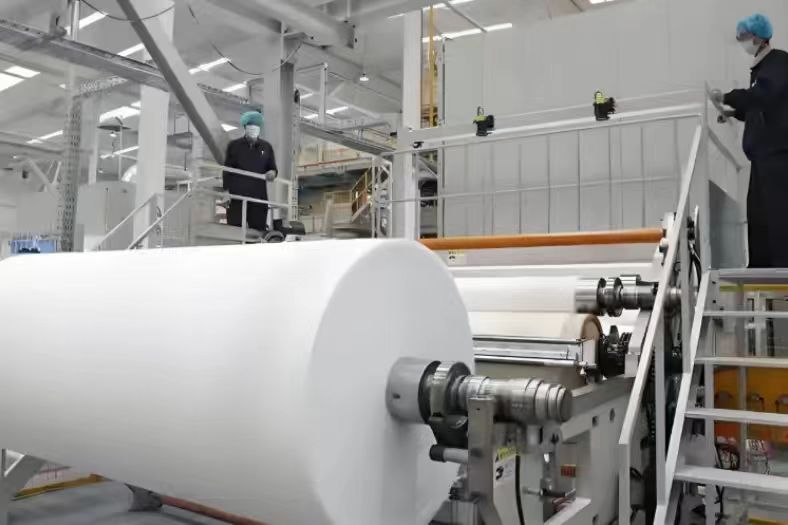
Common Sources of Waste Heat in Paper Mills
A paper mill has several heat streams worth looking at. This article focuses on two exhaust streams: dryer exhaust and coating exhaust. Both can provide recoverable heat for preheating incoming air.
Hot water and white water can also be recovered. They merit a separate study as the proper equipment for those depends on the heat source, the heat sink and the way your system is laid out.
The table below gives a quick overview.
| Heat Source | Heat Characteristics | Potential Heat Reuse |
| Paper machine dryer exhaust | Warm, moisture-laden exhaust air | Preheating incoming drying air |
| Coating machine exhaust | Heated process exhaust air | Fresh-air or process-air preheating |
| Pulping process hot water | Hot process water | Process water or makeup water preheating |
| Paper machine white water | Warm process water containing fibers and fines | Low-temperature water preheating |
*The selection of heat recovery equipment involves considerations of the source and nature of heat, temperature and moisture content, and intended use.
How Heat Pipe Heat Exchangers Work with Paper Dryer Exhaust
Heat pipes are sealed tubes with a limited quantity of working fluid within. The working fluid vaporizes at the heated end, and it goes towards the cool end. After reaching the cool end, it condenses and gives off the heat that it has received. Several heat pipes have been clustered and bundled together to make heat pipe heat exchangers. These units have exhaust streams and fresh air streams running on either side of the heat pipe clusters.
For the dryer heat recovery, heat pipe heat exchangers offer a few advantages.
- Separate airstreams: The exhaust air remains separate from the inlet air, helping prevent moisture and particles from entering the fresh-air stream.
- Passive operation: There are no pumps or rotating parts in the heat exchanger, and heat is transferred through evaporation and condensation cycles.
- Preheated supply air: The air is heated and returned to the dryer system to reduce the amount of steam required to reach the specified temperature.
However, the operating conditions with paper dryer exhaust are far from ideal for heat transfer. Moisture, fibers, and condensation all combine to foul the surface and reduce the heat transfer efficiency. The material selection and design must consider this right from the start.
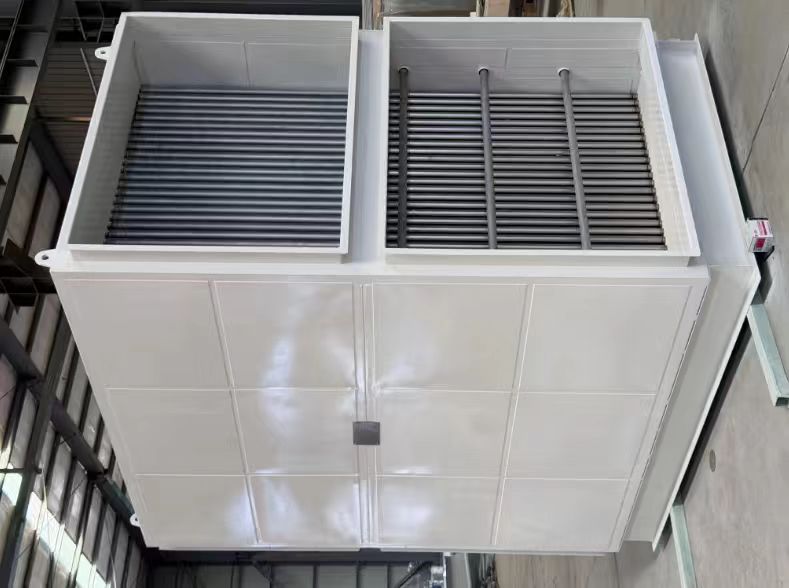
What to Consider Before Installing a Heat Recovery System
Usually, before selecting the equipment, there are several site parameters to determine whether the project is working. In practice, factories that collect these numbers first tend to avoid costly redesigns later on.
| What to Check | Why It Matters |
| Exhaust temperature and airflow | Determine the amount of heat potentially available |
| Moisture and fiber content | Affect fouling, condensation and cleaning requirements |
| Available heat demand | Confirm where recovered heat can actually be used |
| Installation space and pressure drop | Affect retrofit feasibility and fan performance |
| Operating hours | Influence annual energy savings and payback |
Space and pressure drop are simple to miss. A heat exchanger increases resistance to the ducting and if the existing fan has little spare capacity you may need to alter the fan. Operating hours matter too. A machine running nearly all year pays back much faster than one that stops often.
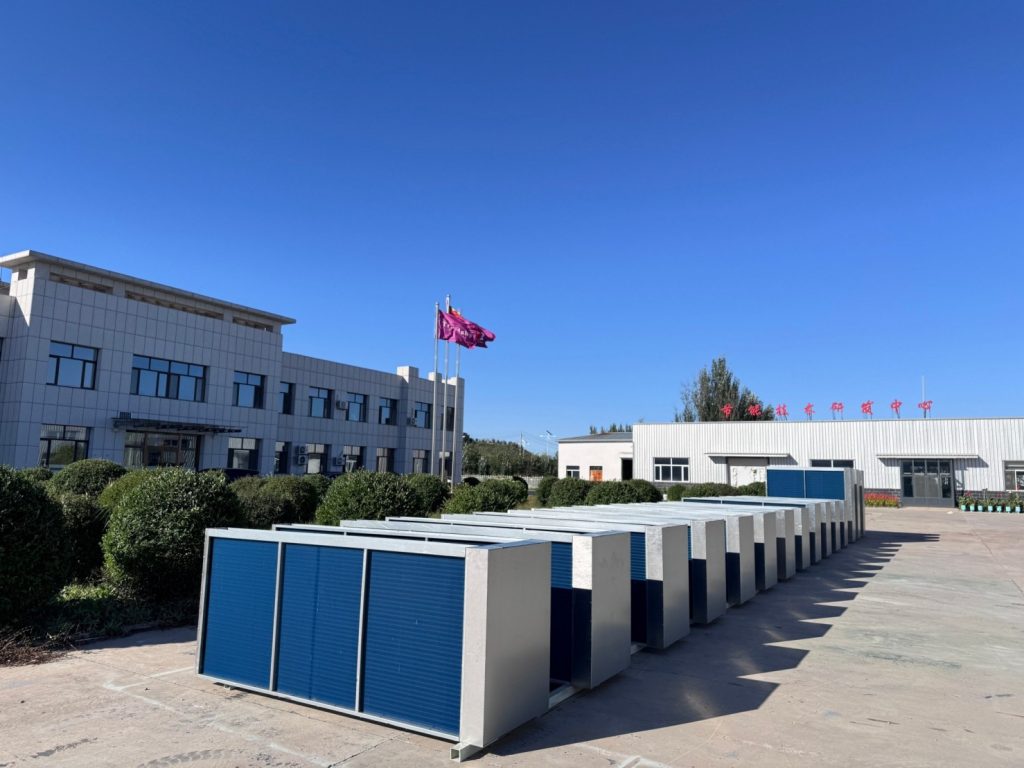
Using Recovered Heat in Paper Mill Operations
Recovering heat is only half the job. The other half is making sure it gets used.
- Match supply and demand: Direct the recovered heat to a steady demand, such as preheating dryer supply air. Without a suitable use for the heat, the recovery effort is wasted.
- Plan the integration: Consider how the new exchanger will link to the current hood, ductwork and controls. A simple connection appropriately situated is easier to run than a complicated one.
- Protect long-term performance: Regular examination and cleaning especially on the exhaust side. Fiber buildup is easier to prevent than to cure and it slowly diminishes the gains.
After a few months, compare your real savings to your original estimate. Real operating conditions are often different from the design sheet. That comparison helps you optimize the system.
Conclusion
A lot of useable heat is carried in the dryer and coating exhaust, and a heat pipe heat exchanger is a simple technique to get that heat into incoming air without mixing the two streams. The results depend on solid site data, a design that fits moist and fibrous exhaust and a clear place for the recovered heat.
At DTDX, we work on heat pipe heat exchangers for industrial heat recovery. If you are looking at your mill’s exhaust, send us your airflow and temperature data and we can help you assess the options.