

Walk downwind of the exhaust stack of practically every factory and you can feel the heated air rising. That heat takes fuel to create, and in many plants it just goes out the roof. The U.S. Department of Energy estimates that 20% to 50% of the energy consumed in industrial operations is wasted as heat.
For a plant manager, that is money going up the stack every day. A more realistic technique to reduce fuel use without disrupting the main operation is to collect industrial waste heat.
In this guide we will look at industries with good potential for waste heat recovery, how to decide if a project is worth doing, and the role of a heat pipe heat exchanger.
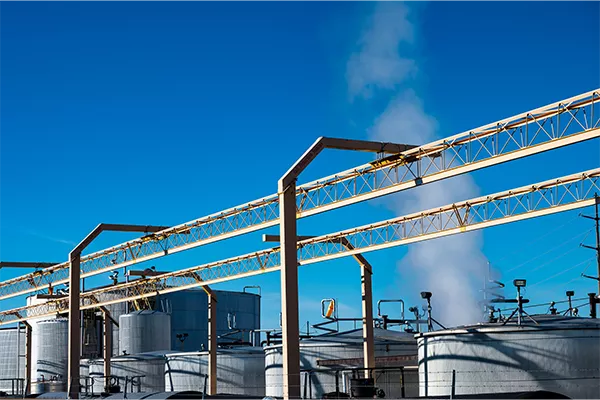
Where Does Industrial Waste Heat Come From?
Industrial waste heat is most commonly generated by equipment that burns fuel or runs hot for long periods of time like dryers, ovens, boilers, and reactors. Some of the heat is lost in the exhaust, some is lost in the cooling water, hot goods, and equipment surfaces. Waste heat recovery is often employed in the following industries:
Food Processing: Heat from Dryers, Ovens and Sterilization
The food industry operates dryers, bake ovens and sterilisers for long hours each day. All are subject to hot and often humid exhaust. The exhaust air and the fresh air in the recovery unit must be totally segregated from each other in hygienic terms.
- Dryer exhaust: Constant and warm, hence good for preheating input air.
- Baking ovens: Heat is cyclic yet exhaust can still heat process air.
- Sterilization: Hot water and steam systems can transfer heat to the entering water.
Chemical Plants: Recovering Heat from Process Exhaust
Reactors, distillation units and boilers all send hot gas to the stack. This heat can be used to preheat feedstock or support other process heating. The main concern here is the exhaust itself, since it may contain corrosive gases that affect material choice.
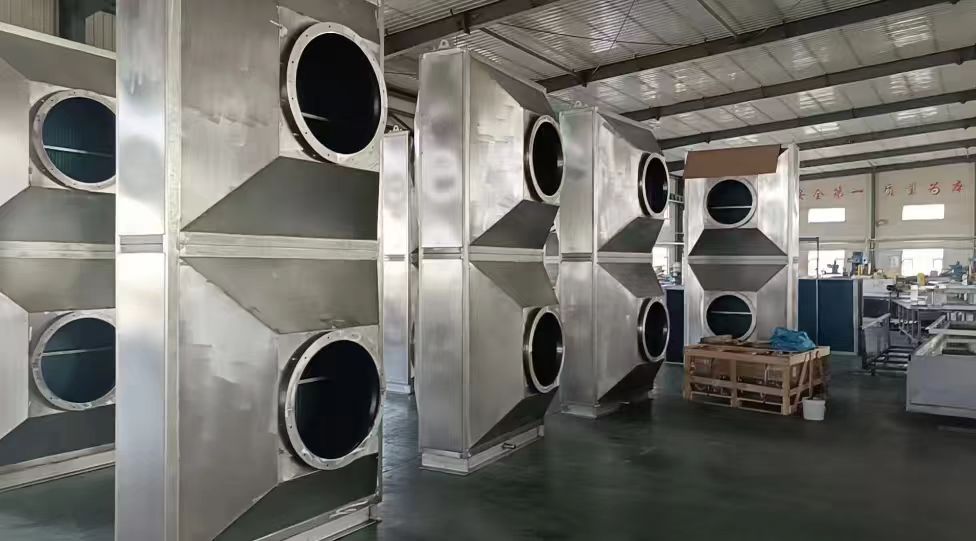
Paper Mills: Heat from Paper Dryers and Coating Lines
The dryer section of a paper machine runs around the clock and releases a large volume of hot, moist air. Coating lines add more exhaust on top of that. Recovered heat usually goes back into drying air or other process air, which keeps the loop short and simple.
Because the exhaust is humid and the machine rarely stops, paper mills are among the more promising places to look for savings. If you want to see how this works in a real mill setting, our page on paper mill waste heat recovery covers the typical heat sources and recovery approaches in more detail.
Automotive Manufacturing: Reusing Heat from Paint Shop Exhaust
Paint shops employ drying and curing ovens requiring enormous volumes of hot fresh air commonly provided from natural gas fired heating systems.
Waste heat recovery also has use beyond industry, such as in healthcare facilities. For example, a hospital ventilation system can use energy of the exhaust air to heat or cool the entering outdoor air, yet at the same time providing a constant flow of fresh air.
The table below summarizes these industries.
| Industry | Typical Heat Sources / Applications | Potential Recovery Uses |
| Food Processing | Dryer exhaust, baking ovens, sterilization equipment | Process air and water preheating |
| Chemical Industry | Reactor exhaust, distillation processes, boiler flue gas | Process heating, feedstock preheating |
| Automotive Manufacturing | Paint shop drying and curing oven exhaust | Preheating fresh air for drying ovens and reducing natural gas consumption |
| Healthcare Facilities | Suitable hospital ventilation exhaust streams | Preheating outdoor air in winter and precooling outdoor air in summer |
| Paper Industry | Paper machine dryer exhaust, coating line exhaust | Drying air and process air preheating |
When Does Waste Heat Recovery Make Sense?
A hot exhaust stack does not automatically mean a good project. Three questions help sort things out.
Does the heat source run long enough? A dryer that runs three shifts a day gives a much better return than equipment used a few hours a week. Long, steady operating hours are the first thing we look for.
Is there somewhere to use the recovered heat? Hopefully at the source. The heat has to go somewhere good. Typical alternatives include preheating combustion air, drying air or process water. And if nothing is around to be heated the undertaking becomes harder to justify.
Is the exhaust state adequate for heat recovery? There’s a lot of other stuff involved too. Temperature, flow rate, dust, moisture, corrosive content. A clean warm exhaust is an easy job. Dusty or sticky exhaust may require additional cleaning before heat recovery, as deposits can limit performance over time.
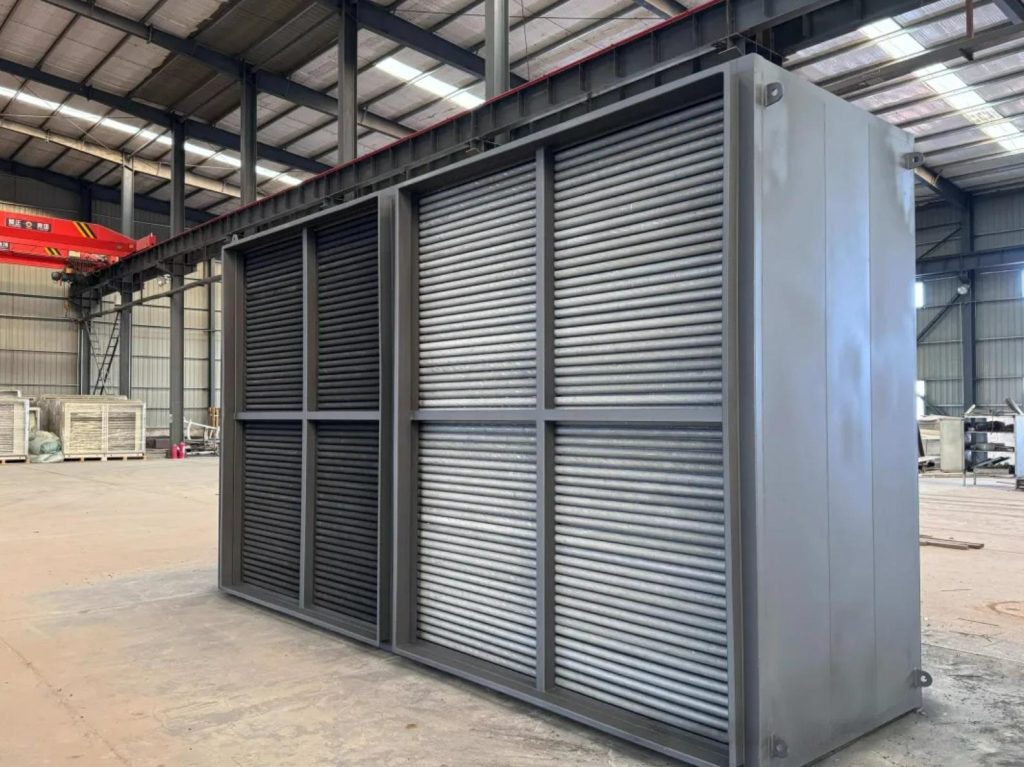
How Does a Heat Pipe Heat Exchanger Recover Waste Heat?
The heat pipe heat exchanger is one solution for this work. So here’s how it works in plain language.
- Working principle: Each heat pipe is a sealed tube containing a small amount of working fluid. The heat causes the fluid to evaporate at the hot end. The vapour then flows to the cool end and condenses, releasing heat. The liquid is then returned to the hot end and the cycle begins again.
- Heat recovery process: Hot exhaust flows over one side of the pipes and cooler air or other medium flows over the other side. The heat is transferred without mixing the two streams.
- Suitable applications: Dryer exhaust in food and paper plants, oven exhaust in paint shops, and flue gas in chemical plants are typical examples.
Not all industrial exhausts are a good fit, however. Temperature, flow rate, dust, corrosiveness and fouling all have an impact on the result. The structure and materials of the heat exchanger should be selected according to the real conditions. A design that works well for clean oven exhaust may not be suitable for sticky or corrosive gas.
Making Better Use of Waste Heat
There is potential to recover heat currently wasted in food processing, chemicals, paper, automobile and even hospital ventilation. The best projects tend to have long operating hours, a nearby use for the heat, and exhaust conditions that equipment can handle.
At DTDX, we work on heat pipe heat exchangers for industrial waste heat recovery. If you are looking at an exhaust stream and wondering whether it is worth recovering, send us your operating details and we can help you check.