

A heat pipe heat exchanger can look fine on the drawing and still underperform once it is installed. The cause is often not the unit itself. It is the way the unit sits in the duct.
Heat pipe orientation decides whether the working fluid can return to where it started. If the liquid can’t get back, the heat recovery performance drops. This guide explains why direction matters, how the angle changes heat transfer, and what to check before you install.
Why Installation Direction Matters
The heat pipe works in a closed loop. The fluid evaporates at the heated end. The vapour flows to the colder end and condenses there. Then the liquid has to return.
The liquid returns to the evaporator through gravity or capillary action, depending on the heat pipe design. In gravity-driven heat pipes, installation orientation plays a particularly important role because gravity helps the liquid flow back to the heated end.
In many HVAC and waste heat units, gravity does at least part of that work. That is why heat pipe installation orientation is a design condition and not a small detail. Two things usually decide how much direction matters:
- Gravity-driven design: The evaporator is generally at a lower position, so the liquid returns itself.
- Wick-assisted design: The wick structure helps to pull back the liquid, giving more freedom in the placement of the unit.
If you are not sure which type you have, check the product drawing before anything else.
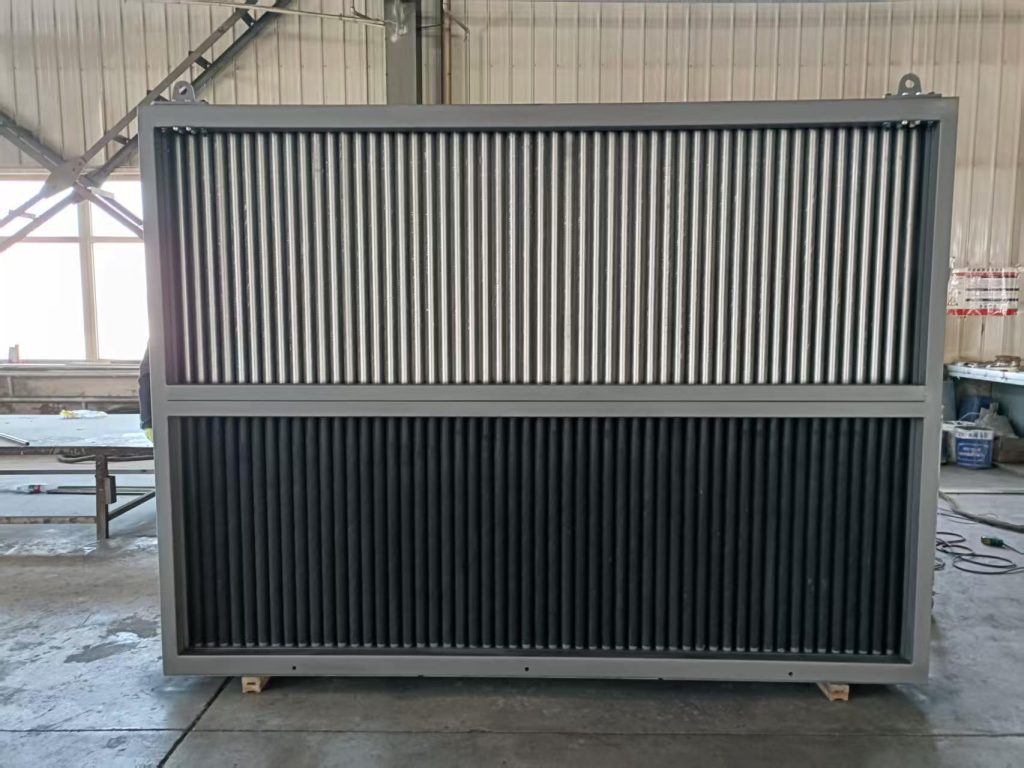
How Installation Angle Affects Heat Transfer
Stable heat pipe heat transfer depends on steady circulation. The heat pipe inclination angle changes how much help gravity gives. Tilting the unit the right way usually supports liquid return. If tipped the wrong way the return can be slowed and the evaporator can be left short of liquid.
The allowed angles depend on the design, the working fluid and the wick, so there is no single value that applies to all units. The table below provides a quick overview of the common cases.
| Installation orientation | Possible effect on heat transfer | What to check |
| Vertical, evaporator below condenser | Gravity generally assists liquid return in gravity-driven heat pipes. | Whether the design suits this direction. |
| Horizontal | Gravity provides less assistance with liquid return along the pipe. | Whether the design supports horizontal installation. |
| Inclined | Performance depends on the angle and direction of inclination. | The permitted angle range and installation requirements. |
*The table is a starting point. The manufacturer’s installation requirements should always have the final say.
Problems Caused by Incorrect Heat Pipe Orientation
If the direction is wrong, the unit usually doesn’t just fail. It just runs cooler than you would expect making the source more difficult to locate. Signs to look for are:
- Weak liquid return: The fluid accumulates at the incorrect end and circulation is slowed.
- Dry evaporator: Not enough liquid reaches the hot end; heat pickup drops.
- Reduced heat recovery: Restricted liquid return can reduce heat transfer, resulting in less heat being recovered than expected under the same operating conditions.
- Uneven temperature: Some parts of the core are colder or hotter than others.
A common pattern is that people check the fins and the airflow first. The tilt of the core often gets looked at last, and by then the system has been running below its potential for a while.
What to Check Before Installing a Heat Pipe Heat Exchanger
A few minutes checking on site can save a lot of trouble later:
It is easier to walk through this list with the installer before the unit goes into the duct than to make adjustments subsequently.
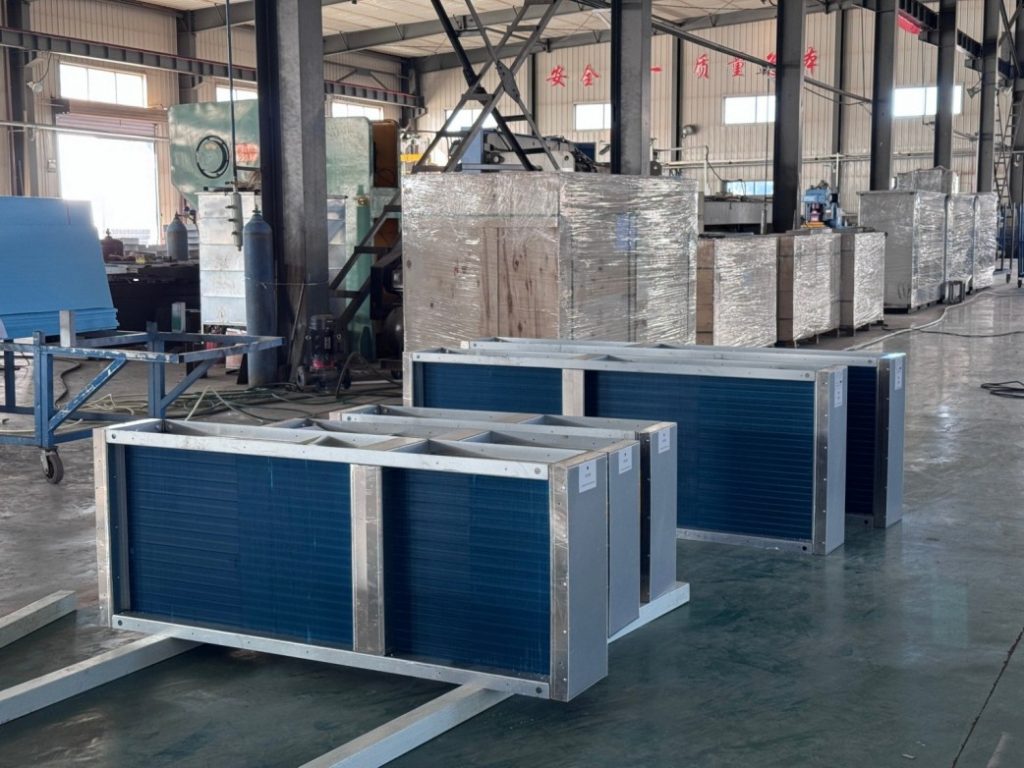
How Heat Pipe Design Affects Installation Flexibility
A tall vertical coil will not be suitable for every project. The placement of a unit can be limited by ceiling spaces, plant rooms and retrofit jobs. In these cases, the internal design of the heat pipe makes a real difference.
The DTDX 3D Capillary Heat Pipe Heat Exchanger uses gravity to support working fluid circulation in vertical installations and a special internal groove structure to provide capillary force in horizontal or inclined installations. This design allows greater flexibility when planning heat recovery systems for commercial buildings and industrial waste heat applications.
However, the permitted installation direction should still be confirmed with the manufacturer based on the specific project requirements.
Check the Installation Direction Before Startup
Orientation is a neglected aspect, although it has an influence on the heat recovery of a heat pipe heat exchanger. Confirm the design type, allowable angle and evaporator side before fixing the unit in place and verify again before start up.
At DTDX, we help project teams review installation direction together with airflow and space limits. If you are planning a heat recovery project, send us your layout and we will help you find a suitable setup.