

Waste heat recovery is commonly achieved using heat pipe heat exchangers due to their high effectiveness and passive operation. However, their different operating principles and structures can lead to misunderstandings about cost, maintenance, reliability, heat transfer direction, and pressure drop.
Such misconceptions may influence the choice of equipment and the desired performance. This guide addresses 5 common myths and explains what you truly need to know before assessing a heat pipe heat exchanger.
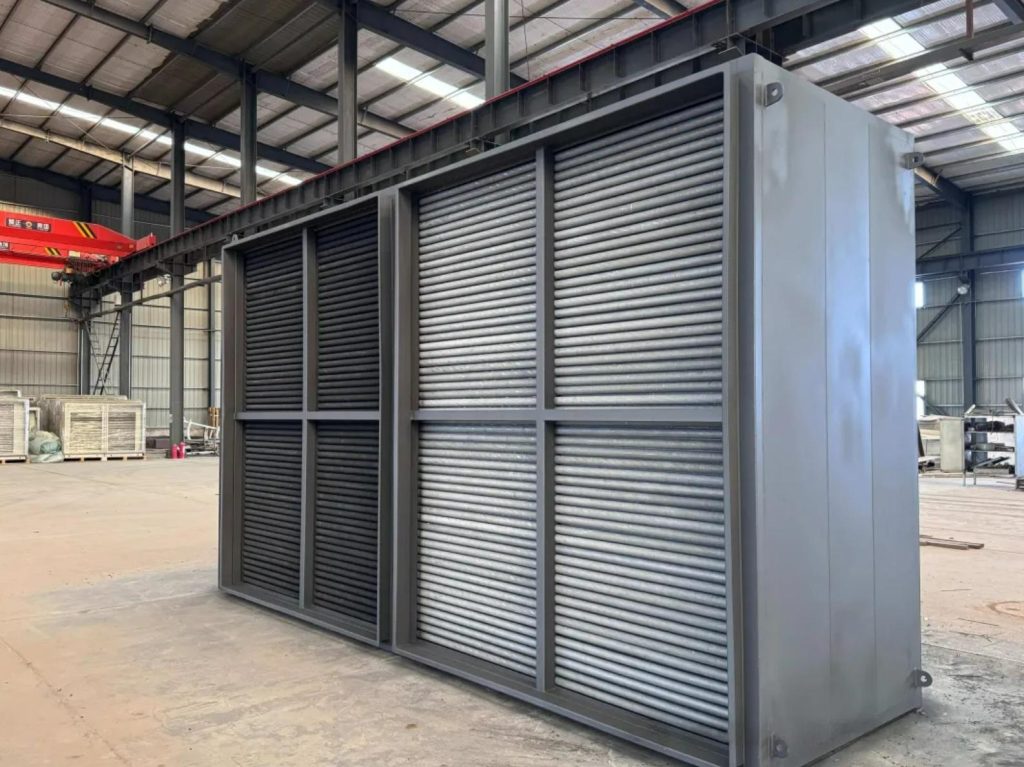
Myth 1: Heat Pipe Heat Exchangers Are Too Expensive
The misconception:
Heat pipe heat exchangers need more specialised materials and fabrication methods than do standard shell and tube or tubular heat exchangers. So many people tend to think that a higher upfront cost means they are less cost-effective.
The reality:
The original purchase price is merely fraction of the total cost. A more practical way to look at a heat pipe heat exchanger is to assess the total life cycle cost, including energy savings, operating cost, maintenance and length of service life.
There are several reasons why a heat pipe heat exchanger could be economically interesting:
- High heat transfer capability: Heat pipes can transfer heat efficiently over relatively small temperature differences, allowing heat pipe heat exchangers to achieve effective heat recovery within a compact structure.
- Energy-saving potential: In suitable applications, a heat pipe heat exchanger recovers waste heat from exhaust gases, process air or other heat sources which can reduce fuel or electricity usage and shorten the payback period.
- Lower operating and maintenance costs: Heat pipes have no internal mechanical working parts, hence mechanical wear is reduced. In appropriate designs, individual heat pipes or modules can be inspected and replaced without replacing the entire unit.
- Adaptability to demanding applications: Properly designed systems can be built to operate over a range of temperatures, corrosive fluids and various heat transfer streams.
So high beginning cost does not automatically mean a high overall cost. The key is the amount of useable energy which the system can recover during its service lifetime.
Myth 2: High Efficiency Means High Maintenance
The misconception:
The more efficient a heat pipe heat exchanger is in transferring heat, the more sophisticated it is in structure, and the more often it has to be maintained.
The reality:
Heat pipe technology is largely passive. A traditional heat pipe heat exchanger does not have any pumps, compressors or other mechanical moving parts, which helps reduce mechanical wear and routine maintenance.
But less upkeep doesn’t equal no maintenance. Routine maintenance is largely concerned with maintaining heat-transfer surfaces clean and monitoring operating conditions.
- Cleaning: Dust, scale or carbon deposits can collect on the fins on the exhaust-gas side.
- Inspection: Unusual temperature variations or changes in heat transfer performance can be indicative of problems with individual heat pipes or the system as a whole.
- Performance monitoring: The operating characteristics like temperature distribution, pressure drop etc. can be used to identify problematic conditions.
Basically, maintenance is just maintaining the heat-transfer surfaces clean and ensuring that the equipment is operated within its design parameters.
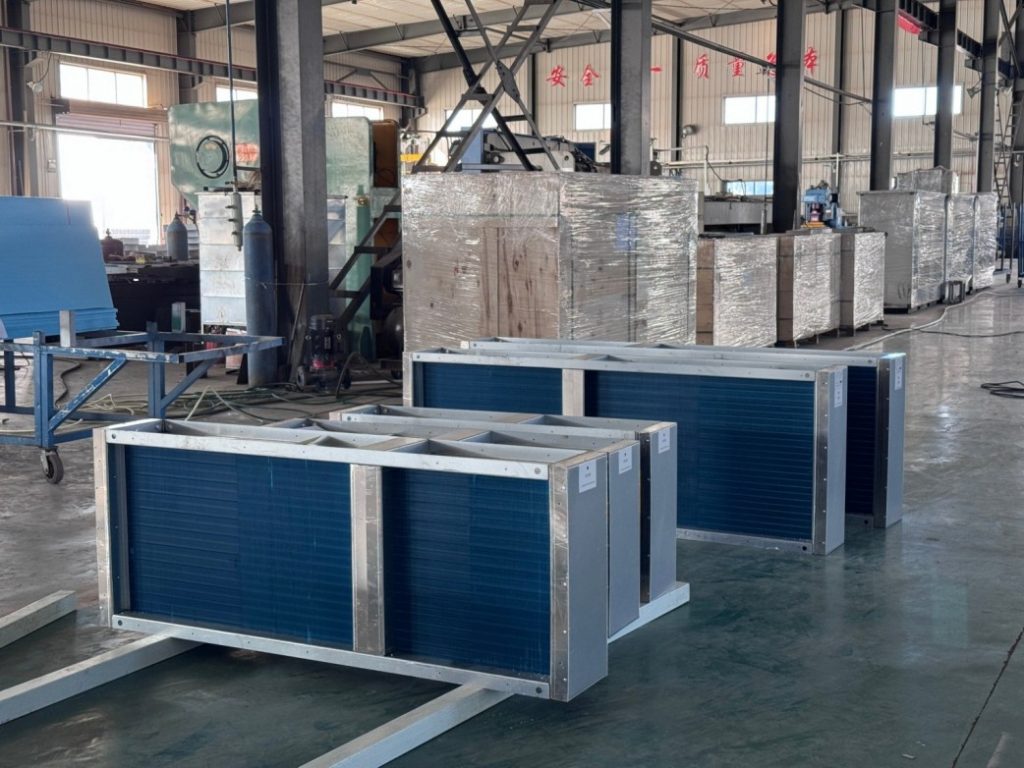
Myth 3: One Failed Heat Pipe Means the Whole Unit Must Be Replaced
The misconception:
A heat pipe heat exchanger is often considered a single integrated unit. If one heat pipe leaks or fails the whole heat exchanger will not work, the equipment will need replacing.
The reality:
Each heat pipe provides an individual heat-transfer path, so the failure of one or a small number of heat pipes does not necessarily stop the entire heat exchanger from operating.
In designs that allow individual heat pipe replacement, faulty pipes or modules can be serviced without replacing the entire unit. This can reduce downtime and repair costs.
In heat pipe heat exchangers, adequate heat transfer margin can be provided to limit the impact of a small number of faulty pipes.
The key point is that an individual heat pipe failure does not necessarily mean complete system failure.
Myth 4: Heat Pipe Heat Exchangers Can Only Transfer Heat in One Direction
The misconception:
The evaporator and condenser sections are fixed when the heat pipe heat exchanger is manufactured. Therefore, heat can only move from the designated hot side to the designated cold side, and the heat transfer direction cannot be changed.
The reality:
Heat pipes transfer heat from the hotter side to the colder side, but a heat pipe heat exchanger is not necessarily reversible. Whether it can operate effectively when the hot and cold streams are reversed depends on the heat pipe design, orientation, working fluid, and operating conditions.
However, this does not mean every heat pipe heat exchanger can simply be reversed. Whether a system can operate under reversed temperature conditions depends on its design, orientation, working fluid, and flow arrangement. There are some important limitations:
- The flow rate, temperature difference, and pressure conditions must remain within the design range.
- The heat pipe orientation and working fluid must be suitable for the intended operating mode.
- Some specialized heat pipe heat exchangers are designed for a specific temperature range and cannot simply be reversed.
- Not every heat pipe product supports bidirectional operation.
Therefore, some properly designed heat pipe systems can operate with the heat-transfer direction reversed under suitable conditions, but this should not be assumed for every heat pipe heat exchanger.
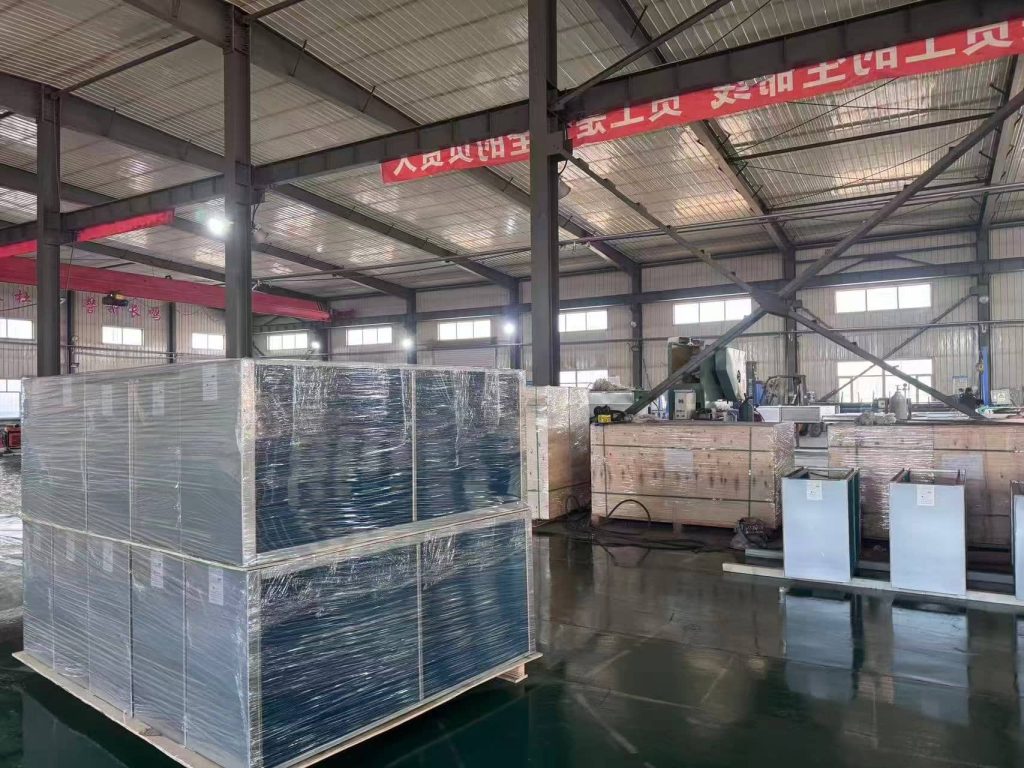
Myth 5: Heat Pipe Heat Exchangers Have High Pressure Drop
The misconception:
Because a heat pipe heat exchanger contains many tubes and fins, some users assume that it must create a large amount of airflow resistance. Compared with shell-and-tube or plate heat exchangers, they may expect higher pressure drop and lower heat recovery performance.
The reality:
The pressure drop is not an inherent drawback of heat pipe heat exchangers. It is mostly dependent on the flow velocity, fin density, flow-path, heat-transfer area and surface cleanliness.
With excellent design, the heat pipe heat exchanger may obtain good heat transfer performance and keep the pressure drop in an acceptable range. However, resistance during operation can be increased by dust or deposits on heat-transfer surfaces, inappropriate distribution of airflow, and improper equipment sizing.
So, in the selection and design of a heat pipe heat exchanger, both heat recovery performance and pressure drop should be addressed. The objective is to have a reasonable heat recovery with a minimum of air resistance.
What to Consider When Choosing a Heat Pipe Heat Exchanger
All five fallacies above are based on seeing a heat pipe heat exchanger from only one perspective—initial cost, maintenance, individual component failure, heat transfer direction, or pressure drop. In practice, a better evaluation should consider the entire system and its operating conditions.
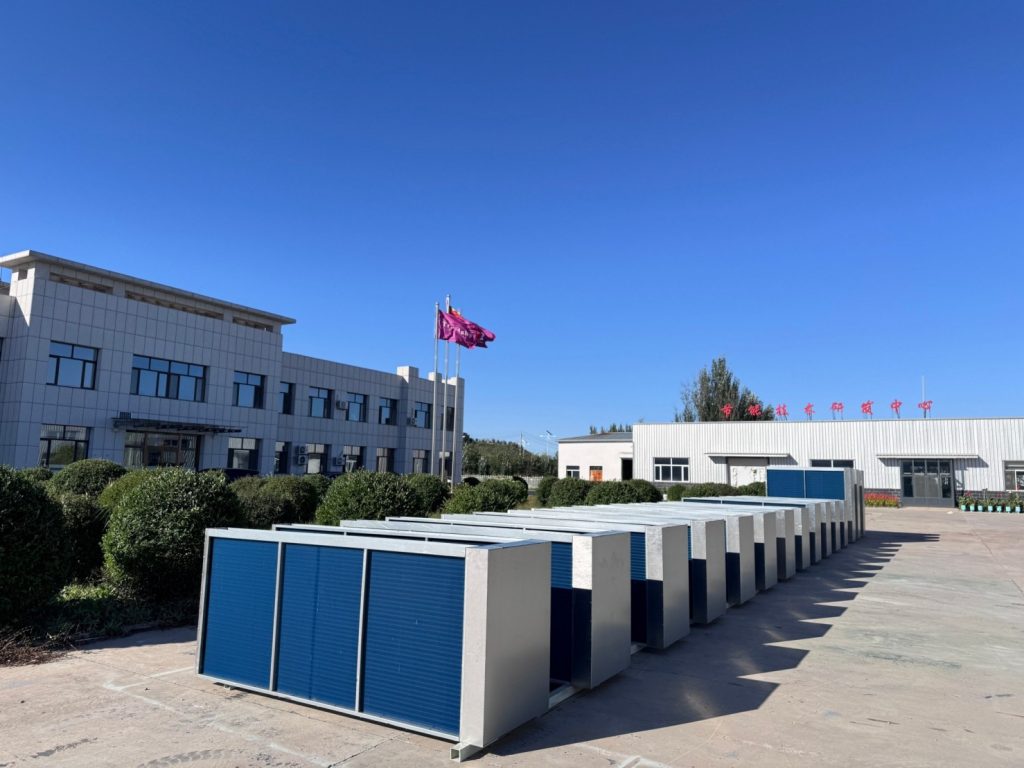
1. Customization Matters
There is no universal heat pipe heat exchanger that fits every application. Temperature, pressure, airflow, medium properties, corrosion risk, and heat load should all be considered during the design process.
2. Look Beyond Heat Recovery Efficiency
High heat recovery rate is significant, but it is not the only performance metric. Also important are pressure drop, service life, maintenance requirements, operating circumstances, and total energy savings.
3. Independent Heat Pipe Design Improves Serviceability
Each heat pipe operates independently thus a failure of one pipe does not always cause the complete heat exchanger to shut down. With the right designs it is also possible to replace individual components, decreasing downtime and repair costs.
4. Evaluate the Full Lifecycle Cost
The upfront purchase price is only part of the overall cost. Evaluate the heat pipe heat exchanger in terms of energy savings, operating expenses, maintenance and service life, and the overall return on investment.
Final Thoughts
Heat pipe heat exchangers are not simply expensive heat exchangers with complicated structures. Their value comes from the combination of passive heat transfer, efficient waste heat recovery, low mechanical wear, and flexible system design.
A clear understanding of these factors makes it easier to determine whether a heat pipe heat exchanger is the right solution for your waste heat recovery application—and to get the performance you actually expect from the system.
Looking for a heat pipe heat exchanger for your waste heat recovery application? DTDX can help you find a solution suited to your operating conditions and heat recovery needs, contact us to discuss your project.