

When you try to get an estimate for a heat pipe heat exchanger, you often face an unexpected wall. You put out an inquiry and before you know it the manufacturer is firing back a long list of questions you didn’t expect. The project stalls, follow-up emails build up, and a quote that should have taken two days takes two weeks.
This is because a heat pipe heat exchanger is never off the shelf. Each device is sized and designed for your particular operating conditions. Even a well-resourced manufacturer can’t provide you an accurate quote or significant delivery schedule without the correct input data.
This guide will tell you what to prepare before you contact a manufacturer so the first discussion can focus on your actual project requirements.
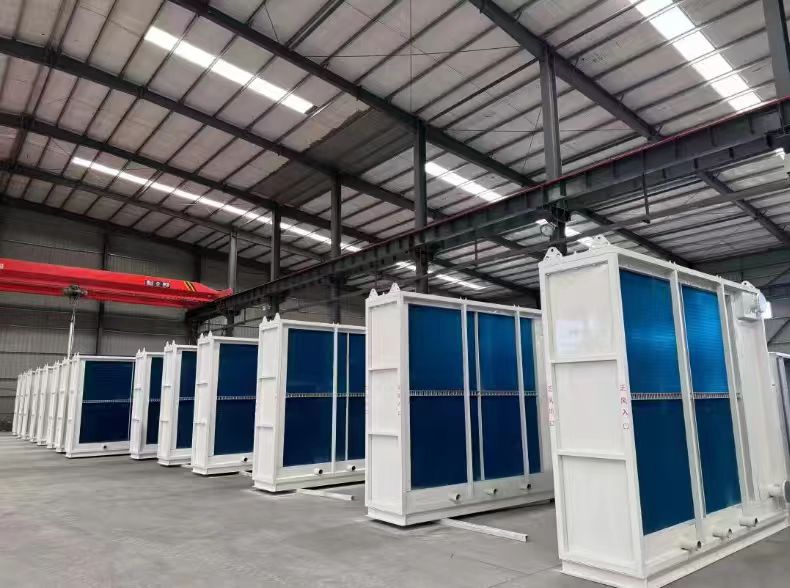
Why Project Details Matter for a Heat Pipe Heat Exchanger Quote
A heat pipe heat exchanger transfers heat between two separate airstreams through sealed heat pipes. The working fluid inside the pipes evaporates on the warmer side and condenses on the cooler side, allowing heat to be transferred without direct mixing of the two air streams.
The two air streams remain separated, with no direct air mixing during normal operation. The heat transfer takes place through phase-change physics. The airflow rate, temperatures, pressure conditions, and air properties of your application all affect the performance and selection of the unit.
That’s why a manufacturer requires real project data, not broad assumptions. If the inlet temperature or the volume of air flow is estimated incorrectly, the unit could be inadequate, oversized or simply not configured for the job. Having the right information up front also gives the engineering team adequate context to call out potential difficulties early, such condensation danger or unique materials, before they become problems on-site.
Start With Airflow and Operating Conditions
The basis for selecting a heat pipe heat exchanger is the airflow rate, temperatures, and operating conditions on both air sides. These factors help determine the unit size, heat pipe configuration, and airflow arrangement.
Here are the key data points to prepare and why they matter:
| Information | What to Provide | Why It Matters |
| Cold-side / supply-side airflow | Airflow rate in m³/h or Nm³/h, plus flow conditions if known | Helps determine the required heat exchanger size and airflow arrangement |
| Hot-side / exhaust-side airflow | Airflow rate in m³/h or Nm³/h, plus flow conditions if known | Affects heat transfer, air-side balance, and heat recovery |
| Operating pressure | Static or operating pressure, if available | Helps the manufacturer evaluate actual airflow conditions and pressure drop |
| Allowable pressure drop | Maximum acceptable pressure drop on either air side, if specified | May affect the heat exchanger size and configuration |
| Fresh air inlet temperature | °C | Defines the cold-side operating condition |
| Exhaust inlet temperature | °C | Defines available waste heat |
| Target outlet temperature | °C | Helps determine required heat recovery |
*If you provide a standard flow rate such as Nm³/h, indicate the reference conditions used. For actual flow rates in m³/h, provide the operating temperature and pressure where available.
Pressure drop is worth including if your system has a strict fan or duct pressure limit. A heat pipe heat exchanger adds some resistance to the airflow, so the manufacturer may need to balance heat recovery with the allowable pressure drop. If you already have a maximum pressure drop requirement, include it with your quotation request.
If you are unsure about some of these values, provide your best estimate and indicate that it is an estimate. This is especially useful for airflow and temperature data. If operating pressure or allowable pressure drop is not yet available, simply let the manufacturer know. A reasonable estimate with some project context is more useful than leaving every field blank.
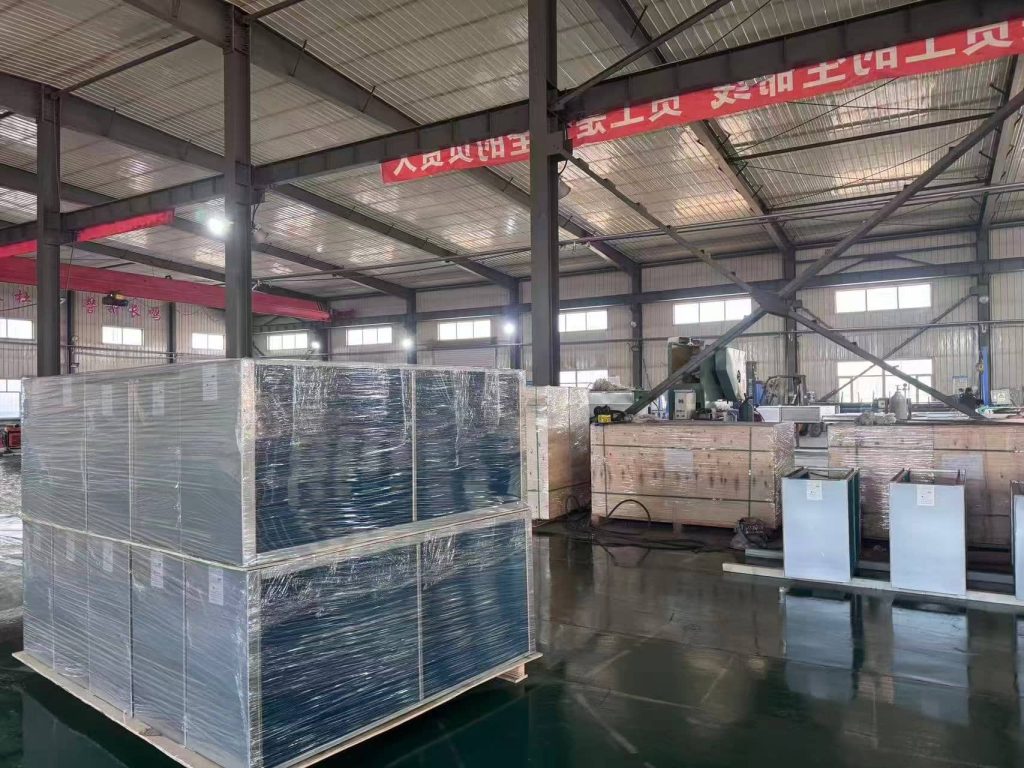
Describe the Exhaust or Waste Air
The condition of your exhaust stream is just as important as its temperature. Clean, dry return air is nothing like humid process exhaust or air with particles and chemical vapors. Sharing this information early on lets the manufacturer select the correct fin spacing, surface treatment and protective coatings.
When talking about your exhaust or waste air, aim to incorporate:
- Gas type: Normal ventilation air, industrial process exhaust, flue gas or something else entirely.
- Humidity or dew point: High humidity can increase the risk of condensation. This information helps the manufacturer determine whether drainage or other measures are needed.
- Dust and particulates: Heavily loaded airstreams will generally require a wider fin pitch or filter arrangements to avoid fouling over time.
- Corrosive components: Always note acids, solvents, or other chemical vapors as this has a direct impact on what materials can be employed.
Even if you don’t know the exact concentrations, explaining the process context (say, “return air from a spray painting booth” or “exhaust from a central sterilization room in a hospital”) gives the engineering team enough background to ask the necessary follow-up questions.
Check the Space Available for the Heat Exchanger
Installation space is a practical requirement that usually gets forgotten until late in the design phase. Heat pipe heat exchangers come in different sizes and configurations, so the available installation space can affect the design and connection arrangement.
Measure the available aperture before you ask for a quote, and note any hard limits: maximum width, height and depth, duct connection sizes, and any space needed around the unit for access and maintenance. If you already have AHU designs or duct layout drawings, sharing these is the best approach to express spatial needs. This can save several rounds of back-and-forth during the selection process.
Set Your Performance and Material Requirements
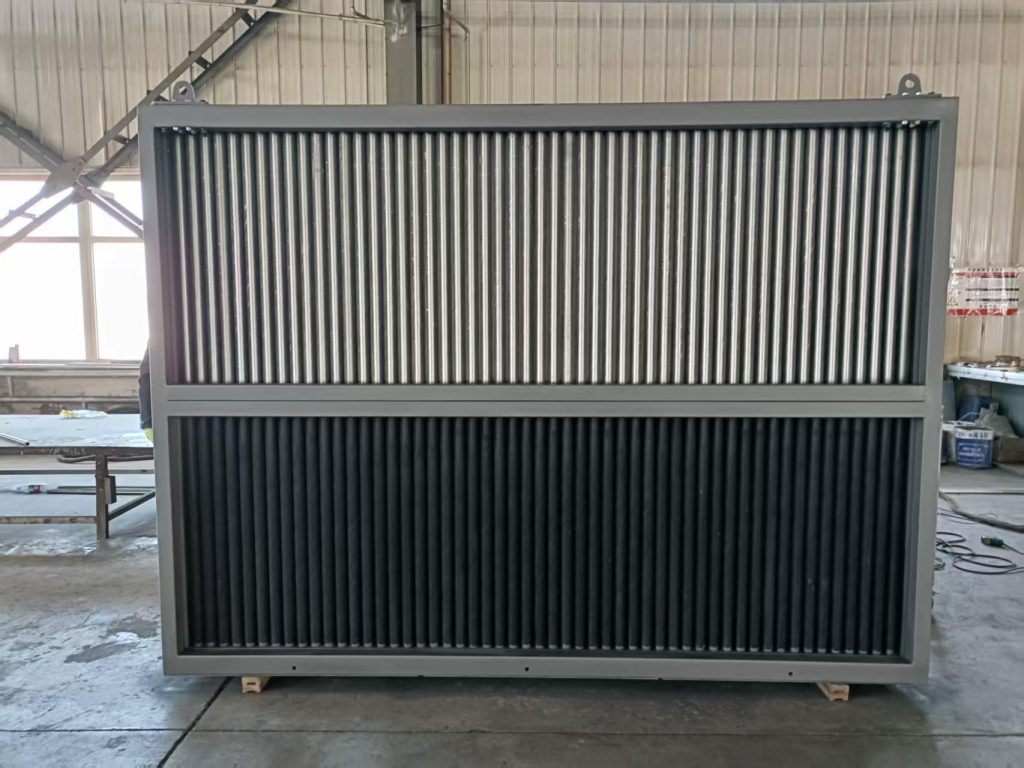
Performance
Define what you want the heat exchanger to be. This might be a required supply air outlet temperature, a minimum heat recovery efficiency, a specific amount of thermal energy to recover, or a maximum allowable pressure drop. If there is a maximum allowable pressure drop, include it in the inquiry because it can affect the heat exchanger design.
You do not need to carry out a full heat duty calculation yourself. In most cases, providing your basic operating conditions is enough for an experienced manufacturer to run an initial selection and give you a recovery estimate. The important thing is to express the goal clearly, even if the number is approximate.
Materials
A common configuration for HVAC and general ventilation applications is copper tubes with aluminum fins. If your exhaust is corrosive or the operating environment is exceptionally demanding other choices may be required such as stainless steel tubes and anti-corrosion black foil. Mention any constraints or special material requirements at the outset of your project.
Heat Pipe Heat Exchanger Quote Checklist
Before emailing your inquiry please use this checklist. You don’t need to submit all of the items, however the more you can offer the faster and more accurate the quotation can be.
| Category | Information to Prepare | Importance |
| Airflow | Fresh air and exhaust air flow rates | Essential |
| Temperature | Inlet temperatures and target outlet temperatures | Essential |
| Pressure | Operating pressure and allowable pressure drop | Important |
| Exhaust | Gas type, humidity, dust, impurities | Essential |
| Corrosion | Corrosive components or special media | If applicable |
| Dimensions | Available installation space | Essential |
| Performance | Heat recovery target and allowable pressure drop | Preferred |
| Materials | Tube, fin, and casing material requirements | If specified |
| Layout | Airflow direction and unit arrangement | Important |
| Quantity | Number of units required | Essential |
| Drawings | AHU or duct drawings, or existing equipment drawings | Helpful |
If you do not have all of the items listed, do not wait until you have them all. Send the facts you have and explicitly note what is not yet known.
What If You Don’t Have All the Data Yet?
It happens a lot more often than most people think. When teams start collecting quotations many projects are in early design and some parameters are still under review or awaiting confirmation from other stakeholders.
The practical answer is to send what you have available. A manufacturer with real project experience will deal with incomplete data, tell you what they still need and often give you a tentative range that is appropriate for budgeting. The most frustrating part is waiting for all the details to be set before making contact. You also get the chance to acquire some technical opinion that may truly affect your design decisions if you reach out early.
Ready to Request a Heat Pipe Heat Exchanger Quote?
Preparing the information above before your first inquiry makes the whole process smoother, from initial evaluation through final selection and delivery.
DTDX has been manufacturing heat pipe heat exchangers for over 18 years, serving projects across commercial buildings, industrial facilities, healthcare, and more. If you are ready to request a quotation, or would like to discuss your project requirements, DTDX can help review the available information and determine the appropriate heat pipe heat exchanger configuration.