

Selecting a heat pipe heat exchanger for a corrosive exhaust environment is not as straightforward as selecting a typical off-the-shelf unit. The exhaust chemistry, temperature profile, and moisture behavior all factor into the actual lifetime of a system. Get the material selection wrong, and a well-planned system can suffer premature corrosion and a much shorter service life.
This guide covers how to approach heat pipe material selection when corrosive exhaust is involved. We will discuss the difficulty in these situations, how to read the exhaust before making any decision, and how to think about tube and fin materials as two independent choices.
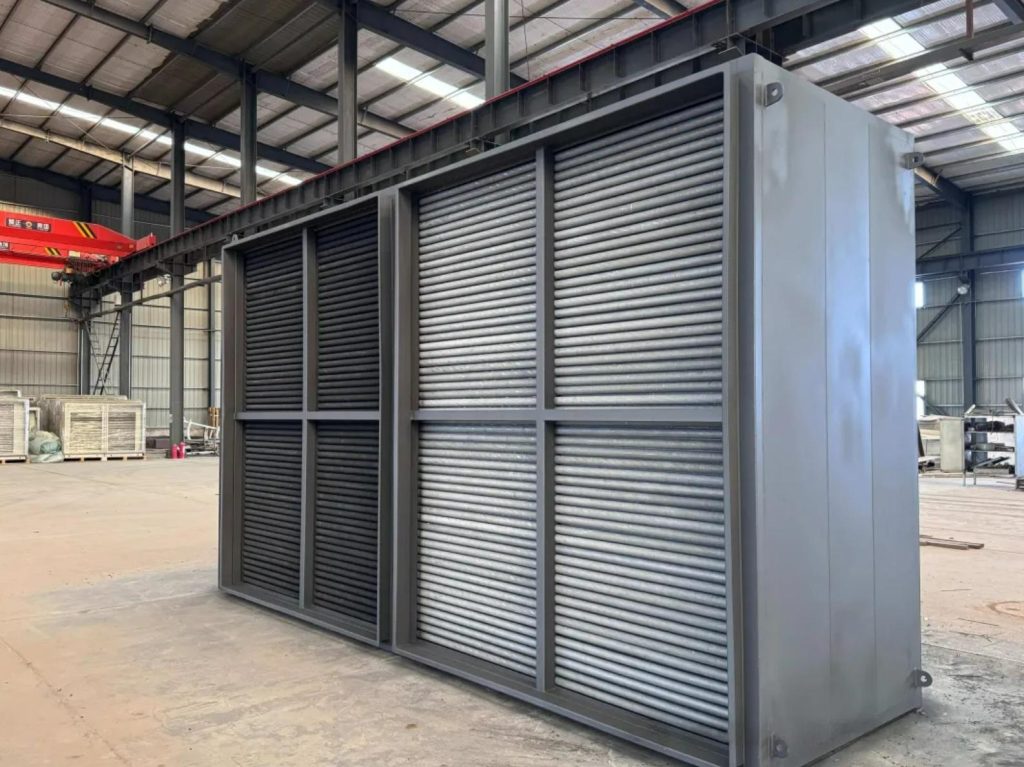
What Makes Corrosive Exhaust Harder to Handle?
Industrial exhaust is produced by combustion boilers, chemical processes and waste incineration . It usually contains sulfur oxides, nitrogen oxides, chlorides and moisture in different combinations. Not only are these substances harsh, but the same exhaust can act quite differently depending on temperature and condensation behavior.
A well-known example is the condensation of sulfuric acid in flue gas systems. When the sulfur-containing exhaust gas cools below the acid dew point (often between 120°C and 150°C, depending on the SO₃ concentration and water vapor content), sulfuric acid begins to develop on the metal surfaces.
A material that works perfectly at high temperatures may corrode rapidly when condensation starts. This is why the same carbon steel tube that performs well in a dry, high temperature flue might fail quickly in a lower temperature section of the heat recovery system when condensation is taking place. The exhaust conditions are what drive material behavior, not the material alone.
Check the Exhaust Conditions First
Before selecting any heat pipe materials, it helps to have a clear picture of what the exhaust actually looks like. Three things are worth pinning down early:
- Chemical composition: What acids, chlorides, or reactive compounds are present? Sulfur content and chloride levels interact with metals in very different ways and cannot be treated the same.
- Temperature range: Both the peak and minimum operating temperatures matter. The minimum is especially important because it determines whether condensation is likely to occur and what compounds will form when it does.
- Moisture and flow conditions: Wet exhaust accelerates corrosion significantly compared to dry exhaust at the same temperature. High flow velocities can also add erosion on top of chemical attack, which compounds the problem over time.
Without this information, any material recommendation is essentially a guess.
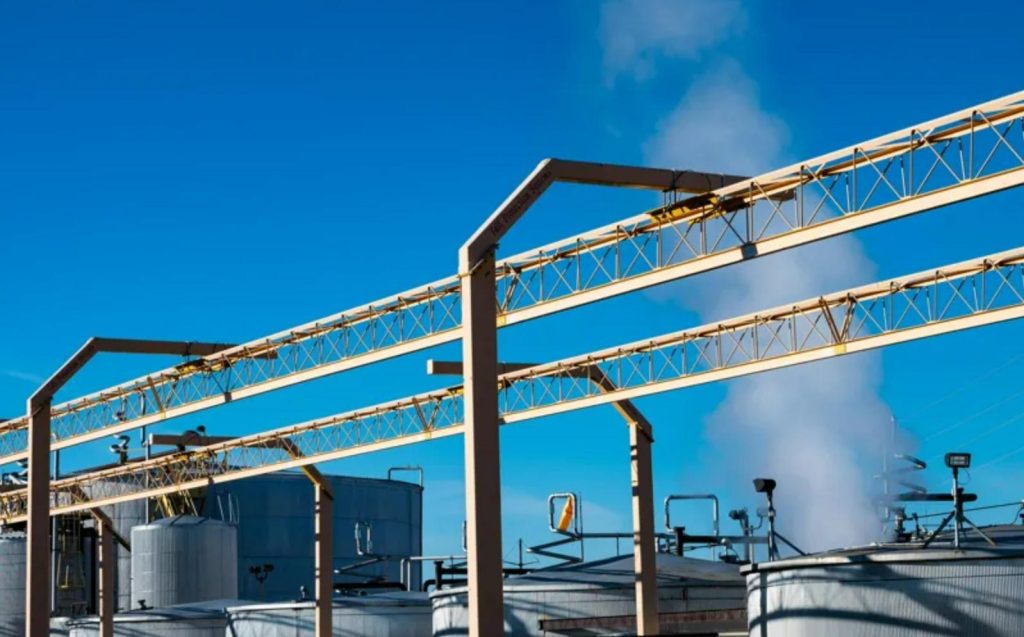
Consider the Tube and Fins Separately
One aspect that often gets overlooked in heat pipe material selection is that the tube and fins do not have to be made from the same material. They face different mechanical and thermal conditions, and they can be specified independently based on what each component actually needs to handle.
Heat pipe tube: The tube is the functional core of the system. It contains the working fluid and transfers heat between the hot and cold sides. On the exhaust-facing surface, it is exposed to corrosive substances in the exhaust, including condensate.
The tube material must also be compatible with the heat pipe’s internal working fluid, so external corrosion resistance is only one part of the material selection process. Tube failure can be costly, as it generally involves replacing the entire unit, making the proper tube material an important part of the overall design.
Fins: Fins are there to extend the heat transfer surface area. Because they are thinner and more exposed, they can corrode faster than tubes under identical conditions. In some exhaust environments, specifying a more corrosion-resistant fin material is worth the added cost, even if the tube material is already providing reasonable protection.
In a customized heat pipe heat exchanger, the tube and fin materials need not be the same. Depending on the context of operation, different combinations can be explored and this flexibility usually leads to a better overall trade-off between durability and cost.
Common Materials for Heat Pipe Components
When it comes to selecting corrosion resistant materials for heat exchangers handling aggressive exhaust, each common option has its strengths and its limitations. The table below gives a quick reference:
| Material | Main Strength | Key Consideration |
| Copper | High thermal conductivity | Check compatibility with the exhaust chemistry before specifying |
| Aluminum | Lightweight with good thermal performance | May be unsuitable for some corrosive exhausts, particularly acidic ones |
| Carbon / low-alloy steel | Strong and cost-effective | Corrosion resistance depends on the specific grade and exhaust conditions |
| Stainless steel | Good corrosion resistance | Performance varies by grade; higher cost and lower thermal conductivity than copper |
Specialty options such as ND steel, a low-alloy steel developed for improved resistance to acid dew point corrosion, are also used in certain flue gas applications where standard carbon or low-alloy steels may not provide sufficient protection and stainless steel may be difficult to justify on cost.
DTDX offers stainless steel, ND steel, copper, and aluminum as material options for customized heat pipe solutions. The right combination depends on the actual operating conditions, not simply on the material itself.
Balance Corrosion Resistance and Heat Transfer
There is a real trade-off here that comes up in almost every corrosive exhaust project. Corrosion resistance and thermal conductivity are both important, but different materials offer different combinations of these properties.
Stainless steel can offer good corrosion resistance in many exhaust environments, but its performance depends strongly on the specific grade and exhaust chemistry. Copper is thermally very good but may not fare well in some high chloride or acid situations. Aluminum is somewhat in the center, although it has its own compatibility restrictions in severely corrosive situations.
The purpose is not to pick the best corrosion resistant material in isolation. It is to choose the material combination appropriate for the real exhaust conditions, keep the heat transfer performance in acceptable range and fit in the project budget. The actual engineering judgment comes in finding a workable balance.
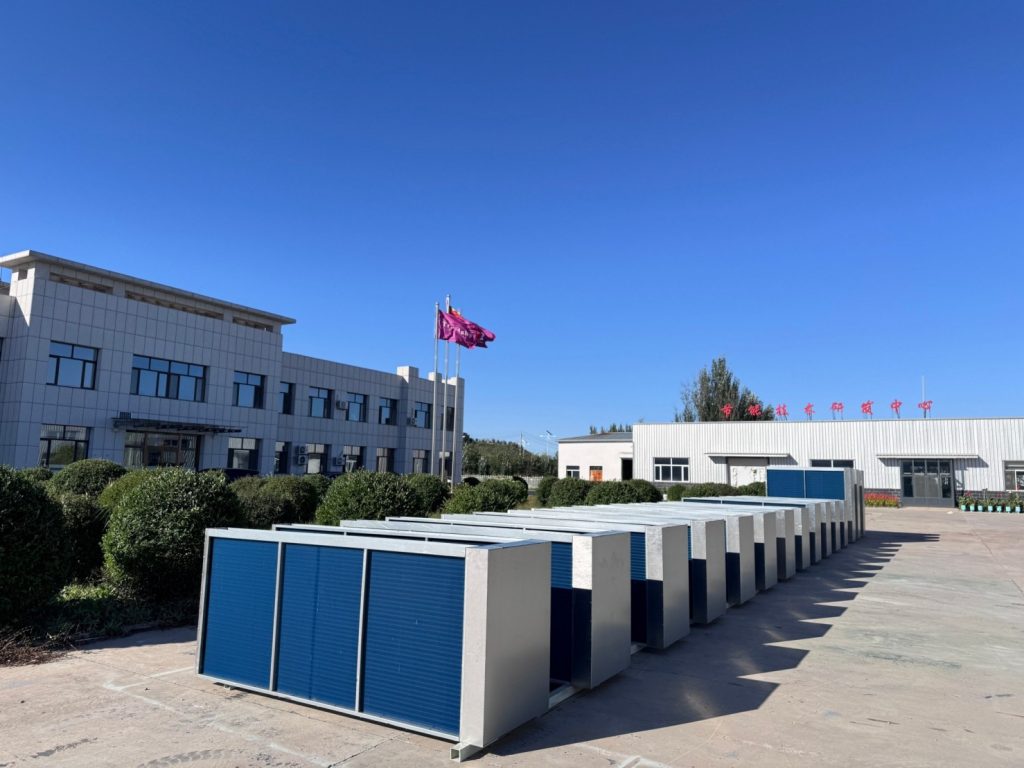
A Simple Checklist for Material Selection
If you are working through a material decision for a heat pipe heat exchanger in a corrosive exhaust application, these questions are a useful place to start:
Getting clear answers to these questions before specifying materials can save a significant amount of trouble during the service life of the system.
Material selection for corrosive exhaust applications is not a decision that can be made without understanding the operating environment in detail. Making the proper decision needs looking at the whole picture: what the exhaust includes, how the system will react across its temperature range, and what trade-offs are acceptable for a given application.
If you are working on a project that involves corrosive flue gas or industrial exhaust, DTDX‘s team is happy to help you work through the specifics. Contact us to discuss your operating conditions and find a suitable material combination for your system.ustrial, and medical applications, we can help you find the right balance. Contact us for a free technical consultation.