

Each time you light up a natural gas boiler some of the energy you pay for quietly escapes through the exhaust stack. Depending on the boiler design and whether heat recovery equipment is installed, flue gas temperatures may still range from around 120°C to well above 200°C, leaving significant recoverable energy. That’s a lot of money and a lot of environmental impact for institutions that operate boilers 24/7.
One of the most practical energy improvements available to the industrial operator today is the reduction of flue gas heat loss. In this article we explain why natural gas boilers lose heat, how the heat pipe heat exchangers work to recover that heat, where you may utilize the recovered energy and what you need to think about before committing to an installation.
Why Does a Natural Gas Boiler Lose So Much Heat?
Most boiler operators know that their system is not 100% efficient, but the size of the losses through the flue gases is typically surprising once the data are presented.
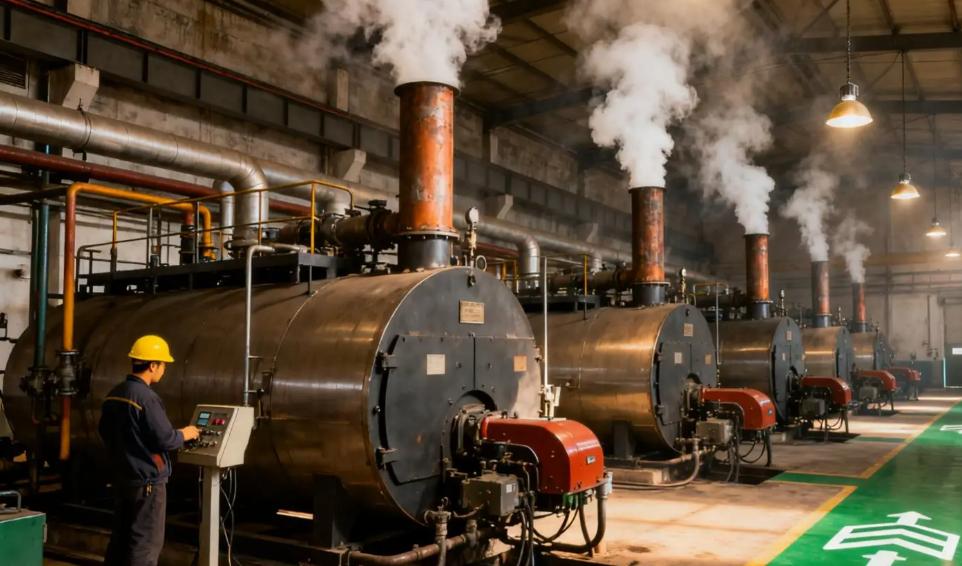
Where the Heat Goes
The main heat exchange in a boiler is between the combustion gases and the boiler water or steam. When gas is burnt inside the boiler. That’s how it’s supposed to function. The question then becomes what happens with the exhaust after that. The gases leaving the combustion chamber still have a lot of thermal energy as they pass through the flue system and exit the building.
The hotter those gases are when they are discharged the more energy is lost in every hour of operation. If all other things are equal, a system venting at 250°C is giving off much more heat than one venting at 150°C.
Why This Loss Matters
There are more direct implications than you may realise. More natural gas has to be burnt to compensate energy lost in the stack which directly increases your fuel expenditure. Get that daily loss and multiply it by a full year of operation and even a tiny efficiency gap adds up to a substantial sum.
Beyond the expense, each unit of gas that is needlessly burnt generates CO₂ that would not otherwise have been created. This is important for facilities that are trying to reach emissions objectives or energy certifications. For those looking to increase their total industrial boiler energy saving efficiency, one of the trickiest gaps to overcome is flue gas loss without specific recovery equipment.
Why Heat Pipe Heat Exchangers Are Ideal for Boiler Flue Gas Heat Recovery
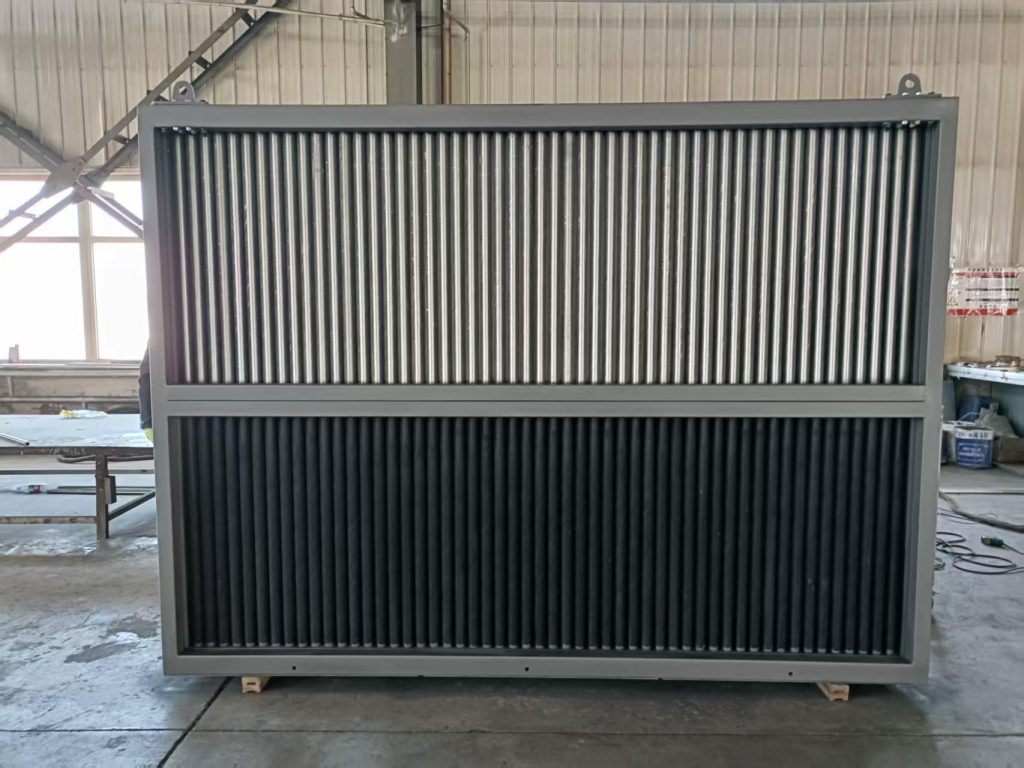
A heat pipe heat exchanger is a passive heat transfer device. A small amount of working fluid inside each heat pipe absorbs heat from the hot flue gas, evaporates, and travels toward the cooler end of the pipe. The condensed working fluid then returns to the evaporator through gravity or the internal wick structure, depending on the heat pipe design. The cycle repeats continuously without any pumps or other external energy input.
Heat pipe heat exchangers are especially ideal for natural gas boiler flue gas as they are highly efficient in transferring heat from reasonably clean, high temperature exhaust flows without mixing the hot and cold fluids. This design reduces pollution, simplifies maintenance and eases retrofitting compared to some traditional heat recovery technologies.
For boiler flue gas applications specifically, the advantages stack up quickly:
- High heat transfer efficiency: It quickly absorbs energy from hot flue gas with a little temperature difference between the two fluid sides.
- Low maintenance: The heat pipe has no pumps or rotating parts, resulting in considerably fewer parts to wear out or fail.
- Reduced cross-contamination: Flue gas never mixes with the clean air or water on the recovery side, protecting downstream equipment and fluid quality.
- Flexible installation: Works with new boiler installation and retrofits to existing systems, which helps to keep the scope of work reasonable.
- Reliable operation under demanding conditions: Provides reliable service under continuous industrial operating conditions. For applications involving condensate or corrosive exhaust components, appropriate heat pipe materials can be selected.
Where Can the Recovered Heat Be Used?
Capturing heat from the flue gas is only half the equation. The recovered energy requires a beneficial destination, and there are a number of good possibilities available depending on the type of facility and its operation schedule.
One of the most immediate applications is to preheat the combustion air. By heating the air that enters the burner, the burner requires less fuel, and this directly improves the combustion efficiency.
The principle behind boiler feedwater preheating is the same, the incoming water is heated so the boiler can reach steam conditions with less fuel input.
Except for the boiler itself, low grade recovered heat is suitable for many industrial operations requiring warm or hot water, rather than high pressure steam.
Surplus thermal energy can also be used to provide building heat or household hot water in facilities with space heating needs, making use of what would otherwise be vented.
| Recovered Heat Use | Typical Benefit | Common Industries |
| Combustion air preheating | Higher combustion efficiency | Manufacturing |
| Boiler feedwater heating | Lower fuel consumption | Power plants |
| Process water heating | Reuse low-grade heat | Food, chemical |
| Space heating | Reduced heating costs | Commercial & industrial buildings |
Real-World Heat Recovery Results
The following examples are based on DTDX project data and illustrate how heat pipe heat exchangers have helped industrial facilities recover waste heat and reduce energy costs. Actual savings depend on boiler capacity, operating hours, flue gas temperature and heat demand.
1. Industrial heat recovery
After installing a DTDX 4D medium and low temperature heat pipe heat exchanger, the industrial facility recovered its equipment investment in less than six months.
2. Automotive paint shop
A high-temperature flue gas waste heat recovery system was installed in the drying process to recover exhaust heat and supply it to the hot water system used in the pretreatment process, reducing natural gas consumption by approximately 20%.
What Should You Consider Before Installing a Heat Recovery System?
Boiler waste heat recovery is not a one size fits all upgrade. There are a few practical issues to consider while purchasing or sizing equipment.
- Flue gas temperature: Sufficient recoverable heat needs to remain in the exhaust after the boiler has done its job. Very low exhaust temperatures may not justify the capital cost.
- Fuel characteristics: The kind of fuel and design of the system influence the composition of flue gas and risk of condensation. Very low flue gas temperatures may cause water vapor to condense, producing acidic condensate that requires corrosion-resistant materials.
- Heat demand: The value of recovered energy is greatest when there is a constant use nearby. Matching supply with stable demand avoids wasted recovery capacity.
- Installation space: The heat exchanger unit must physically fit into the space in the exhaust ducting or stack area, thus check available clearance early.
- Maintenance accessibility: The unit shall be so located that periodic inspection and cleaning may be performed without undue system downtime.
Turning Flue Gas Heat Loss into Long-Term Energy Savings
Flue gas heat loss is a real and ongoing cost, but it is also a recoverable one. With the right equipment in place, the heat that currently exits through the stack can be redirected into useful work, lowering fuel bills, reducing CO₂ output, and improving natural gas boiler efficiency on a lasting basis.
DTDX designs and manufactures heat pipe heat exchangers built specifically for industrial heat recovery. If you are weighing your options, our engineering team can assess your system conditions and help identify the most practical approach for your facility. Reach out and let us know what you are working with.