

Industrial facilities generate much more energy than their end goods ever use. Furnaces cycle through huge amounts of heated exhaust. Compressors run all day and all night and put heat into the air. Cooling systems are used for the removal of thermal energy from processes and its rejection. For most of industrial history, this was simply accepted as the cost of doing business.
That thinking is changing. As industrial parks work toward carbon neutrality, waste heat recovery has become one of the most practical places to start. This article covers where waste heat comes from, which technologies are best suited to capture it, and what results look like when these systems are actually deployed.
Why Waste Heat Recovery Matters in a Zero-Carbon Industrial Park
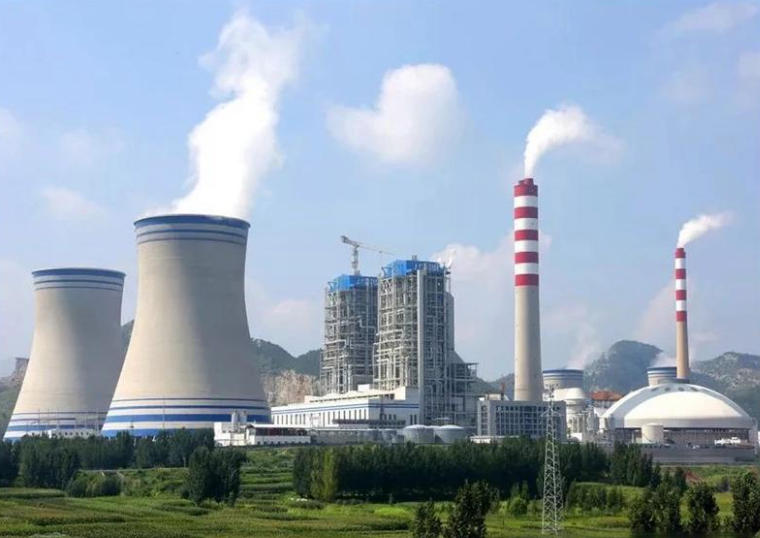
A significant share of industrial energy input never reaches the final product it was meant for. According to the U.S. Department of Energy, an estimated 20 to 50 percent of industrial energy input is lost as waste heat through hot exhaust gases, cooling water, and heat escaping from equipment surfaces and heated products. That energy is already being generated as part of everyday operations. The question is simply whether it gets put to use or released into the atmosphere.
For industrial parks that want to reach zero-carbon, capturing waste heat is frequently a faster route than adding new renewable energy. Solar panels or wind turbines demand significant fresh investment and long project schedules. Recovering heat that is already being produced requires less of both. When fuel consumption drops, carbon emissions drop alongside it, and the improvements tend to be immediate.
The longer term economic case is also evident. Facilities that capture and utilize waste heat minimize their dependence on purchased energy, making running costs more predictable. Better energy efficiency in industrial parks also improves how existing infrastructure performs, getting more output from systems already in place.
Where Does Industrial Waste Heat Come From
Waste heat is available from a variety of temperatures and processes. Grouping sources by temperature helps match them to the right recovery approach.
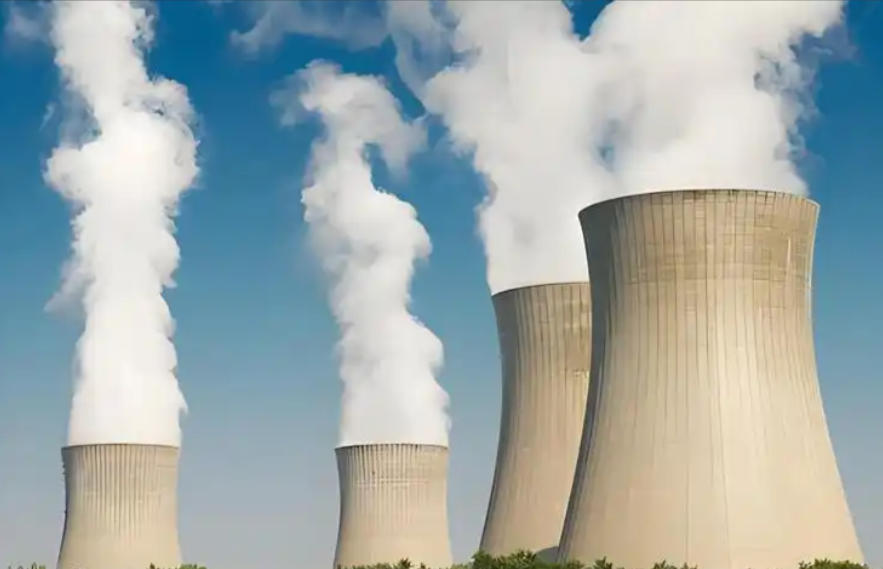
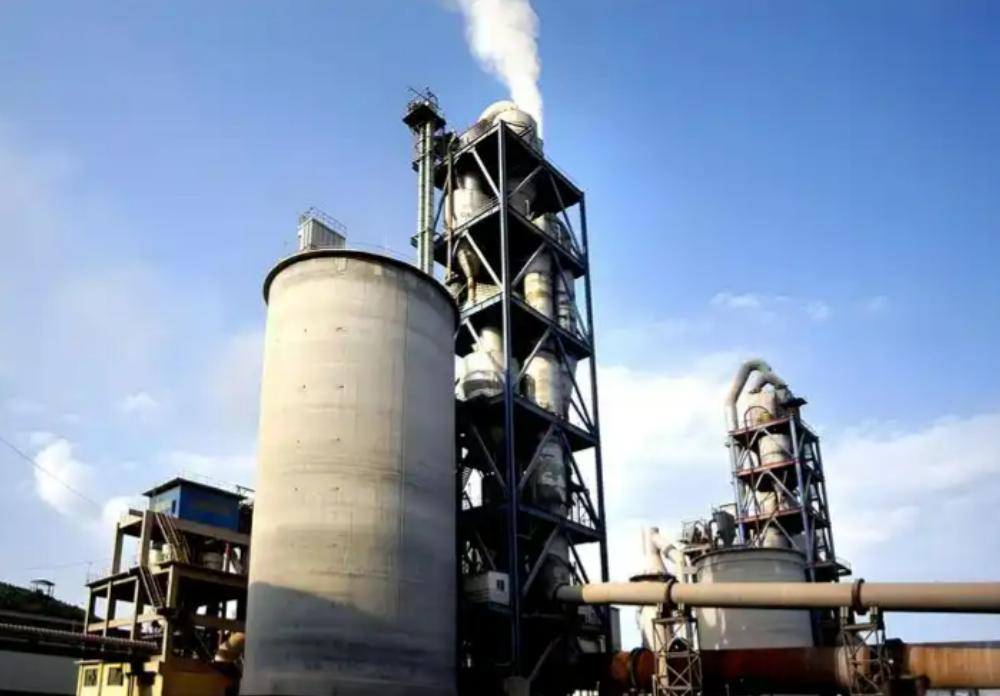
High temperature sources are generally above 400°C and include boiler flue gas, industrial furnaces, kilns and steel and metallurgical processes. These streams transport a significant amount of energy and can be used for direct heat recovery or power production.
Medium temperature sources include drying systems, chemical production, food processing, and textile manufacture, typically from 150 to 400°C. This heat is well suited for process heating applications or electricity generation through ORC systems.
Low temperature sources are usually below 150°C. Examples include cooling water, air compressors, refrigeration systems and HVAC exhaust. Individually, they are modest, but collectively they can be significant, especially when summed over a large industrial park for district heating or heat pump applications.
Waste Heat Recovery Technologies Worth Considering
There is no one size fits all technology. Here’s a practical overview of the main alternatives.
1. Heat Pipe Heat Exchangers
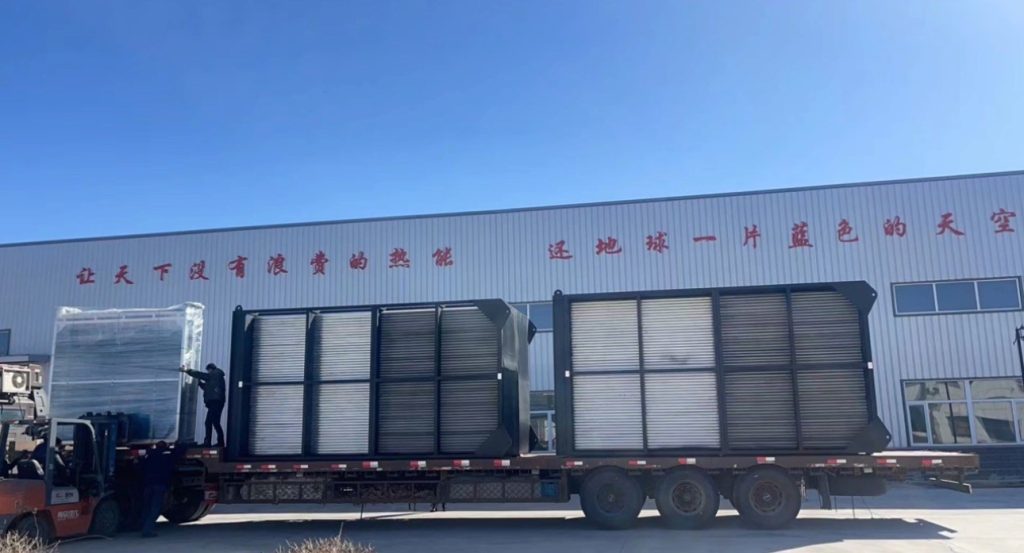
Heat pipe heat exchangers transfer heat passively without any external power input and without moving parts inside the heat transfer section. This contributes to high reliability in continuous industrial operation.
If the proper materials are used, they perform effectively on dusty, corrosive or high temperature exhaust streams. The maintenance requirements are really low. For industrial parks looking to retrofit existing ductwork, the compact, modular design also makes installation easier than many alternatives.
2. Regenerative and Recuperative Heat Exchangers
These systems recover heat by preheating incoming combustion air using outgoing exhaust. Recuperative exchangers are continuous, Regenerative heat exchangers temporarily store heat in a thermal matrix and alternately transfer it between exhaust gas and incoming combustion air.
Both are commonly utilized in furnaces and high temperature combustion processes. They are particularly efficient in high-temperature applications, although fouling and pressure drop should be monitored over time.
3. Organic Rankine Cycle (ORC) Systems
ORC systems use an organic working fluid with a boiling point lower than water to convert medium temperature waste heat to electricity. They are a sensible choice when it is more important to generate power than to reuse the heat. The payback period depends on the heat availability and the local energy pricing and a site specific assessment is necessary before making the investment.
4. Heat Pumps
Industrial heat pumps improve low-grade waste heat to temperatures really useful for process heating or space conditioning. In a park setting, they can take heat from compressor exhaust or cooling water and supply useful heat to neighboring buildings or other operations. They are useful if there is a lot of waste heat at low temperatures that cannot be used directly.
| Technology | Best Temperature Range | Typical Application | Key Advantages | Considerations |
| Heat pipe heat exchanger | Low to high temperature (design dependent) | Flue gas recovery, process exhaust, dryer exhaust | Passive, low maintenance, handles corrosive streams | Material selection for aggressive environments |
| Recuperative heat exchanger | 300°C-1,200°C | Furnaces, combustion air preheating | Simple, continuous operation | Pressure drop, fouling risk |
| Regenerative heat exchanger | 800°C-1,400°C | Glass, steel, ceramics industries | High efficiency at very high temperatures | More complex switching systems |
| ORC system | 100°C-350°C | Power generation from medium-grade heat | Converts waste heat to electricity | Higher upfront cost, site-specific assessment needed |
| Industrial heat pump | 30°C-100°C | District heating, process water | Upgrades low-grade heat for practical reuse | COP depends on source/sink temperature difference |
Why Heat Pipe Heat Exchangers Are Well Suited for Industrial Parks
In practice, heat pipe heat exchangers tend to perform consistently well across a range of industrial park scenarios. A few reasons stand out.
- Reliable operation with minimal energy input: No moving parts inside the heat transfer section means fewer failure points and stable long-term performance. In facilities where production runs continuously, this kind of reliability matters.
- Flexible installation in existing facilities: The compact design fits more readily into existing ductwork than bulkier options. This makes them a viable solution for retrofit projects where space and interruption need to be reduced.
- Handles challenging industrial conditions: Heat pipe heat exchangers can be built with the right materials and coatings to operate in harsh situations such as high temperature furnace exhaust or gas streams containing dust or mild corrosives.
Real Applications Across Industrial Parks
1. Data Center Waste Heat Recovery
Data centers are running 24/7 and generating vast quantities of low-grade heat from cooling servers. Rather than being lost to the atmosphere, this heat can be harnessed and enhanced for useful application in surrounding buildings, relieving stress on conventional district heating systems.
Real-World Case Study (Source: DTDX Internal Project Data):
A data center energy station recovered heat from two 15.25 MW cooling sources and upgraded it to 55°C hot water for nearby office buildings. Over one heating season, the project recovered approximately 5,000 GJ of heat, saved 217 tons of standard coal, and reduced CO₂ emissions by 620 tons.
2. Industrial Process Waste Heat Recovery
Chemical production and wastewater treatment both generate significant amounts of heat that typically goes unused. Recovering and redistributing this heat across a park can replace substantial quantities of purchased energy for building heating.
Real-World Case Study (Source: DTDX Internal Project Data):
One integrated waste heat system recovers approximately 27.5 MW of waste heat from chemical production, while also capturing residual heat from wastewater treatment. The recovered energy supplies heating for around 2.2 million square meters of buildings across multiple buildings within the industrial park, reducing annual coal consumption by 15,700 tons and CO₂ emissions by 111,000 tons.
3. Waste-to-Energy and District Heating Integration
Waste incineration plants provide a constant, large flow of heat since they operate 24 hours a day. The heat can be used instead of being discharged by linking it to neighboring industrial customers through a district network.
Real-World Case Study (Source: DTDX Internal Project Data):
Waste heat from the waste-to-energy plant is supplied to the nearby industries via a 5.9-km pipeline. The system generates around 60 tons of steam per hour, cuts 6,500 tons of standard coal and 5.4 million cubic meters of natural gas annually, decreases CO₂ emissions by 20,000 tons every year, and lowers the heating expenses of the participating companies by 15 to 20 percent.
How to Choose the Right Waste Heat Recovery Solution
The right system depends on the specifics of the site. A few factors that consistently influence the decision:
- Heat source characteristics: Temperature level, flow rate, and operating consistency all affect which technology is appropriate and how well it will perform.
- Match technology to heat quality: High-, medium-, and low-grade heat each have different recovery pathways, and trying to apply the wrong technology to a given source usually leads to disappointing results.
- Installation constraints: Available space, maintenance access, and retrofit feasibility often matter as much as theoretical performance.
- Long-term economics: Projected energy savings need to be weighed against maintenance costs and expected payback period, not just upfront equipment cost.
- Future flexibility: Where possible, selecting systems that can adapt to changes in production volume or process configuration reduces long-term risk.
Turning Waste Heat into a Long-Term Advantage
Industrial waste heat recovery is one of the most actionable steps an industrial park can take toward genuine carbon reduction. The technology is proven, the economics are sound, and the results across different sectors consistently show meaningful reductions in both fuel consumption and emissions.
DTDX has spent over 18 years developing and supplying heat pipe heat exchangers and waste heat recovery systems for industrial and commercial applications. If you are evaluating options for your facility or industrial park, we are happy to share what we have seen work in practice. Contact us to discuss your project.