

One of the largest and most enduring energy costs in underground mining, particularly for operations in cold areas, is heating ventilation air. The challenge is straightforward: the new outside air has to be heated before it enters the mine, and the warm used air that comes out the other end is just blown into the environment. That outgoing thermal energy is real money walking out the door every day.
Mine ventilation waste heat recovery changes that equation. Mines are capable of absorbing heat from exhaust air and transferring it to incoming fresh air, thus reducing the amount of energy needed to condition ventilation air throughout the year.
This article discusses how the process works, why heat pipe technology is suitable for mining conditions, where recovered heat may be used and how to judge whether the investment makes sense for your company.
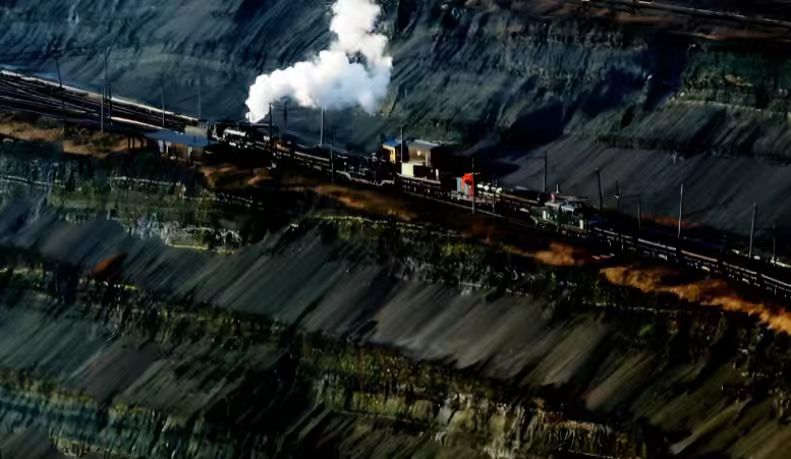
What Makes Mine Ventilation Exhaust Air a Reliable Heat Source
Rock temperatures underground don’t vary much from season to season, since the earth itself is a huge thermal buffer. This means that mine exhaust air is generally within a rather narrow temperature range even under severe surface conditions, and hence is a reliable source for heat recovery.
There are a few things to know about this heat source:
- What mine exhaust air actually is: This is the air that has passed through the underground workings, picking up heat from machinery, the rock mass and human activity, before being sucked out by exhaust shafts.
- Why heat is available year-round: Rock temperatures change relatively slowly, thus there is always thermal energy to tap, even in summer. That said, the value is greatest in winter when the difference between cold external intake air and warm exhaust air is greatest.
- Why this is not a high-temperature source: Mine exhaust air temperatures are generally modest, limiting some applications. However, stability and consistency are what matter most when the goal is preheating large volumes of intake air reliably, month after month.
How Does Mine Ventilation Waste Heat Recovery Actually Work
The basic technique is simple and, once built, operates automatically in conjunction with the current mine ventilation system.
Step 1: Warm exhaust air leaves the mine
Ventilation systems constantly pull air through the subsurface workings and vent it to the surface. The air is then passed via a heat recovery unit at or near the exhaust point, instead of being vented directly outside.
Step 2: Heat transfers to fresh intake air
Thermal energy is transferred from the hot exhaust stream through the surface of the heat exchanger and into the cold incoming air inside the heat recovery unit. The two air streams never mingle thus the fresh intake air is remains clean.
Step 3: Less heating is needed downstream
Because intake air has already been partially warmed, boilers or electric heaters have a smaller temperature rise to achieve. This directly reduces fuel or electricity consumption on every operating day.
Step 4: Recovery continues automatically
No additional operator procedures are required. As long as the mine ventilation system operates, heat recovery happens in parallel.
Why Heat Pipe Technology Works Well in Mine Ventilation Systems
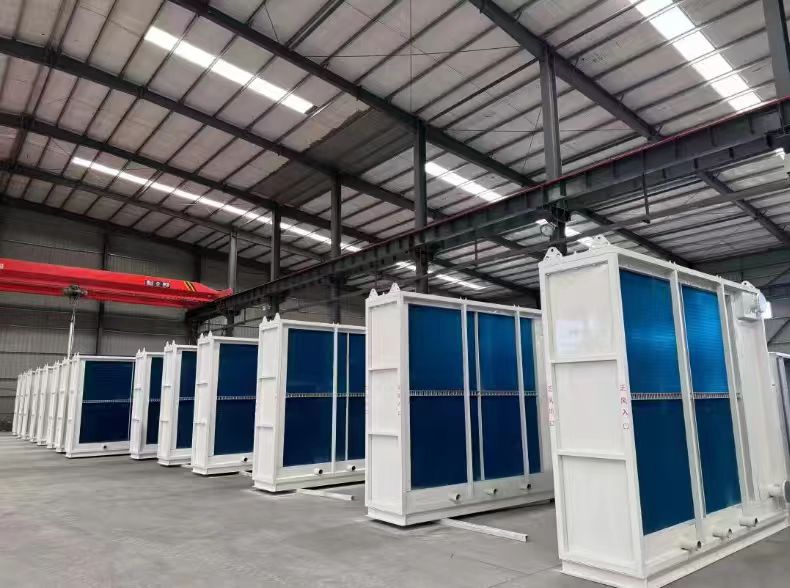
When evaluating waste heat recovery system options for mine ventilation, heat pipe heat exchangers offer several practical advantages that align well with the demands of a mining environment.
Passive heat transfer without extra energy. Heat pipes are devices that transport heat energy through continual evaporation and condensation in a sealed tube. There are no circulating pumps or external power connections between the two air streams, therefore both energy consumption and complexity are low.
Completely separated airflows. Intake and exhaust air remain fully isolated throughout the process. This prevents dust, moisture, and any contaminants present in mine exhaust from reaching the fresh air supply, which matters for both air quality and equipment protection.
Reliable in cold mining environments. Heat pipe heat exchangers are generally less susceptible to frost-related problems than many conventional air-to-air heat exchangers, helping maintain reliable performance in cold mining environments when properly designed.
Suitable for large ventilation systems. Mining operations move very high volumes of air. Industrial air to air heat exchangers based on heat pipe technology are designed for exactly these large-scale, high-airflow applications and typically impose relatively low pressure loss on the ventilation circuit.
Lower maintenance requirements. With few moving parts, heat pipe systems have less to service over their operating life. For operations running continuously in remote locations, reduced maintenance is a meaningful advantage.
Where Can Recovered Mine Waste Heat Be Used
While winter ventilation air preheating usually delivers the largest energy savings, many mines can also utilize recovered heat throughout the year for domestic hot water, building heating, or selected process heating applications where continuous low-grade heat demand exists. The actual year-round benefit depends on site-specific heat demand and climate conditions.
Preheating ventilation intake air is the most common and highest-value application, since it directly offsets one of the mine’s largest energy costs. However, recovered thermal energy can support other areas across a mine site as well.
| Application | Energy Saving Potential | Primary Benefit |
| Intake Air Preheating | High | Lower winter heating costs |
| Workshop & Maintenance Buildings | Medium-High | Reduced boiler load |
| Office & Welfare Facilities | Medium | Improved site energy efficiency |
| Domestic Hot Water Production | Medium | Lower fuel consumption |
| Other Process Heating | Project Dependent | Better overall energy utilization |
Mine ventilation systems run 24/7, thus the heat recovered from exhaust air can be used for these purposes for much of the year, not just during the winter months. A professionally designed mine ventilation heat exchanger can supply recovered heat to multiple end uses and increase total return on the investment.
Is Mine Ventilation Waste Heat Recovery Worth the Investment
The answer depends on operational conditions, but miners with continuous ventilation and high heating demand tend to find the economics attractive in the long term. The return is due to a number of factors:
- Large airflow creates greater savings: Higher ventilation volumes mean more recoverable heat per hour. Sites moving large amounts of air naturally capture more energy on an annual basis.
- Cold climates usually deliver faster payback: Mines located in colder climates generally achieve larger heating energy savings because incoming air requires greater temperature increases. As a result, waste heat recovery often delivers shorter payback periods than in milder regions.
- Long operating hours improve ROI: A system running year-round accumulates far more recovered energy than one operating seasonally. Continuous ventilation is a significant asset in any investment calculation.
- Low operating and maintenance costs: Passive heat pipe systems require little supplemental energy to operate and their simple design usually results in long maintenance intervals. And over decades of system lifetime, this adds up.
- Sustainability and emissions benefits: Using less fuel equals reduced carbon emissions, which is increasingly vital for mining businesses dealing with regulatory constraints and corporate sustainability goals.
The strongest justification for mine waste heat recovery is usually found in mines with cold environment, continuous ventilation and significant heating demand. Payback timeframes vary with the project, but the fuel savings and low running expenses make this a good long-term investment for many operations.
How to Choose the Right Heat Recovery Solution for Your Mine
It starts with analyzing the details of your site to choose the correct technique. Some practical points to note:
Start with your local climate and seasonal temperature patterns, since the heating load you need to offset determines how much value the recovery system can actually deliver.
Then evaluate your ventilation airflow volumes, typical exhaust air temperatures, and annual operating hours, since these figures feed directly into any energy savings projection. Look for equipment specifically designed for mine ventilation environments rather than general industrial use, because the dust loads, humidity levels, and temperature extremes in mine ventilation are more demanding than many standard applications.
Finally, consider the full lifecycle cost rather than just the purchase price. A system with low maintenance requirements and a long service life can offer better value than a cheaper upfront option that demands frequent servicing underground.
If your site involves large, continuous airflow and operates in a cold region, a heat pipe heat exchanger built for mine ventilation is worth serious evaluation. Passive operation, separated air streams, and minimal maintenance requirements make it well-suited to the realities of mining site conditions.
Turning Exhaust Air Into Long-Term Energy Savings
Mine ventilation systems exhaust a continuous stream of thermal energy that most operations simply release into the atmosphere. Recovering even a portion of that energy can meaningfully reduce fuel consumption, lower heating costs, and improve overall site efficiency across the year.
At DTDX, we design and manufacture heat pipe heat exchangers for industrial applications. If you are working out how to reduce energy costs in mining at your site, we are happy to discuss your project conditions, review the relevant parameters, and help you understand what recovery potential may be available. Contact us to get started.