

Every day, buildings and industrial facilities lose tremendous amounts of heat with the exhaust air and process gases. That heat just goes out into the atmosphere and the energy expenditures to replenish it just keep rising up. For engineers and facility managers who want to recover that energy without adding bulk or complexity to the system, the microchannel heat pipe heat exchanger has become an increasingly feasible alternative.
This guide describes what a microchannel heat pipe heat exchanger is, and how it works, step by step. It also describes where they are typically used, and some of the considerations that go into selecting the correct design. If you are considering choices for a new HVAC project or retrofitting an existing system, the information below should help you make a better informed decision.
What Is a Microchannel Heat Pipe Heat Exchanger?
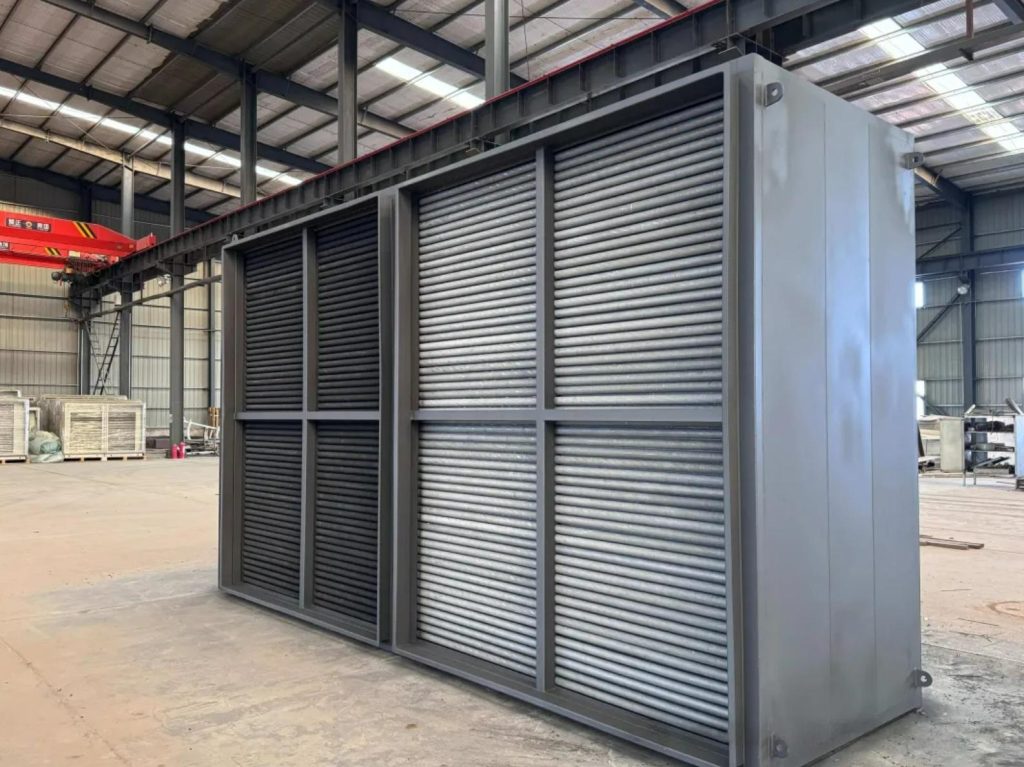
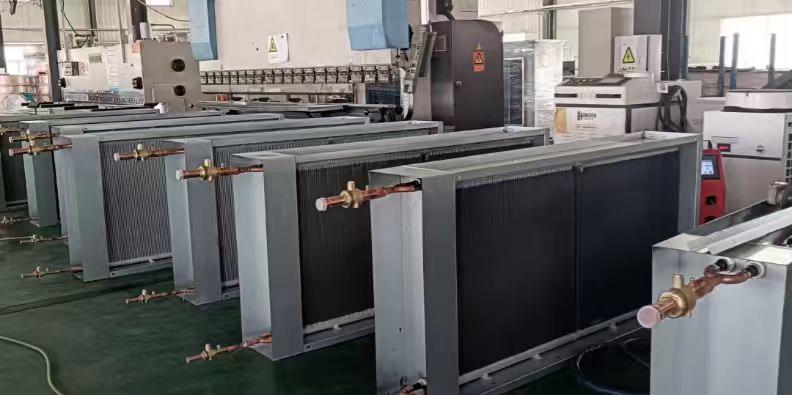
A microchannel heat pipe heat exchanger is a compact heat recovery device that combines heat pipe technology with a high-density channel design to transfer heat efficiently between two separate air or fluid streams. The two streams remain completely isolated, while heat is transferred passively through the heat pipes without requiring external power for the heat transfer process.
Key design features:
- High-Density Channel Design: Compact flow passages increase the available heat transfer area while maintaining a compact overall structure, allowing more efficient heat transfer within limited installation space.
- Heat pipe heat transfer: Each heat pipe utilizes the evaporation and condensation of a working fluid to transport heat from one end to the other. The process of changing phase is very efficient and does not require a pump or any mechanical parts.
- Working fluid: The working fluid selection depends on the projected operating temperature range and the application. Popular options are water , acetone , and certain refrigerants .
- Complete air stream separation: The two air streams (usually supply and exhaust) never mix. The heat flows via the pipes . This physically separates the streams.
How Is It Different from a Conventional Heat Pipe Heat Exchanger?
The basic functioning mechanism is similar: Both types use heat pipes and phase change to transport heat. The biggest difference is in the channel geometry, and what that entails for performance and size.
Conventional designs generally have lower heat transfer surface density, while microchannel-based designs achieve higher heat transfer density within a similar footprint. By contrast, microchannel designs can pack far more heat transfer surface in the same equipment volume. The increased ratio of surface area to volume enables the unit to transfer more heat without expanding the unit’s physical footprint, which is a big thing in space-limited installations.
Another point of distinction is the resistance to the airflow. Microchannel units are designed to provide high heat transfer density at a reasonable pressure drop, but actual performance is a function of channel shape, airflow rate and system design.
Here is a quick comparison:
| Feature | Conventional Heat Pipe Heat Exchanger | Microchannel Heat Pipe Heat Exchanger |
| Flow channel size | Larger | Microchannels |
| Heat transfer density | High | Higher within a compact space |
| Equipment size | Larger | More compact |
| Typical applications | General HVAC & industry | Compact HVAC, electronics, industrial heat recovery |
How Does a Microchannel Heat Pipe Heat Exchanger Work?
The operational cycle is simple and continuous in operation and requires no external energy input to drive the heat transfer itself.
Step 1: Heat is absorbed
Warm exhaust air flows across the evaporator part of the heat pipes. Within, the working fluid takes in the heat and becomes vaporized, or changes from liquid to vapor.
Step 2: Heat moves through the heat pipe
The vapor travels toward the cooler condenser section due to the temperature and pressure difference inside the heat pipe. This movement is a passive one, caused by the differential in temperature and pressure between the two ends of the pipe.
Step 3: Heat is released
At the condenser portion the vapor gives up its heat to the cooler incoming air stream and condenses back into liquid. The liquid then flows back to the evaporator end by gravity or capillary attraction and the cycle continues.
Why Choose a Microchannel Heat Pipe Heat Exchanger?
This form of heat exchanger provides a mix of benefits that are hard to match by conventional options for applications where both efficiency and footprint are important.
- Higher heat transfer efficiency: The microchannel design enables faster heat exchange within a smaller cross-sectional area. This is particularly useful in installations where available space is limited but recovery targets remain high.
- Compact equipment design: A smaller physical footprint makes system integration easier, both in new builds and in retrofit scenarios where existing infrastructure constrains the available space.
- Lower maintenance: With no moving parts involved in the heat transfer process itself, there is very little to wear out or require regular servicing. That means lower maintenance expenses in the long run and fewer unscheduled shutdowns.
- Flexible system integration: The small form factor makes these units suitable for a broad range of system configurations, including modular and custom.
Where Are Microchannel Heat Pipe Heat Exchangers Used?
The combination of compact size, passive operation, and stream separation makes this technology applicable across a surprisingly wide range of industries.
1. HVAC Energy Recovery
In commercial and residential ventilation systems, microchannel heat exchangers recover heat from exhaust air and pre-condition incoming fresh air, reducing the load on heating and cooling equipment.
2. Industrial Waste Heat Recovery
Drying ovens, kilns, and process exhausts all generate heat that would otherwise be lost. Microchannel units can capture and redirect that heat to reduce fuel or electricity consumption.
3. Electronics and Power Equipment Cooling
In high-density electronics enclosures and power conversion equipment, stable temperature control is critical. The passive operation and compact size of microchannel heat pipes make them a practical cooling solution.
4. Clean Process Industries
Pharmaceutical manufacturing, food processing, and similar industries often require that supply and process air streams never come into contact. The complete separation provided by heat pipe technology meets this requirement naturally.
| Application | Primary Heat Source | Main Benefit |
| HVAC ventilation | Exhaust air | Energy recovery |
| Industrial drying | Hot exhaust gas | Lower operating cost |
| Electronics cooling | Equipment heat | Stable temperature control |
| Pharmaceutical HVAC | Process exhaust | Clean, separated heat transfer |
| Data centers | Return air | Improved cooling efficiency |
Choosing the Right Design Is Key to Long-Term Performance
Even the best heat exchanger cannot operate at optimal efficiency if the system design is not in accordance with the operating conditions. Temperature, airflow, pressure drop and material selection all affect long term efficiency and reliability.
The temperature of the heat source and the airflow will determine how much energy can actually be recovered and which heat pipe layout will perform best. You can build the best unit in the world, but if it’s not in the right temperature range, it’s not going to work well.
Pressure drop is important because it affects fan selection and the overall system energy balance. Microchannel designs must be engineered with the particular airflow rates in mind so as to keep resistance within acceptable limits.
The choice of working fluid is intimately related to the operating temperature. Incorrect fluid results in either insufficient evaporation or condensation and greatly decreases efficiency.
If the air or fluid streams contain corrosive materials, moisture, or chemical pollutants, material compatibility is critical. Different environments affect the strengths of aluminum, copper and stainless steel.
Consider environmental conditions from the outset, including humidity, range of ambient temperature, exposure to dust or chemicals, to avoid premature degradation.
Ultimately, it is the manufacturing quality that ensures the design performs as designed. Consistent wall thickness, correct sealing and controlled working fluid charge determine real world production.
That’s where working with a manufacturer who has hands-on knowledge in a wide range of operating situations may make a difference. Experienced engineers can tailor the design to your exact temperature range, airflow profile and installation limits, instead of just picking a typical catalog product and hope it will do the job. The result is greater efficiency and a longer service life.
Better Heat Recovery Starts with the Right Application
Microchannel heat pipe heat exchangers provide an efficient, passive, and low-maintenance solution for waste heat recovery. But the technology only achieves its full worth when the design is precisely matched to the application.
DTDX specializes in custom heat pipe heat exchanger solutions, with engineering support to help you identify the right design for your operating conditions. Contact us to discuss your project requirements.