

Many industrial and commercial processes generate heat at temperatures below 120°C. Boiler flue gases, exhaust air from ventilation systems, cooling water from compressors, and drying exhausts from ovens are common examples of low-temperature waste heat. For this guide, we use roughly 120°C as a practical upper range rather than a strict definition.
That’s often a mistake. The financial logic of recovering low grade waste heat is not so much a question of the temperature itself but rather the behaviour of the heat source, what you want to do with the recovered energy and how a system would fit into your existing setup. In this guide, we’ll run over those aspects so you can make a more informed assessment.
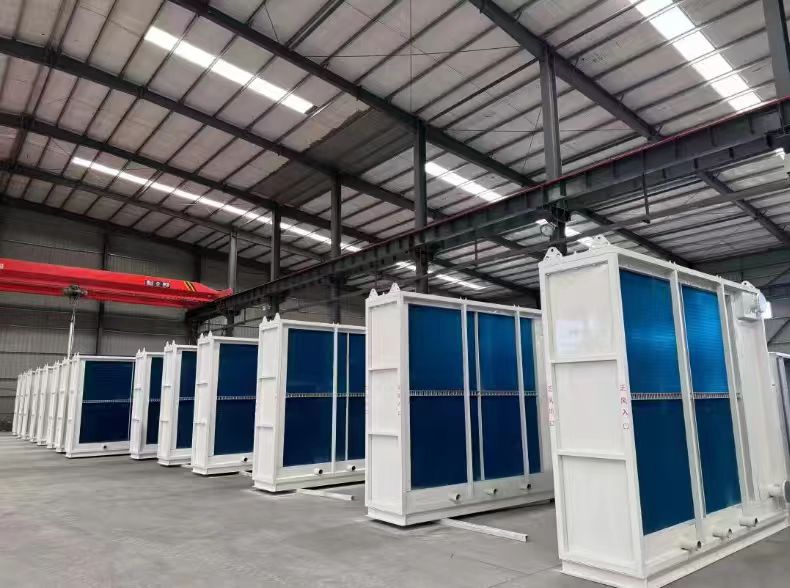
When Low-Temperature Heat Is Still Useful
By “low temperature” in this case, we mean generally exhaust streams or process heat below roughly 120°C. Low grade heat represents a large proportion of total industrial heat losses, but is the least likely to be recovered.
That difference is mainly because the technological requirements are different from those for high-temperature applications. The challenge is often finding a useful application that can accept the available temperature level and maintaining enough temperature difference for effective heat transfer. But that doesn’t mean the heat is wasted.
While a stream of 60°C exhaust air may not be an efficient way to create power, it may definitely be used to preheat incoming fresh air, to provide room heating, or to hold a process temperature without using purchased energy.
The real question is not just “how hot is it?” but “is there somewhere useful for this heat to go?”
Four Things That Make Waste Heat Recovery More Practical
Based on projects across hospitals, food processing plants, and industrial facilities, the recovery opportunities that actually work tend to share a handful of characteristics:
- Long operating hours: A heat source that runs continuously gives a recovery system far more time to accumulate savings than one that runs for only a few hours a day. The energy savings can become significant when a system operates for 6,000 hours or more a year.
- A nearby heat demand: The closer the heat demand is to the heat release point, the less you lose in distribution and the easier it is to install. The ideal application of low temperature waste heat recovery is when supply and demand are in close proximity.
- Heat that can replace purchased energy: If the recovered heat offsets natural gas, electricity, or district heat, the savings are real and calculable. If the facility already has surplus heat from other sources, adding another recovery loop may not reduce the energy bill at all.
- A system that fits without major disruption: Retrofits that work within existing ductwork or pipe runs are far more cost-effective than those requiring significant structural modification.
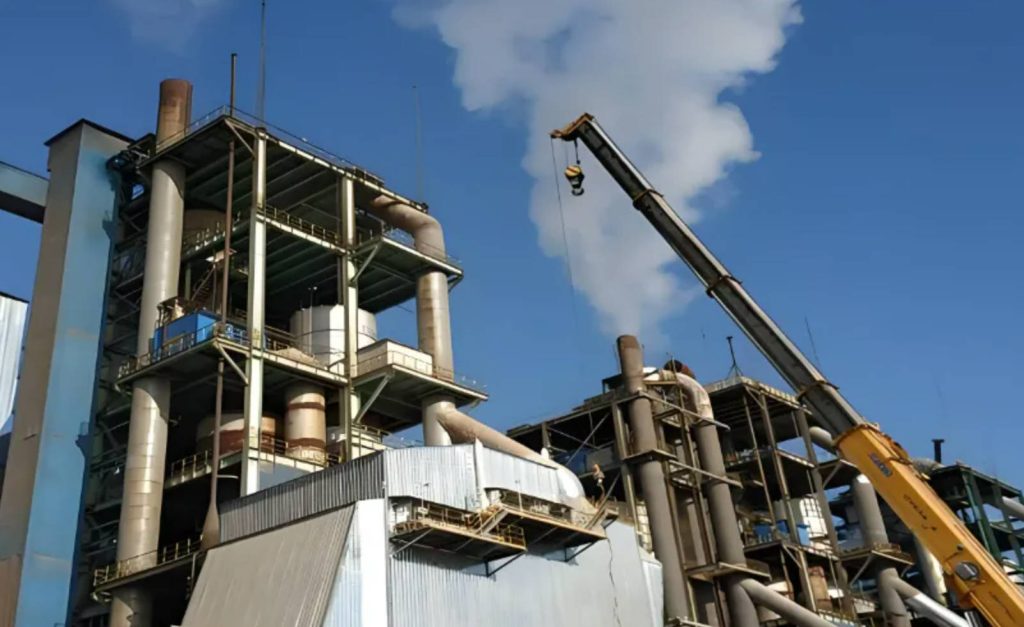
Look at the Costs as Well as the Heat
High waste heat recovery efficiency numbers in a product specification sheet do not automatically mean a project will pay off. What matters is how much useful heat can actually be recovered and put to work, multiplied by how many hours the system runs per year and how valuable that energy is. A simple economic check should consider:
A rough way to frame it: Annual energy savings ≈ Useful recovered heat rate (kW) × Operating hours (h/year) × Energy value per kWh
Not every unit of energy in an exhaust stream ends up doing productive work. Duct leakage, periods of no matching demand, and exchanger losses all reduce the real yield below the theoretical maximum. That is why looking at the useful output, rather than the raw source capacity, gives a more honest estimate.
| Project Factor | More Favorable | Needs More Care |
| Heat source | Stable and continuous | Highly intermittent |
| Heat demand | Nearby and consistent | Seasonal or uncertain |
| Temperature | Enough temperature difference | Very small temperature difference |
| Installation | Simple retrofit | Major process modification |
| Energy price | Higher replacement energy cost | Low-cost available energy |
When a Heat Pipe Heat Exchanger Fits the Job
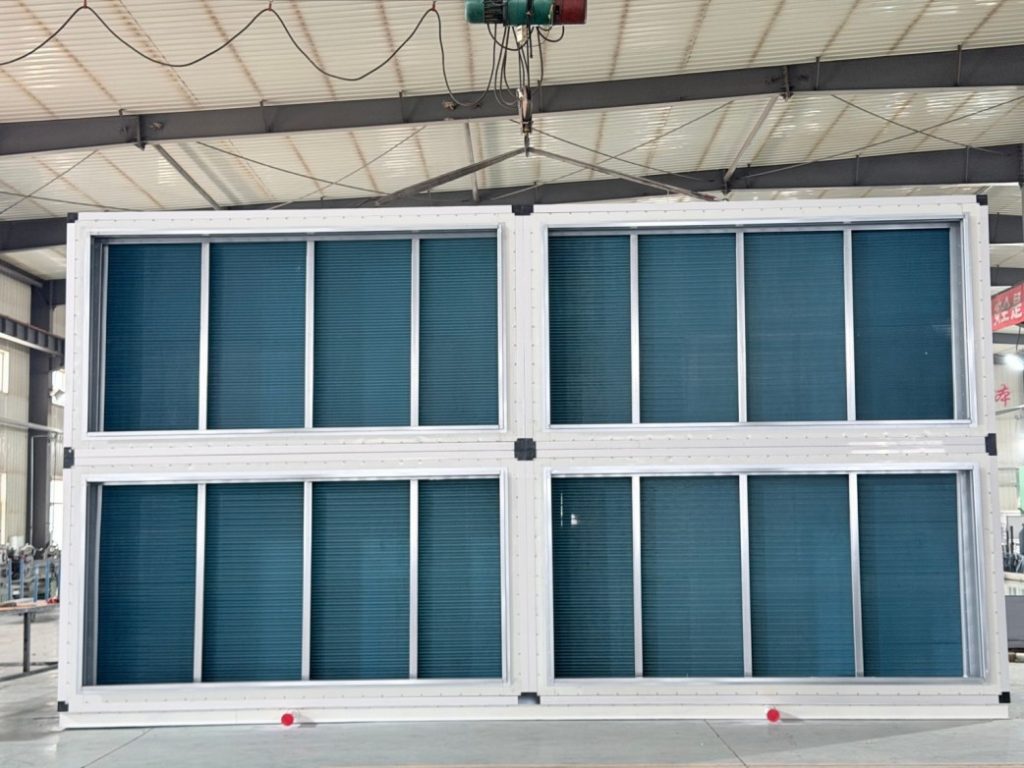
A heat pipe heat exchanger is particularly well-suited to low temperature waste heat situations where cross-contamination between airstreams must be avoided, where a passive heat-transfer device with no moving parts is preferred, and where available installation space is limited.
In practice, this covers exhaust-to-supply air heat recovery in ventilation systems, flue gas heat recovery from boilers and industrial ovens, and process air preheating in pharmaceutical or food manufacturing. Because the hot and cold airstreams remain physically separated, a properly designed heat pipe heat exchanger prevents direct mixing between exhaust and supply air.
Start With a Heat Source You Can Actually Use
A common reason low temperature waste heat recovery projects underperform is a mismatch between the heat available and the heat that can actually be used. Before sizing any system, it pays to map out the operating schedule of the source, the location and timing of the demand, and the type of purchased energy you are currently using to meet that demand.
If those factors line up, the investment case tends to be clear. If they do not, even a well-designed heat pipe heat exchanger will not make the numbers work. DTDX has been designing and manufacturing heat pipe systems for low temperature applications since 2008. If you have a heat source you are not sure about, contact us for a realistic assessment.