

Recovering heat from exhaust air isn’t always simple. In many real-world facilities, the exhaust stream isn’t just warm — it’s loaded with moisture. That changes the picture considerably. Wet air is not the same as dry air and not every heat recovery system is designed to work reliably with it.
In this article, we will discuss why humid exhaust air is a peculiar instance, how heat pipe heat exchangers transfer heat from humid exhaust air, and why heat pipe heat exchangers tend to perform well in humid exhaust conditions.
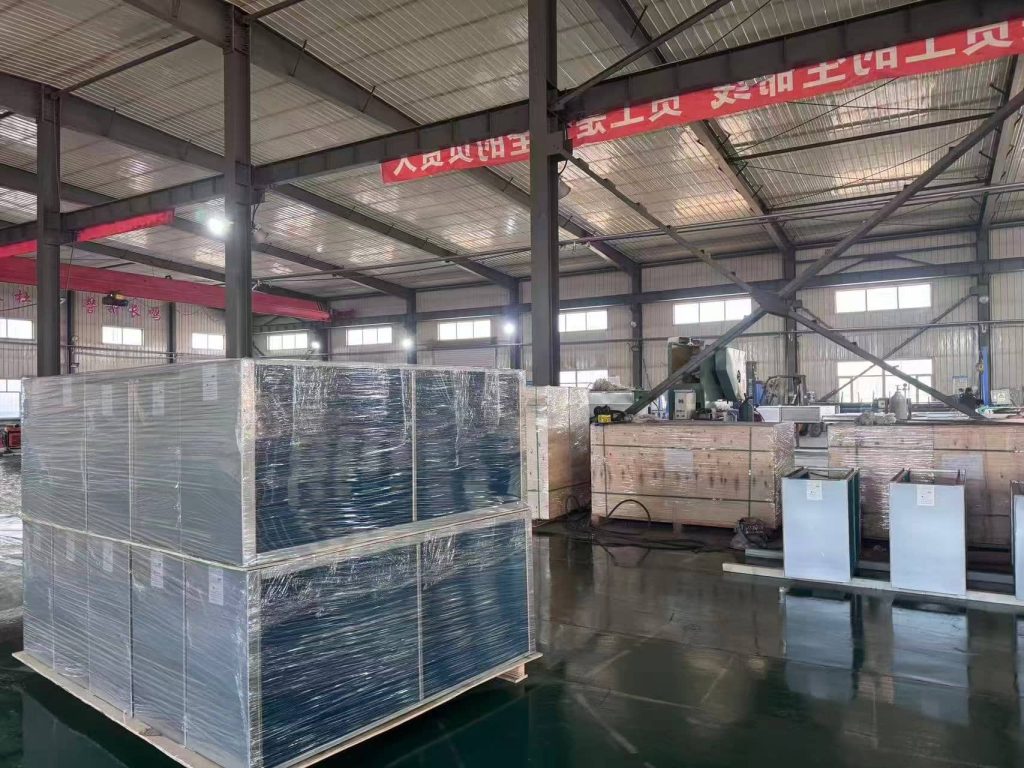
What Makes Humid Exhaust Air Different?
Humid exhaust air carries energy in two forms: sensible heat, which is the temperature you can measure with a thermometer, and latent heat, which is the energy stored in water vapor.
Latent heat recovery occurs when the evaporator surface temperature falls below the exhaust air dew point, allowing moisture to condense on the surface. This can create an additional heat recovery opportunity because condensation releases latent heat that would not be captured through sensible heat recovery alone.
The downside to wetness is that it also puts extra stress on equipment. Wet surfaces corrode faster, fins can develop mineral scale and in some places biological development might be a hazard Any system used for heat recovery from humid exhaust air needs to manage both sides of that equation.
How Heat Pipe Heat Exchangers Recover Heat from Humid Exhaust Air
Heat pipes are sealed tubes with a tiny amount of working fluid within. There are no moving parts, and the fluid inside the tube evaporates and condenses to transfer heat. In a heat pipe heat exchanger, banks of these pipes bridge two separate air streams: one side in the exhaust, the other in the incoming fresh air.
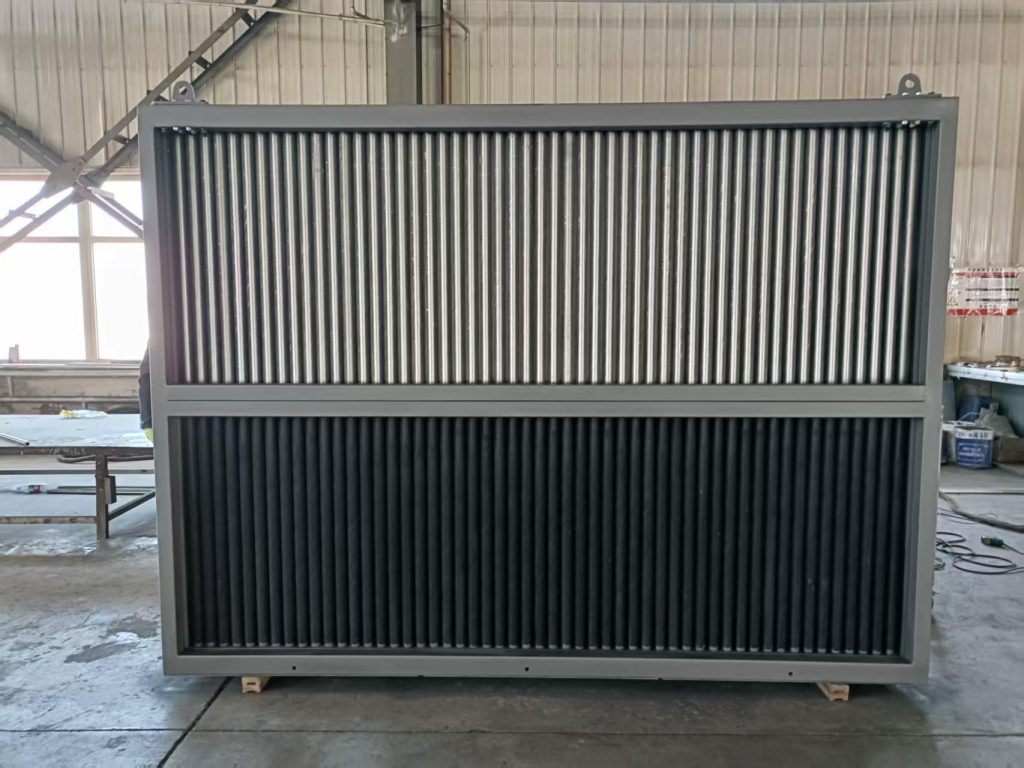
The process follows three steps:
Step 1: Heat is absorbed from the humid exhaust air. Each pipe has the evaporator end in the warm, moist exhaust stream. The working fluid absorbs heat from the pipe wall as the warm, humid exhaust air passes over the evaporator section. If the pipe surface is below the exhaust air’s dew point, moisture condenses on the surface and releases latent heat, which can then be transferred into the heat pipe.
Step 2: Vapor carries the heat through the sealed heat pipe. The temperature difference between the evaporator and condenser creates a vapor pressure difference that drives the vapor toward the colder condenser end. The whole thing is passive.
Step 3: Heat is released to the incoming air. The vapour at the condenser end gives up its heat to the new supply air and changes back to a liquid to begin the cycle again.
This phase change mechanism is the reason why heat pipes are so efficient in transferring heat even if the temperature difference between the two air streams is moderate.
Why Heat Pipes Work Well with Humid Exhaust Air
There are several design features which make the heat pipe heat exchangers a feasible solution for humid air heat recovery:
- Effective heat recovery from moist air: Condensation on the evaporator surface transfers latent heat directly to the pipe. This means that the system captures more than just the sensible heat in the exhaust, thereby enhancing the overall recovery efficiency.
- No direct mixing between air streams: The exhaust and supply sides are fully separated by the pipe wall. The exhaust and supply air streams remain physically separated by the heat pipe walls, so there is no direct air-to-air mixing between the two streams. This matters a great deal in food processing or healthcare environments.
- Materials and surface treatments: Depending on what the exhaust contains, pipes can be made from stainless steel or aluminum with hydrophilic coatings or anti-corrosion treatments. Matching the material to the exhaust environment is what keeps units running for years rather than degrading quickly.
- Low maintenance requirements: With no moving parts and a sealed fluid system, there’s little that can fail mechanically. Keeping the fin surfaces clean is usually the main ongoing task.
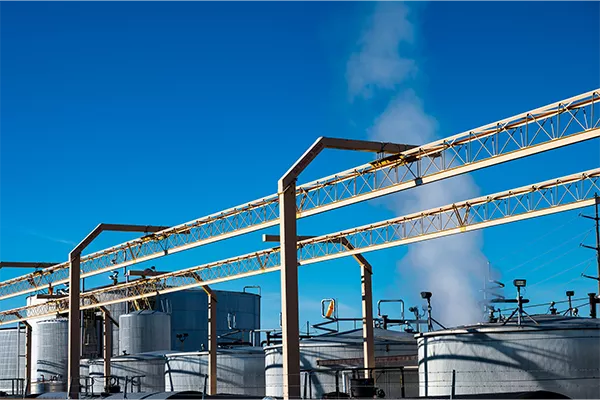
Where Heat Recovery from Humid Exhaust Air Is Used
- Industrial drying systems: Dryers for food, agricultural products, or paper push out large volumes of consistently warm, moist air. The continuous and predictable nature of the exhaust makes heat recovery straightforward to size and implement.
- Food and beverage processing: Cooking, washing, and sterilization all generate humid exhaust. The strict hygiene requirements of these facilities make the physical separation of air streams a practical necessity, not just a nice feature.
- Textile and coating operations: These processes can produce large volumes of warm exhaust containing moisture or trace solvents. Heat recovery can reduce the heating demand of incoming air, but the exhaust composition and material compatibility should be checked when selecting the heat exchanger.
- Commercial and institutional ventilation: Swimming pools and indoor sports facilities deal with warm, moisture-laden air year round. Industrial heat recovery here offsets a constant and significant ventilation energy cost.
Exhaust air heat recovery applies across a wider range of industries than many people expect. The table below outlines some common scenarios:
| Application | Exhaust Characteristics | Recovery Objective |
| Food drying | Warm, high-humidity exhaust | Preheat incoming air |
| Textile processing | Warm, moist, continuous exhaust | Reduce heating demand |
| Coating lines | Warm process exhaust, potentially with solvent vapors | Recover heat for incoming air |
| Swimming pools | Warm, moisture-laden ventilation air | Reduce ventilation heating load |
What to Consider When Recovering Heat from Humid Exhaust
1. Look at moisture as well as temperature
Temperature alone doesn’t tell you how much energy is available to recover. Knowing the exhaust temperature, humidity, and dew point helps determine whether condensation is likely and how much latent heat may be available. Airflow rate and heat exchanger performance must also be considered when estimating the actual heat recovery.
2. Consider what is in the exhaust
Grease, fine dust, acidic vapors, or solvent-containing exhaust can increase the risk of fouling, corrosion, or other operating problems. Material selection, fin spacing, surface treatment, and applicable safety requirements should therefore be considered before choosing the heat exchanger.
3. Choose a heat exchanger that fits the application
Standard units may not match the airflow rates, duct dimensions, or temperature range of a specific installation. A properly sized and configured unit delivers the expected recovery performance; an undersized or mismatched one won’t.
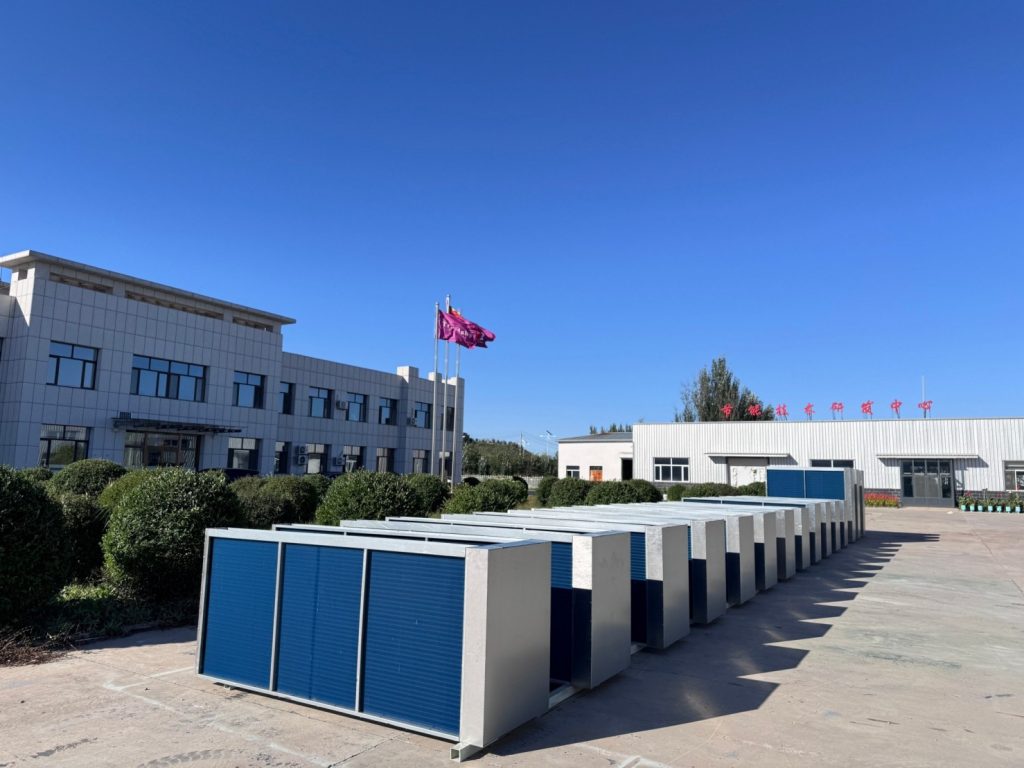
Making Better Use of Heat in Humid Exhaust Air
Humid exhaust air is usually regarded as a problem to be solved and not as a resource to be used. That warm, wet air leaving a dryer, pool hall or processing line provides recoverable energy if the correct equipment is in place, which can cut heating loads and reduce operational costs over time.
DTDX heat pipe heat exchangers can be considered for applications such as industrial drying, food processing, healthcare, and commercial ventilation. If you’re working through a humid exhaust application and want a practical assessment of what heat pipe heat exchangers can do in your specific situation, feel free to reach out to our team.